The Simple Method to Teach Your Dog to Stay!
TL;DR
Learn how to teach your dog the stay command effectively.
Transcript
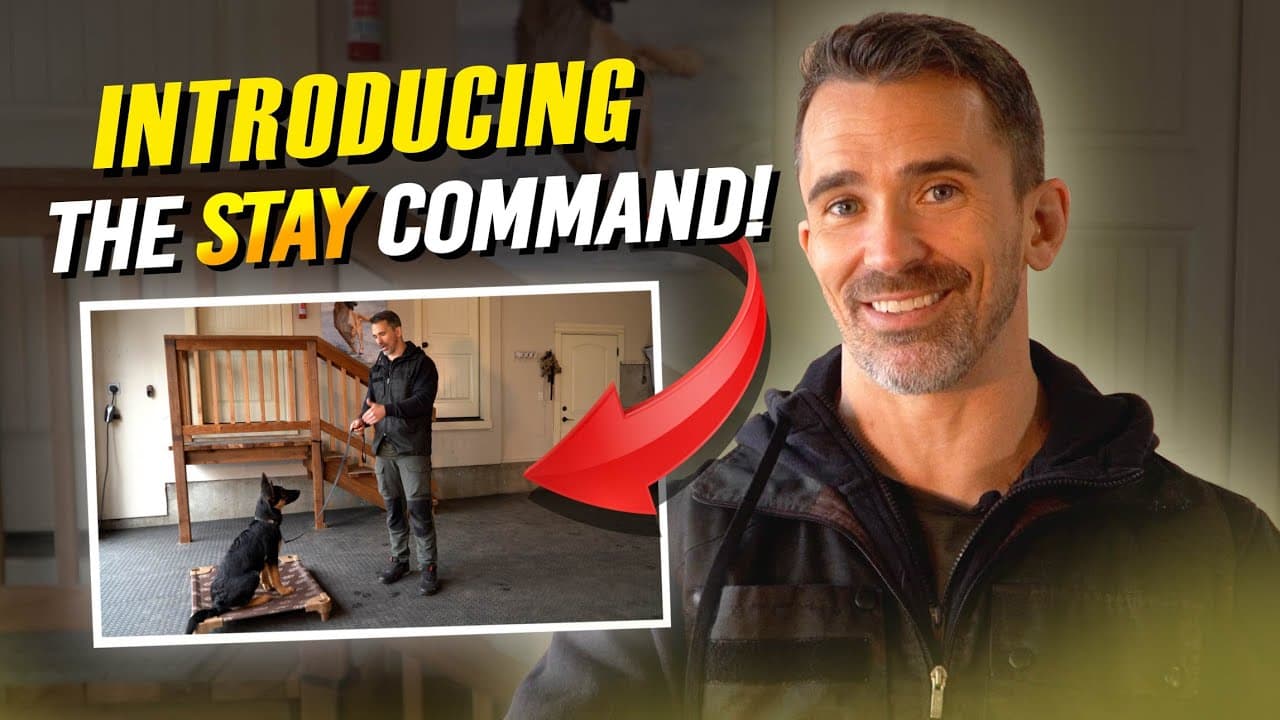
today we are going to be teaching our dogs the stay command now before you teach the stay command you want to have your dog at least understanding how to go to a climb platform I call it climb some people call it place it's just an elevated bed anytime I teach a dog stay I always start with the climb bed because it's the easiest stay to teach our d... Read More
Key Insights
- The 'stay' command is easier to teach with an elevated platform, providing a clear boundary for the dog to understand.
- Using an 'implied stay' removes the need for a separate stay command, streamlining training and communication.
- Teachable moments occur when a dog breaks a stay, allowing for corrections without punishment, reinforcing desired behavior.
- Markers and leash pressure are essential tools in dog training, helping dogs understand and respond to commands effectively.
- Building a dog's food drive through play rather than work strengthens positive associations and encourages engagement.
- Good breeders are crucial for obtaining dogs with desirable traits, reducing the likelihood of dogs ending up in shelters.
- Training sessions should include goals, but flexibility is important as different dogs may progress at varying rates.
- Reinforcing training with consistency and patience builds a strong foundation for advanced obedience and reliability.
Install to Summarize YouTube Videos and Get Transcripts
Explore YouTube Video Summarizer or Get YouTube Transcript Extractor
Questions & Answers
Q: What is the benefit of using an elevated platform for teaching the stay command?
Using an elevated platform, like the climb, provides a clear and defined boundary for the dog, making it easier for them to understand the concept of staying in one place. It helps the dog associate the physical space with the command, thereby improving their ability to maintain the position.
Q: How does the 'implied stay' method work in dog training?
The 'implied stay' method involves expecting the dog to stay without issuing a separate stay command. Whenever a command is given, the dog is expected to maintain their position until released. This approach simplifies communication and helps the dog understand that staying is part of every command.
Q: What are teachable moments in dog training?
Teachable moments occur when a dog makes a mistake, such as breaking a stay. Instead of punishing the dog, the trainer uses these moments to guide the dog back to the correct behavior, reinforcing learning without rewards. It helps the dog understand expectations and corrects behavior constructively.
Q: Why is building a dog's food drive important?
Building a dog's food drive is important because it creates a strong positive association with training. By using play rather than work to build this drive, dogs become more engaged and motivated during training sessions. This approach encourages them to participate willingly and enhances their learning experience.
Q: What role do good breeders play in dog training?
Good breeders are crucial as they produce dogs with desirable traits and characteristics, making them more suitable for training. Dogs from responsible breeders are less likely to end up in shelters, as they are bred for specific qualities that are conducive to training and obedience, reducing behavioral issues.
Q: How should trainers handle dogs with high drive during training?
Trainers should channel a dog's high drive into structured activities, providing them with tasks and challenges that satisfy their instincts. High-drive dogs benefit from advanced training and sports, which keep them engaged and prevent behavioral issues that may arise from lack of stimulation and exercise.
Q: What is the significance of markers in dog training?
Markers are verbal cues that signal to the dog when they have performed a desired behavior correctly. They help pinpoint the exact moment of success, reinforcing the behavior. Continuation markers, like 'yes,' indicate that a reward is coming, helping the dog understand the connection between their actions and the reward.
Q: Why is flexibility important in setting training goals for dogs?
Flexibility is important because dogs learn at different rates and may respond differently to training methods. Setting rigid goals can lead to frustration if a dog doesn't progress as expected. Being flexible allows trainers to adapt their approach, ensuring a positive experience for both the dog and the trainer.
Summary & Key Takeaways
-
This video explains how to teach the stay command to dogs using an elevated platform, known as the climb. The trainer focuses on using teachable moments and markers to reinforce correct behavior without punishment, emphasizing the importance of consistency and patience.
-
The trainer discusses the benefits of implied stays, where a stay is expected without a specific command. This method streamlines training and helps dogs understand expectations. Teachable moments are used to correct mistakes, providing a learning opportunity without negative reinforcement.
-
The video highlights the importance of building a dog's food drive through play, not work, to create positive associations. The trainer also advocates for responsible breeding practices, noting that good breeders produce dogs with desirable traits, reducing the need for shelters.
Read in Other Languages (beta)
Share This Summary 📚
Summarize YouTube Videos and Get Video Transcripts with 1-Click
Try YouTube Summary with ChatGPT & Claude or YouTube Transcript Generator
Explore More Summaries from Nate Schoemer 📚

Summarize YouTube Videos and Get Video Transcripts with 1-Click
Try YouTube Summary with ChatGPT & Claude or YouTube Transcript Generator