Writing a Climbing Training Plan | Pt. 2
TL;DR
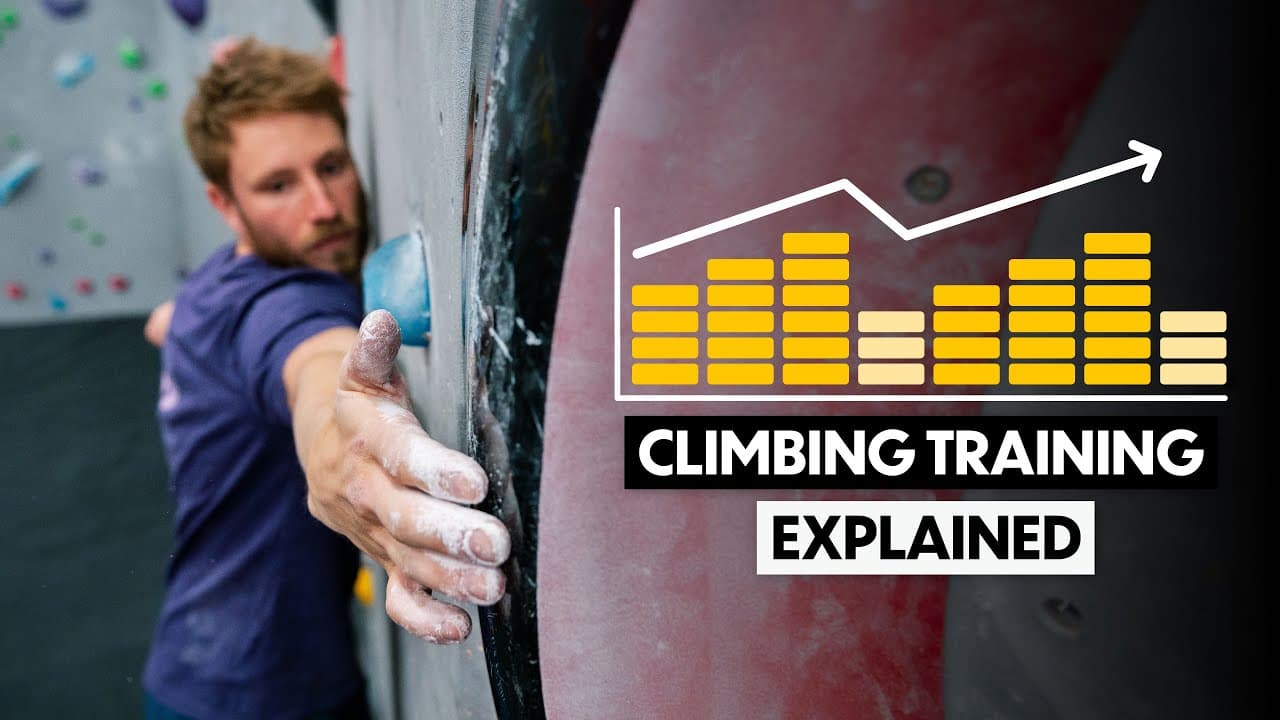
Learn how to effectively plan your training journey by setting goals and creating a realistic timeline for improvement.
Transcript
in the previous episode of our plan writing series we discussed how to be confident in knowing you're on the right direction in your training plan writing today in this episode we are going the next step and we're going to start to plan the journey assessments was all about understanding where we are starting with our journey and we also have an id... Read More
Key Insights
- 😫 Assessing your weaknesses and setting goals are crucial steps in creating an effective training plan.
- 🥅 Specific intermediate goals help you work towards your ultimate goal of improving performance.
- ❓ A realistic timeline is important for monitoring progress and adjusting training if necessary.
- 🤩 Progressive overload is a key training principle that involves gradually increasing the load on your body over time.
- 🌱 Building volume and movement awareness are primary focuses at the beginning of a training plan.
- 🚫 Training blocks with specific focuses may be beneficial for more advanced climbers.
- 👻 Introducing deload weeks every three to four weeks helps prevent overtraining and allows for recovery.
Install to Summarize YouTube Videos and Get Transcripts
Explore YouTube Video Summarizer or Get YouTube Transcript Extractor
Questions & Answers
Q: Why is it important to set goals in a training plan?
Setting goals provides direction and focuses your training, ensuring that you know where you want to go and can track your progress. Without goals, it's easy to get lost and not improve effectively.
Q: How can I make my training goals more specific?
Refer back to the assessments you conducted and identify specific areas of improvement, such as flexibility or finger strength. Set measurable targets, like increasing finger strength from 120 to 130, to guide your training.
Q: How many training focuses should I choose for my plan?
It's recommended to choose two or four different training focuses, or even just one if you're new to self-coached plans. Having too many focuses can make the plan harder to stick to and result in plateauing.
Q: How can I ensure that my training plan is realistic and achievable?
Break down your training goals into small steps and work backwards from your desired outcome. This allows you to monitor your progress and adjust the timeline if needed. Be mindful of your training history and starting point to avoid overloading your body.
Summary & Key Takeaways
-
Understand the importance of assessing your current weaknesses and setting goals before creating a training plan.
-
Set specific intermediate goals related to your weaknesses to work towards your ultimate goal of improving performance.
-
Create a realistic and achievable timeline by breaking down your training goals into small steps.
Read in Other Languages (beta)
Share This Summary 📚
Summarize YouTube Videos and Get Video Transcripts with 1-Click
Try YouTube Summary with ChatGPT & Claude or YouTube Transcript Generator
Explore More Summaries from Lattice Training 📚

Summarize YouTube Videos and Get Video Transcripts with 1-Click
Try YouTube Summary with ChatGPT & Claude or YouTube Transcript Generator