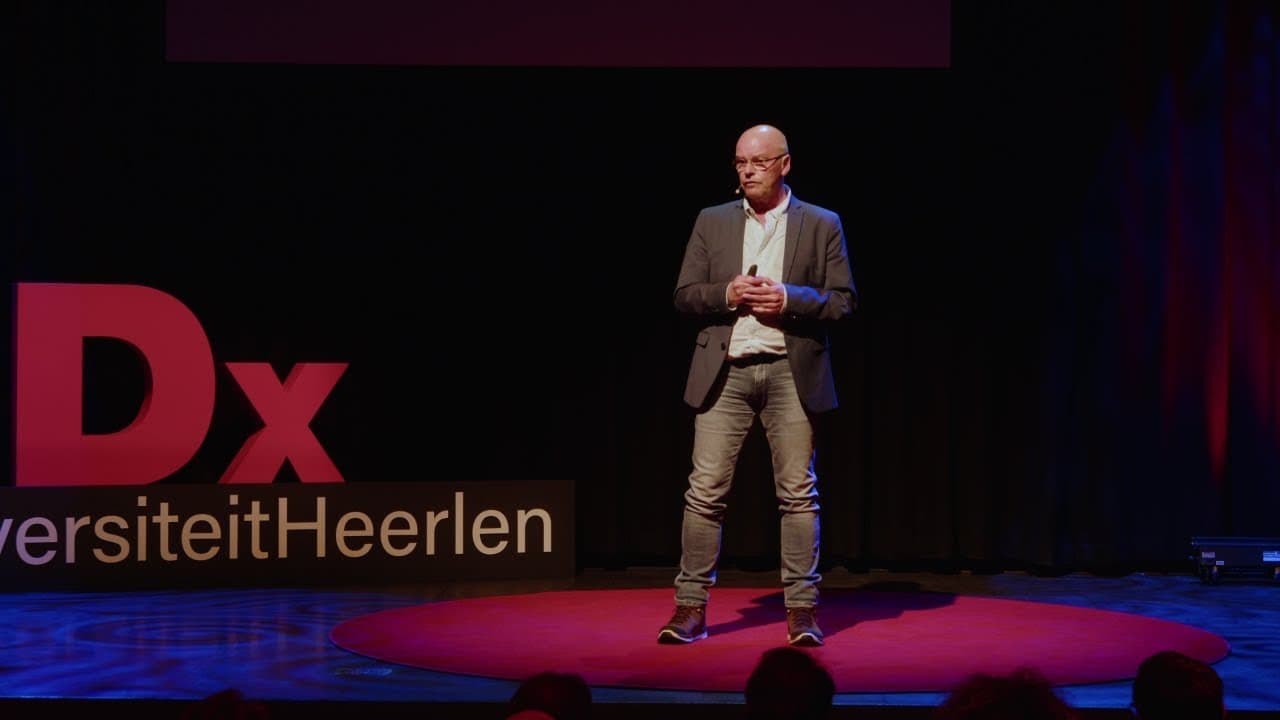
Gender... acceptance of change | Mark Hommes | TEDxOpenUniversiteitHeerlen
TL;DR
Gender dysphoria is a challenge where one's biological sex doesn't align with their gender identity, causing stigma and psychological issues.
Transcript
Transcriber: Bach Hop Tran Ngoc Reviewer: Ngô Tuấn Anh - CTU Transgender. You know, about 15 years ago when I started my research, not many people actually knew what transgender meant. But nowadays, it’s a hot topic, isn’t it? I mean, we’ve got clashing opinions. On the one hand, people fighting for more gender diversity and on the other hand, peo... Read More
Key Insights
- 🥳 Gender dysphoria is a condition where one's birth sex does not align with their gender identity, causing discomfort and challenges.
- 🧠 Understanding gender dysphoria has evolved to acknowledge its biological basis through genetic and brain studies.
- ⚧️ Stigma, exclusion, and psychological issues like depression are prevalent among individuals with gender dysphoria.
- ⚧️ Treatment for gender dysphoria focuses on adjusting the body to align with one's gender identity, leading to improved well-being.
- 🤗 Society can support individuals with gender dysphoria by being respectful, open to diverse feelings, and fostering connections.
- ⚧️ Acceptance of change in gender boundaries is essential for individuals facing gender dysphoria, while others may feel a loss of familiar values.
- 🌸 Openness to both feelings of loss and acceptance is critical for individuals and society to navigate the changes in gender identity.
Install to Summarize YouTube Videos and Get Transcripts
Explore YouTube Video Summarizer or Get YouTube Transcript Extractor
Questions & Answers
Q: What is gender dysphoria and how does it affect individuals?
Gender dysphoria is a condition where one's birth sex does not align with their gender identity, leading to discomfort and psychological challenges. Individuals may feel isolated and stigmatized due to societal expectations.
Q: How has the understanding of gender dysphoria evolved over the years?
The understanding of gender dysphoria has shifted from viewing it as a purely psychological problem to recognizing its biological basis. Research shows that genetic and brain differences contribute to gender dysphoria.
Q: What are some challenges faced by individuals with gender dysphoria?
People with gender dysphoria often experience stigma, exclusion, and psychological issues like depression and anxiety. Suicide rates are significantly higher among individuals with gender dysphoria.
Q: How can society improve acceptance and support for individuals with gender dysphoria?
Society can enhance acceptance by being respectful, open to both feelings of individuals and connecting on individual and societal levels. It is crucial to acknowledge and support individuals' gender identity.
Summary & Key Takeaways
-
Gender dysphoria is a condition where one's birth sex does not align with their gender identity, causing discomfort.
-
People with gender dysphoria face challenges due to societal expectations and stigma.
-
Treatment for gender dysphoria focuses on aligning the body with one's gender identity.
Read in Other Languages (beta)
Share This Summary 📚
Summarize YouTube Videos and Get Video Transcripts with 1-Click
Try YouTube Summary with ChatGPT & Claude or YouTube Transcript Generator
Explore More Summaries from TEDx Talks 📚






Summarize YouTube Videos and Get Video Transcripts with 1-Click
Try YouTube Summary with ChatGPT & Claude or YouTube Transcript Generator