The Psychological Tricks Keeping You Online
TL;DR
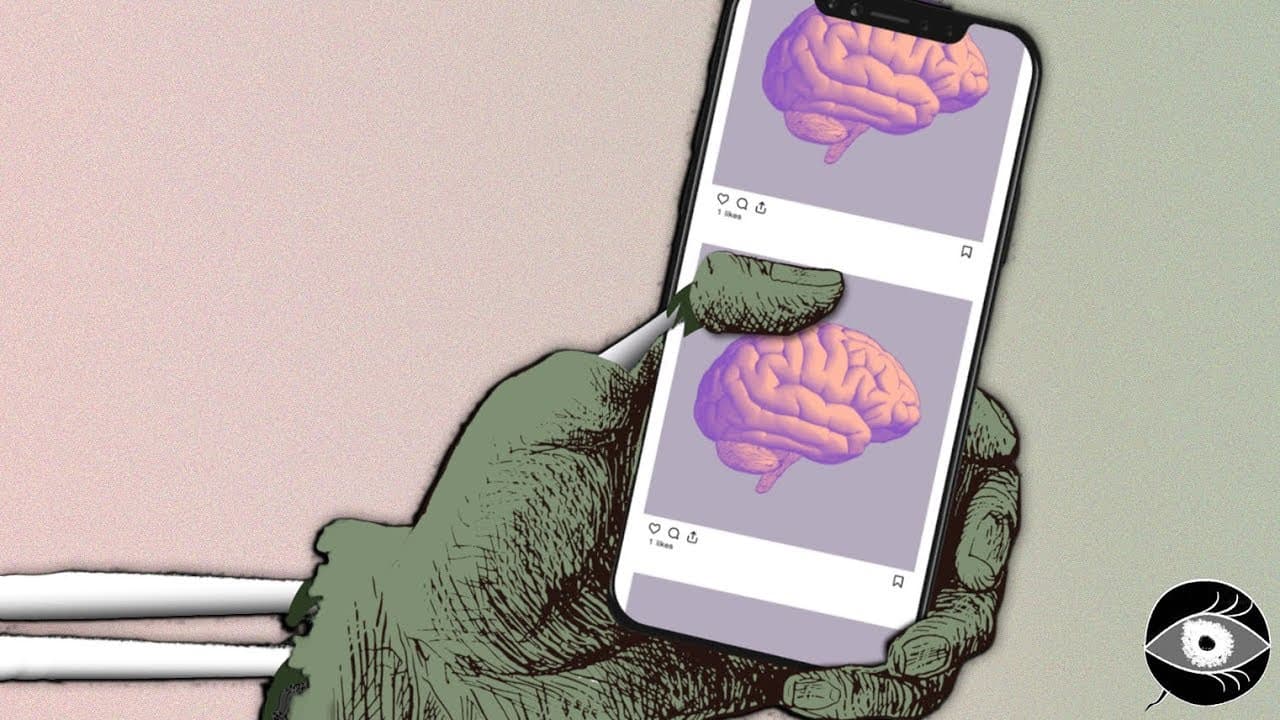
Technology, specifically social media, is designed to keep users engaged for as long as possible using persuasive techniques, which can have negative effects on mental health and productivity.
Transcript
In every small action you make throughout your day, there’s an illusion of choice: that you’re acting however you like. Though if you look through a different lens, you can see that your world has been designed for you to interact with it in a certain way. Take this cup, for example. I use it so effortlessly. But what about this one? It’s obviously... Read More
Key Insights
- 🖐️ Design plays a crucial role in shaping user behavior and interaction with both physical and digital objects.
- 🥅 Companies often prioritize their own goals, such as increasing ad revenue, over the well-being and goals of users.
- 💁 Persuasive design principles, developed by Stanford, are utilized to create habit-forming products.
- 🧑⚕️ Technology addiction, particularly to social media, can have negative impacts on mental health and overall well-being.
- 🤩 Triggers, actions, rewards, and investments are key components of persuasive design, leading to changes in user behavior patterns.
- 👶 Technology's influence on users is not a new phenomenon and is rooted in classical conditioning and operant conditioning principles.
- 👤 Users can take personal responsibility by recognizing and reversing the design tricks used in technology.
Install to Summarize YouTube Videos and Get Transcripts
Explore YouTube Video Summarizer or Get YouTube Transcript Extractor
Questions & Answers
Q: How does technology manipulate users' behavior?
Technology uses persuasive design principles, such as triggers, actions, rewards, and investments, to create addictive behaviors and keep users engaged for longer periods of time. These techniques change user behavior patterns and can lead to excessive usage.
Q: What negative effects can technology addiction have?
Studies suggest that technology addiction, particularly to social media, can lead to increased levels of anxiety, sadness, and suicidal tendencies. It can also contribute to societal divisions and conflicts in various parts of the world.
Q: How can users combat the manipulative power of design in technology?
Users can take personal responsibility by recognizing the design tricks and taking steps to reverse them. This can include turning off push notifications, deleting unnecessary apps, and directing attention to what truly matters. Mindfulness and awareness of technology usage can help establish a healthier relationship with technology.
Q: Are the manipulative techniques used in technology unethical?
While some argue that persuasive design principles are beneficial for creating engaging products, others believe that they can be ethically questionable. The deliberate use of addictive algorithms by tech designers has been acknowledged by industry insiders, raising concerns about the potential harm caused by these techniques.
Summary & Key Takeaways
-
Technology and everyday objects are designed with specific goals in mind, but the goals of companies may not align with the goals of users, leading to excessive usage and negative effects on well-being.
-
"Persuasive design" principles, developed by Stanford's Persuasive Technology Lab, are used to create habit-forming products both online and offline.
-
The use of triggers, actions, rewards, and investments in technology can result in addictive behaviors and changes in user behavior patterns.
Read in Other Languages (beta)
Share This Summary 📚
Summarize YouTube Videos and Get Video Transcripts with 1-Click
Try YouTube Summary with ChatGPT & Claude or YouTube Transcript Generator
Explore More Summaries from BrainCraft 📚





Summarize YouTube Videos and Get Video Transcripts with 1-Click
Try YouTube Summary with ChatGPT & Claude or YouTube Transcript Generator