EASILY Teach Your Dog the 'Drop It' Command with Value Transfer
TL;DR
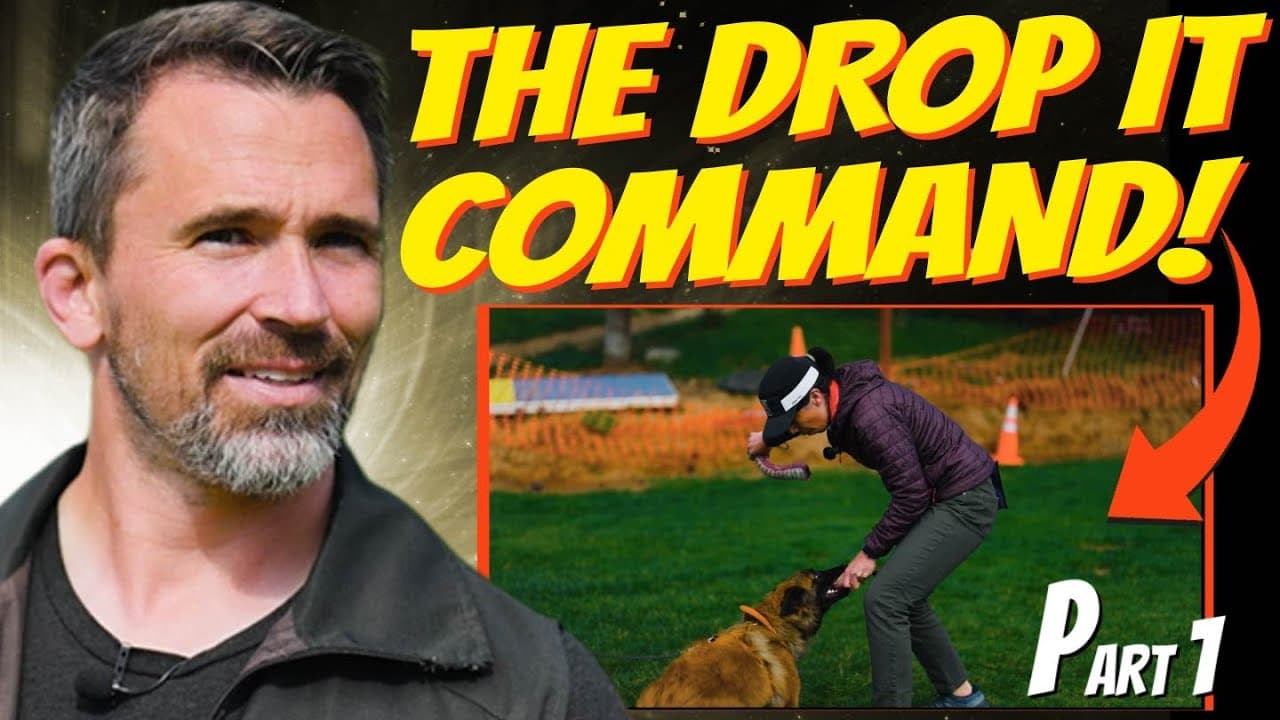
Learn to teach your dog 'drop it' using value transfer.
Transcript
so for this one we're going to be teaching the out now I like to start all dogs with value transfer if they're willing to trade and I can use that as a tool to teach them the out then that's what I'm going to do now the way that we're going to do this you're going to do it is you're going to get him playing with one when you're ready for him to out... Read More
Key Insights
- Value transfer is an effective method for teaching dogs the 'drop it' command by using toys to shift their focus.
- Engaging in playful tug sessions can build a dog's desire to play and improve their obedience during training.
- Utilizing smooth, controlled movements during tug play helps maintain a dog's interest and reinforces bite control.
- Applying tension on the leash during play can help dogs understand pulling is acceptable when wearing a harness.
- Encouraging dogs to jump up for toys can be achieved by holding toys high and rewarding them for jumping.
- Training should be fun and rewarding for the dog, ensuring they always feel like they are winning in play.
- Using a helper to manage leash tension during training can enhance the dog's understanding of tight versus loose cues.
- Ending training sessions on a positive note reinforces good behavior and maintains the dog's interest in future training.
Install to Summarize YouTube Videos and Get Transcripts
Explore YouTube Video Summarizer or Get YouTube Transcript Extractor
Questions & Answers
Q: What is value transfer in dog training?
Value transfer in dog training refers to the technique of encouraging a dog to release an item by offering them something of higher value in return. This method is particularly useful in teaching commands like 'drop it,' where the dog learns to associate releasing an object with receiving a more desirable toy or treat, enhancing their obedience and control.
Q: How can smooth movements improve a dog's training?
Smooth movements during training, especially in activities like tug-of-war, help maintain a dog's interest and prevent them from becoming frustrated or losing focus. By avoiding jerky motions, trainers can ensure that the dog remains engaged and responsive, which is crucial for effective learning and reinforcing commands such as 'drop it' or 'sit.'
Q: Why is ending training sessions on a positive note important?
Ending training sessions on a positive note ensures that the dog associates training with fun and success, which encourages them to participate willingly in future sessions. By concluding with a rewarding experience, such as a 'victory lap' or a play session, dogs are more likely to remember the positive aspects of training, reinforcing their learning and enthusiasm.
Q: How does leash tension affect a dog's behavior during training?
Leash tension can significantly influence a dog's behavior during training. By applying controlled tension, trainers can teach dogs that pulling is acceptable when wearing a harness, which is useful for activities like leash walking and tug-of-war. Understanding the difference between tight and loose tension helps dogs learn appropriate behavior in various contexts, enhancing their overall obedience.
Q: What role does a helper play in dog training?
A helper in dog training can manage leash tension, allowing the trainer to focus on engaging the dog and reinforcing commands. By coordinating with the trainer to apply or release tension, the helper helps the dog understand the cues associated with tight and loose tension, improving their responsiveness and behavior during training sessions.
Q: How can trainers encourage dogs to jump up during play?
Trainers can encourage dogs to jump up during play by holding toys high and rewarding the dog for jumping. This behavior is natural for dogs, and by allowing them to access their primary reinforcer, such as a favorite toy, they learn that jumping is an acceptable and rewarding action during play sessions, enhancing their engagement and excitement.
Q: What is the significance of using toys in dog training?
Toys play a crucial role in dog training by serving as motivators and rewards that can capture a dog's attention and encourage desired behaviors. When used in techniques like value transfer, toys help teach commands by providing a tangible incentive for the dog to follow instructions, making the training process more engaging and effective.
Q: How does positive association affect a dog's learning process?
Positive association is key to a dog's learning process as it helps them connect desired behaviors with rewarding outcomes. By ensuring that training sessions are enjoyable and rewarding, dogs are more likely to repeat the behaviors that lead to positive experiences, such as treats or playtime, reinforcing their learning and improving their overall obedience.
Summary & Key Takeaways
-
The video explains how to teach dogs the 'drop it' command using the value transfer method, focusing on making the training fun and engaging for the dog. The method involves using toys to encourage dogs to release an item in exchange for another, enhancing their obedience and control.
-
The trainer emphasizes the importance of smooth, controlled movements during play to maintain the dog's interest and improve their bite control. By applying tension on the leash, dogs learn that pulling is acceptable when wearing a harness, reinforcing positive behavior during training.
-
The video also highlights the significance of ending training sessions on a positive note, ensuring the dog feels like they are winning. This approach helps in building a stronger bond with the dog and encourages them to participate eagerly in future training sessions.
Read in Other Languages (beta)
Share This Summary 📚
Summarize YouTube Videos and Get Video Transcripts with 1-Click
Try YouTube Summary with ChatGPT & Claude or YouTube Transcript Generator
Explore More Summaries from Nate Schoemer 📚

Summarize YouTube Videos and Get Video Transcripts with 1-Click
Try YouTube Summary with ChatGPT & Claude or YouTube Transcript Generator