The Insane Benefits of Water-Only Fasting: Dr. Alan Goldhamer | Rich Roll Podcast
TL;DR
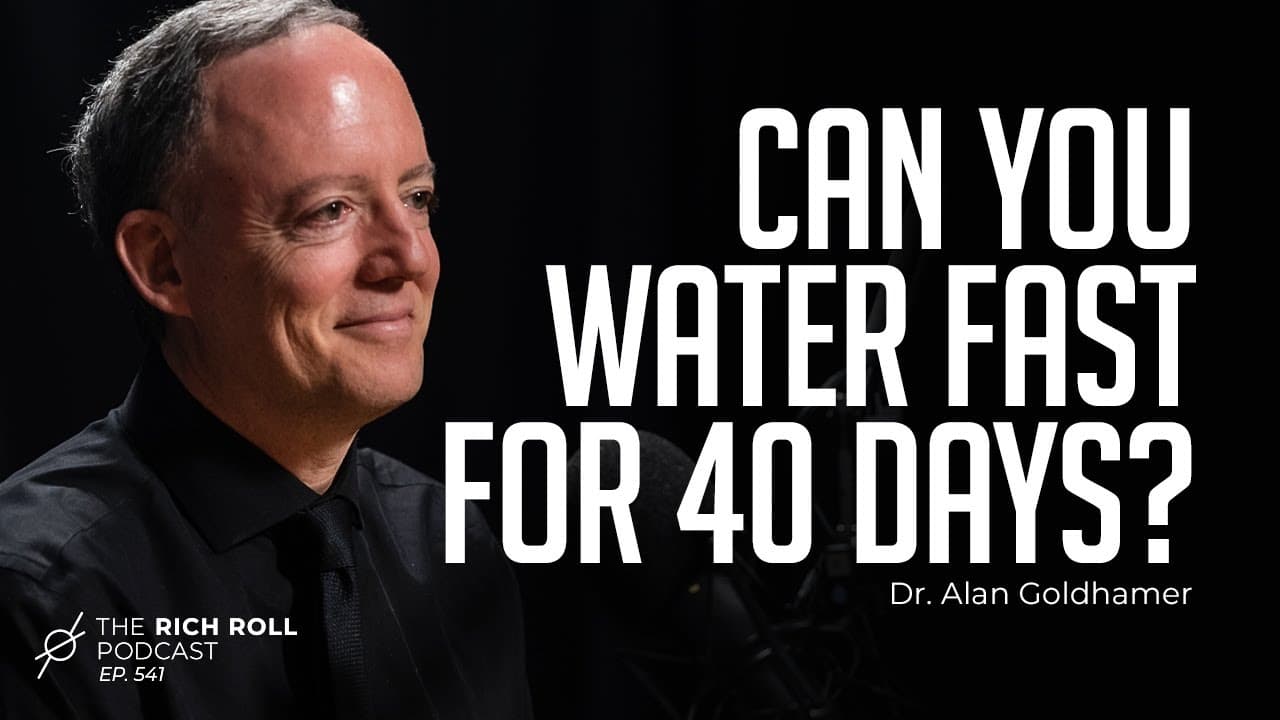
Dr. Alan Goldhamer discusses the concept of fasting and its impact on our health, particularly in relation to our addictive relationship with food. He emphasizes the importance of addressing the underlying psychological and physiological factors that contribute to our eating habits.
Transcript
hey everybody welcome to the podcast my guest today is dr alan goldhamer dr goldhamer is the founder of true north health center in santa rosa california he is the co-author of this book the pleasure trap and he's a pioneer in the plant-based nutrition space this conversation is about many things but there is a particular focus on fasting today and... Read More
Key Insights
- ♻️ Humans are genetically designed for an environment of scarcity, but modern society has created an environment of abundance that contributes to overeating and obesity.
- 😋 Fasting can help break the addictive cycle of overeating by eliminating chemicals in food that stimulate the brain and lead to cravings.
- 🛀 Fasting has been clinically shown to be effective in addressing chronic diseases caused by dietary excess, such as obesity, cardiovascular disease, and diabetes.
- 🙈 Fasting induces physiological changes similar to those seen in exercise, highlighting the importance of dietary choices in overall health.
Install to Summarize YouTube Videos and Get Transcripts
Explore YouTube Video Summarizer or Get YouTube Transcript Extractor
Questions & Answers
Q: How does the modern environment of abundance contribute to overeating and obesity?
Humans evolved in an environment of scarcity, where they had to fight for survival. However, with the advent of an environment of abundance, we are bombarded with highly stimulating foods that fool our brains and lead to overeating and obesity.
Q: How does fasting help break the addictive relationship with food?
Fasting allows the body to detoxify and reset its dependence on certain addictive food chemicals like salt, oil, and sugar. By eliminating these chemicals, fasting helps restore the body's natural ability to regulate food intake and reduce cravings.
Q: What is the relationship between fasting and chronic diseases?
Many chronic diseases, such as obesity, cardiovascular disease, and diabetes, are caused by dietary excess. Fasting helps reverse these conditions by promoting weight loss, reducing inflammation, and improving metabolic markers.
Q: Why is it important to address the psychological and emotional aspects of transitioning to a healthy diet?
The emotional and psychological factors involved in our relationship with food are often overlooked. Understanding the addictive nature of food and addressing the underlying causes of unhealthy eating habits are crucial for successful dietary changes.
Summary & Key Takeaways
-
Dr. Alan Goldhamer is a pioneer in the plant-based nutrition space and the founder of True North Health Center. He discusses the concept of fasting and its role in addressing diseases caused by dietary excess.
-
The modern environment of abundance has led to systematic overeating, obesity, and metabolic syndrome. Fasting helps break this cycle by resetting our relationship with food.
-
People need to understand that their addictive relationship with food is similar to other addictions, and adopting a strategy that eliminates the chemicals that fool the brain is more effective than trying to moderate food intake.
Read in Other Languages (beta)
Share This Summary 📚
Summarize YouTube Videos and Get Video Transcripts with 1-Click
Try YouTube Summary with ChatGPT & Claude or YouTube Transcript Generator
Explore More Summaries from Rich Roll 📚





Summarize YouTube Videos and Get Video Transcripts with 1-Click
Try YouTube Summary with ChatGPT & Claude or YouTube Transcript Generator