What Were the Consequences of Prohibition in the US?
TL;DR
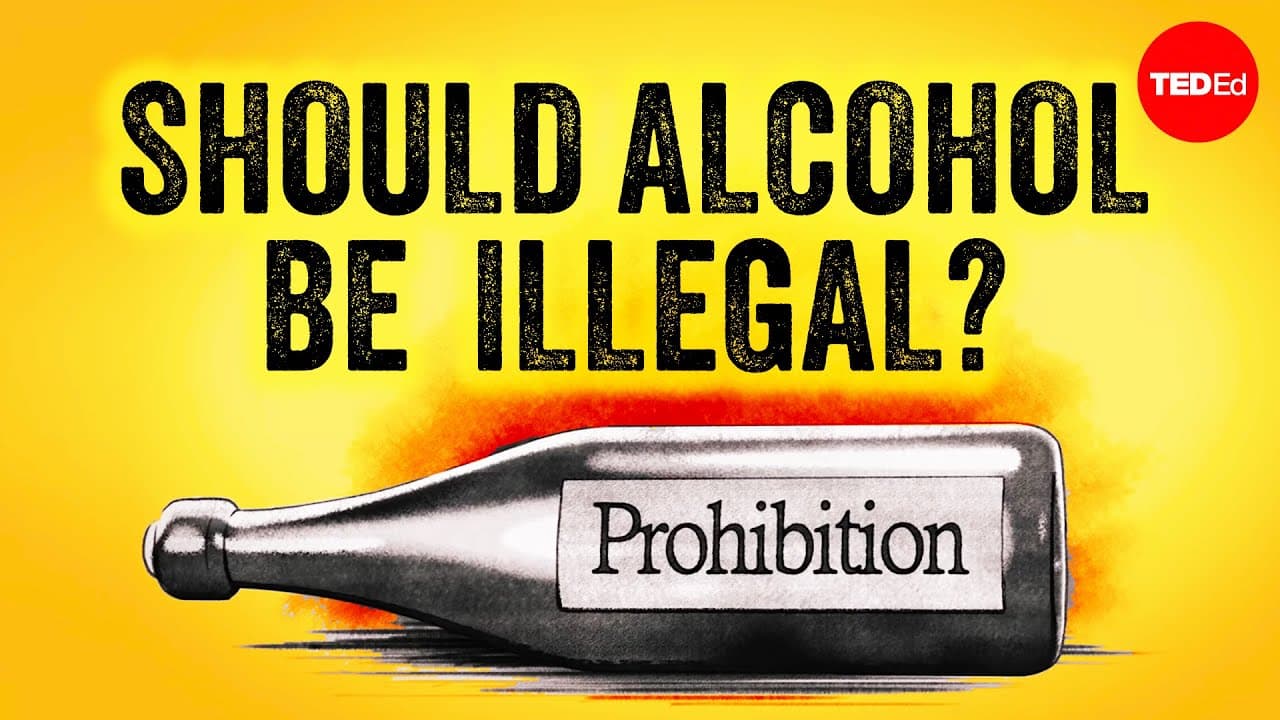
Prohibition in the US resulted in significant unintended consequences, including a surge in organized crime, widespread political corruption, and the rise of speakeasies. Rather than improving society, it exacerbated social issues, leading to the eventual repeal of the 18th Amendment in 1933, marking it as the only amendment to be fully revoked.
Transcript
On January 17, 1920, six armed men robbed a Chicago freight train. But it wasn’t money they were after. Less than one hour after spirits had become illegal throughout the United States, the robbers made off with thousands of dollars worth of whiskey. It was a first taste of the unintended consequences of Prohibition. The nationwide ban on the p... Read More
Key Insights
- 😮 Prohibition in the US led to unintended consequences like the rise of organized crime and political corruption.
- 🤕 Temperance movements believed alcohol was the root of society's problems, leading to the nationwide ban on alcohol production and sale.
- 👻 Speakeasies became popular during Prohibition, allowing people to access alcohol illegally.
- 💄 The 21st Amendment repealed the 18th Amendment, making it the only amendment to be fully repealed.
- ❓ Prohibition did not bring the promised social improvements, contributing instead to political corruption and organized crime.
- 🧑⚕️ The health and social impacts of alcohol consumption remain concerns today despite Prohibition's repeal.
- 🥺 Government attempts to regulate alcohol during Prohibition led to harmful consequences like poisoning deaths and corruption.
Install to Summarize YouTube Videos and Get Transcripts
Explore YouTube Video Summarizer or Get YouTube Transcript Extractor
Questions & Answers
Q: Why did the United States enact Prohibition?
The US banned alcohol through the 18th Amendment due to the belief that alcohol was the cause of social problems like poverty and domestic violence.
Q: How did the ban on alcohol give rise to organized crime?
Prohibition created a lucrative black market for alcohol, leading organized crime groups to produce, smuggle, and sell illicit liquor, contributing to corruption and crime.
Q: What were speakeasies during the Prohibition era?
Speakeasies were illegal bars that served alcohol during Prohibition, ranging from small basement bars to elaborate dance halls where people could obtain alcohol despite the ban.
Q: Why was the 21st Amendment passed in 1933?
The 21st Amendment repealed the 18th Amendment due to the failures and unintended consequences of Prohibition, including increased crime and corruption.
Summary & Key Takeaways
-
Prohibition in the US led to unintended consequences such as organized crime flourishing, corruption in politics, and the emergence of speakeasies.
-
The temperance movements believed alcohol was the root of society's problems, leading to the ban on alcohol.
-
Despite efforts to improve society by banning alcohol, Prohibition only worsened social issues and led to the eventual repeal.
Read in Other Languages (beta)
Share This Summary 📚
Summarize YouTube Videos and Get Video Transcripts with 1-Click
Try YouTube Summary with ChatGPT & Claude or YouTube Transcript Generator
Explore More Summaries from TED-Ed 📚


Summarize YouTube Videos and Get Video Transcripts with 1-Click
Try YouTube Summary with ChatGPT & Claude or YouTube Transcript Generator