How to Introduce Dogs to Ball on a Rope
TL;DR
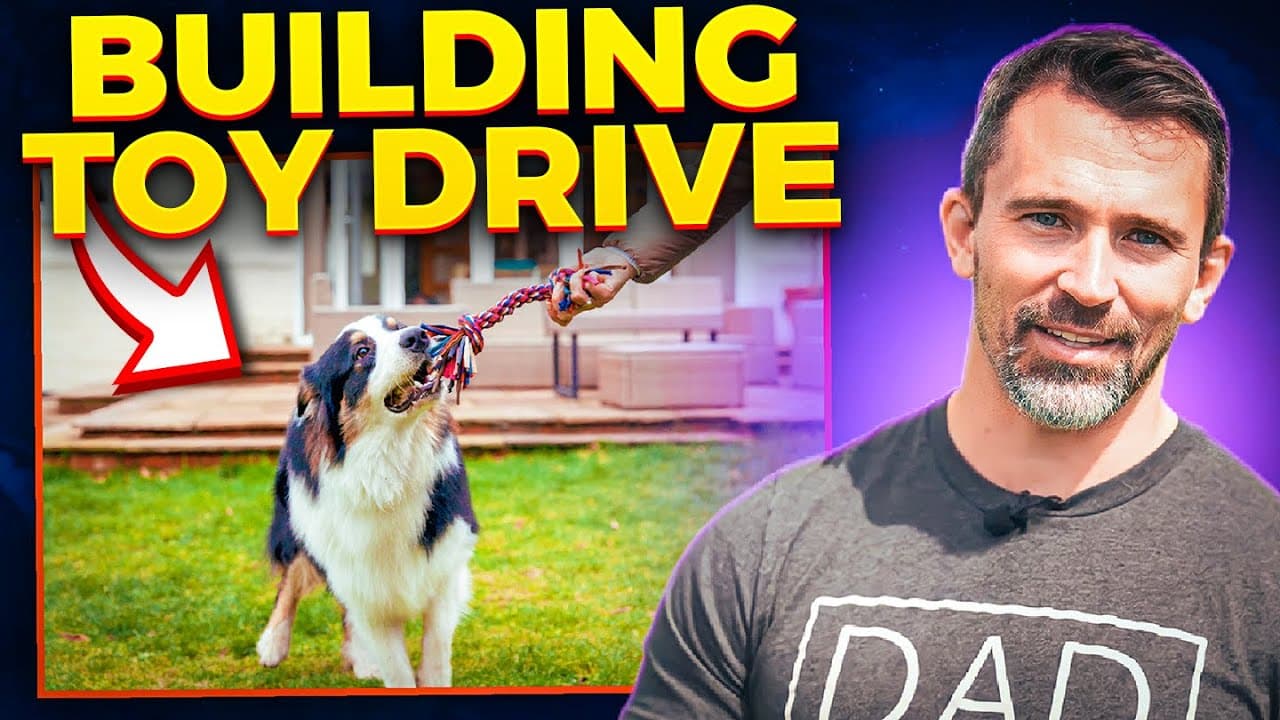
To introduce your dog to a ball on a rope, start by using a flat collar or harness and avoid food rewards. Encourage interest by gently restraining the dog and letting them see the ball. Use playful teasing to build excitement and reward them for chasing. This method enhances toy drive and strengthens obedience.
Transcript
today you guys are gonna have a class from Larry Hansen she's been training for a very long time she knows her crap and she's going to teach you guys how to introduce your dogs to a ball on a rope this is a very valuable tool that you can use to increase your dog's excitement motivation and we can direct that energy to sharpen up our obedience a li... Read More
Key Insights
- Building toy drive in dogs involves using a ball on a rope without food rewards.
- Dogs should be on flat collars or harnesses to prevent choking during training.
- Encouraging interest in the ball with teasing builds excitement and motivation.
- Reward dogs for showing interest and chasing the ball to enhance engagement.
- Training sessions should be short to prevent dogs from losing interest.
- Using diverse toys can prevent dependency on a single favorite toy.
- Praise and reward are crucial for building a positive association with the toy.
- Handlers should observe and adjust techniques based on individual dog responses.
Install to Summarize YouTube Videos and Get Transcripts
Explore YouTube Video Summarizer or Get YouTube Transcript Extractor
Questions & Answers
Q: How to introduce a dog to a ball on a rope?
To introduce a dog to a ball on a rope, use a flat collar or harness to prevent choking. Avoid food rewards and focus on building interest through playful teasing. Encourage the dog to chase the ball by gently restraining them, rewarding them for showing interest and chasing, and using short training sessions to maintain high engagement.
Q: Why avoid food rewards when building toy drive?
Avoiding food rewards when building toy drive is important because it shifts the dog's focus to the toy itself, enhancing their excitement and motivation for play. This method strengthens the bond between the handler and the dog through interactive play, rather than relying on food as a primary motivator.
Q: What is the role of a flat collar in toy drive training?
A flat collar plays a crucial role in toy drive training by providing a safe way to manage the dog without causing choking or discomfort. It allows the handler to gently restrain and guide the dog during training, ensuring the dog remains focused on the toy rather than being distracted by discomfort.
Q: How can diverse toys enhance toy drive?
Using diverse toys can enhance toy drive by preventing the dog from becoming dependent on a single favorite toy. Introducing different toys encourages adaptability and interest in various play items, ensuring the dog remains engaged and responsive to new training scenarios and environments.
Q: What is the importance of short training sessions?
Short training sessions are important because they prevent the dog from losing interest or becoming overwhelmed. Brief, focused sessions maintain high levels of engagement and excitement, ensuring the dog remains motivated and eager to participate in training, which is crucial for effective learning and retention.
Q: How does toy drive training affect obedience?
Toy drive training positively affects obedience by channeling a dog's natural play instincts into structured activities that reinforce commands and behaviors. By building excitement and motivation for toys, handlers can use play as a reward, enhancing the dog's responsiveness and willingness to follow commands.
Q: Why is praise important in toy drive training?
Praise is important in toy drive training because it reinforces positive behavior and creates a rewarding experience for the dog. By associating praise with successful interactions with the toy, handlers strengthen the dog's motivation to engage in play, fostering a positive training environment and enhancing the bond with the handler.
Q: How should handlers adjust techniques based on dog responses?
Handlers should adjust techniques based on dog responses by observing the dog's level of interest and engagement. If a dog loses interest, shorten sessions or change toys to re-engage them. Tailor the intensity of play to the dog's energy levels and preferences, ensuring a positive and effective training experience.
Summary & Key Takeaways
-
Introducing a dog to a ball on a rope involves using a flat collar or harness and avoiding food rewards. The goal is to build toy drive by encouraging interest and excitement through playful teasing. Short sessions and diverse toys prevent dependency and maintain engagement, while praise reinforces positive behavior.
-
Handlers should focus on rewarding dogs for interest and chasing the ball, using a flat collar to avoid choking. Training should be adjusted based on the dog's response, ensuring sessions are brief to maintain high interest levels and avoid burnout.
-
Building toy drive enhances obedience and strengthens the bond between dog and handler. Using a variety of toys prevents reliance on a single favorite, while praise and rewards create a positive training environment. Observing and adjusting techniques based on individual responses is key.
Read in Other Languages (beta)
Share This Summary 📚
Summarize YouTube Videos and Get Video Transcripts with 1-Click
Try YouTube Summary with ChatGPT & Claude or YouTube Transcript Generator
Explore More Summaries from Nate Schoemer 📚



Summarize YouTube Videos and Get Video Transcripts with 1-Click
Try YouTube Summary with ChatGPT & Claude or YouTube Transcript Generator