Crowdsourcing a Meeting of the Minds
TL;DR
Work is shifting from being intrinsically motivated and coming from a single source, to being digitally mediated and coming from diverse experts sourced on demand from the crowd, creating new opportunities for collaboration and problem-solving.
Transcript
great to see you all so one reason I love following Candice is that I can actually draw this connection if she's talking about the future of Education what happens as we as we become educated as we move forward what does this connect to and I'm going to talk about work because I think that this is going to be really really deeply changing in the ne... Read More
Key Insights
- 💦 Work is shifting from being intrinsically motivated to being digitally mediated, with tasks being sourced from other people on the network.
- 💦 Crowdsourcing is a powerful way to split up work into smaller tasks and assign them to diverse experts, resulting in efficient and high-quality work.
- 💦 Traditional project management methods and online collaboration tools are not suited for crowd-based work, and new platforms like Boundary Foundry are emerging to provide structure and guidance.
- 😤 Crowd-based teams can outperform traditional teams in terms of efficiency and productivity.
- 😤 Crowdsourcing has the potential to tackle complex tasks that cannot be easily split up, by combining individual components from different teams.
- 😫 The crowd should be viewed as a diverse set of experts, rather than homogenous and faceless amateurs.
- 🔬 The future of work will require new forms of labor protection and ethical labor practices.
Install to Summarize YouTube Videos and Get Transcripts
Explore YouTube Video Summarizer or Get YouTube Transcript Extractor
Questions & Answers
Q: How is work shifting from being intrinsically motivated to being digitally mediated?
In the past, work was primarily intrinsically motivated and came from oneself or from a boss. However, with the rise of digital platforms like Uber and Amazon Mechanical Turk, work is now coming from other people on the network, creating a digitally mediated relationship between workers.
Q: How can crowdsourcing be applied to different types of tasks?
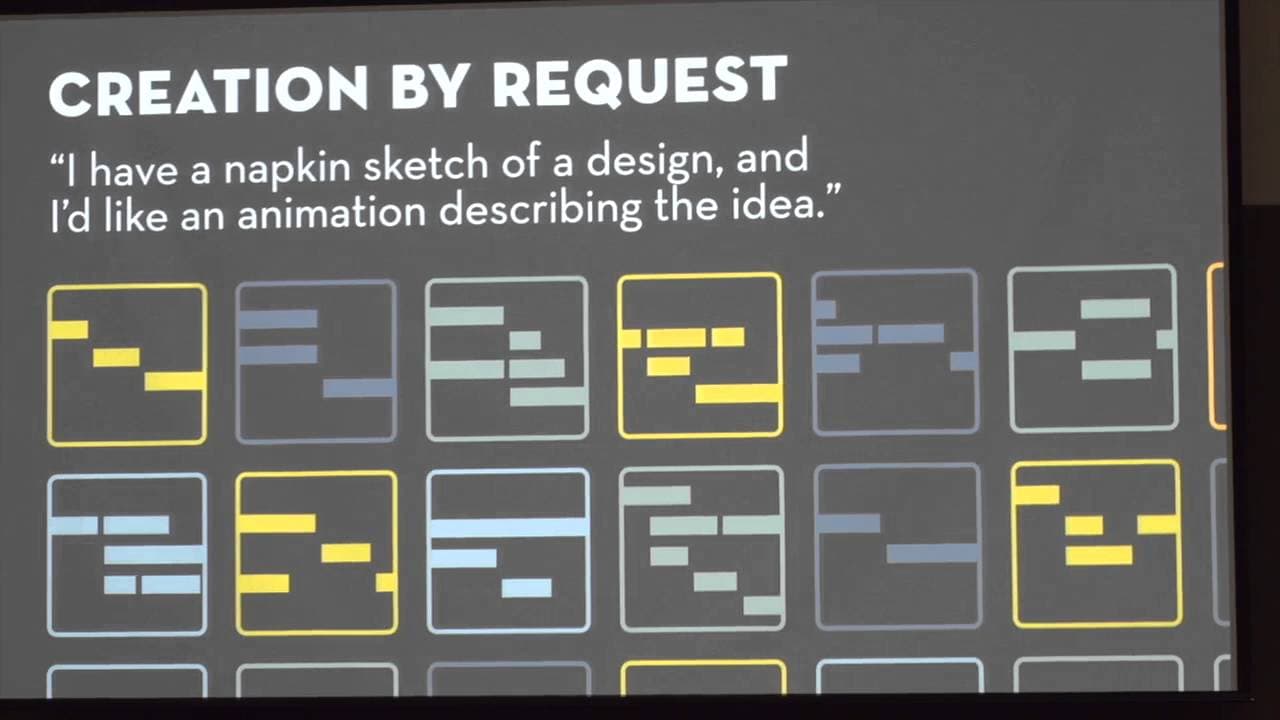
Crowdsourcing can be applied to a wide range of tasks, such as UI design, software engineering, user experience evaluation, animation, and video production. By splitting up complex tasks into smaller components and assigning them to experts in specific areas, high-quality work can be produced in a short amount of time.
Q: What are the challenges of coordinating and managing crowd-based teams?
Traditional methods of organizing and managing teams are not effective when it comes to coordinating diverse experts in a crowd-based setting. Teams can be inefficient, poorly coordinated, and struggle to integrate their efforts. However, new platforms like Boundary Foundry are being developed to provide structure, guidance, and real-time coordination for crowd-based teams.
Q: Can crowd-based teams outperform traditional teams?
In a study comparing flash teams (crowd-based teams following a structured process) with self-managed teams, it was found that flash teams completed the same quality of work in half the time. The coordinated structure and clear roles provided by flash teams facilitate more efficient collaboration and productivity.
Summary & Key Takeaways
-
Work is becoming digitally mediated, with tasks being sourced from other people on the network, creating new opportunities and challenges for the future of work.
-
Crowdsourcing, the process of splitting up work into smaller tasks and assigning them to a crowd of diverse experts, is a powerful and efficient way to tackle complex projects.
-
Traditional project management methods and online collaboration tools are not suited for this new mode of work, and new platforms like Boundary Foundry are emerging to facilitate and optimize the coordination and collaboration of crowd-based teams.
Read in Other Languages (beta)
Share This Summary 📚
Summarize YouTube Videos and Get Video Transcripts with 1-Click
Try YouTube Summary with ChatGPT & Claude or YouTube Transcript Generator
Explore More Summaries from Stanford 📚


Summarize YouTube Videos and Get Video Transcripts with 1-Click
Try YouTube Summary with ChatGPT & Claude or YouTube Transcript Generator