What Are the Strange Truths About Psychopathy?
TL;DR
Psychopathy can be masked by behaviors that seem normal, as seen in the story of Tony, who faked madness to avoid prison but was later diagnosed as a psychopath. The prevalence of psychopathic traits in corporate leaders raises concerns, as capitalism often rewards manipulative behaviors. Understanding the complexity of mental disorders emphasizes the importance of avoiding simplistic labels and recognizing the gray areas of human behavior.
Transcript
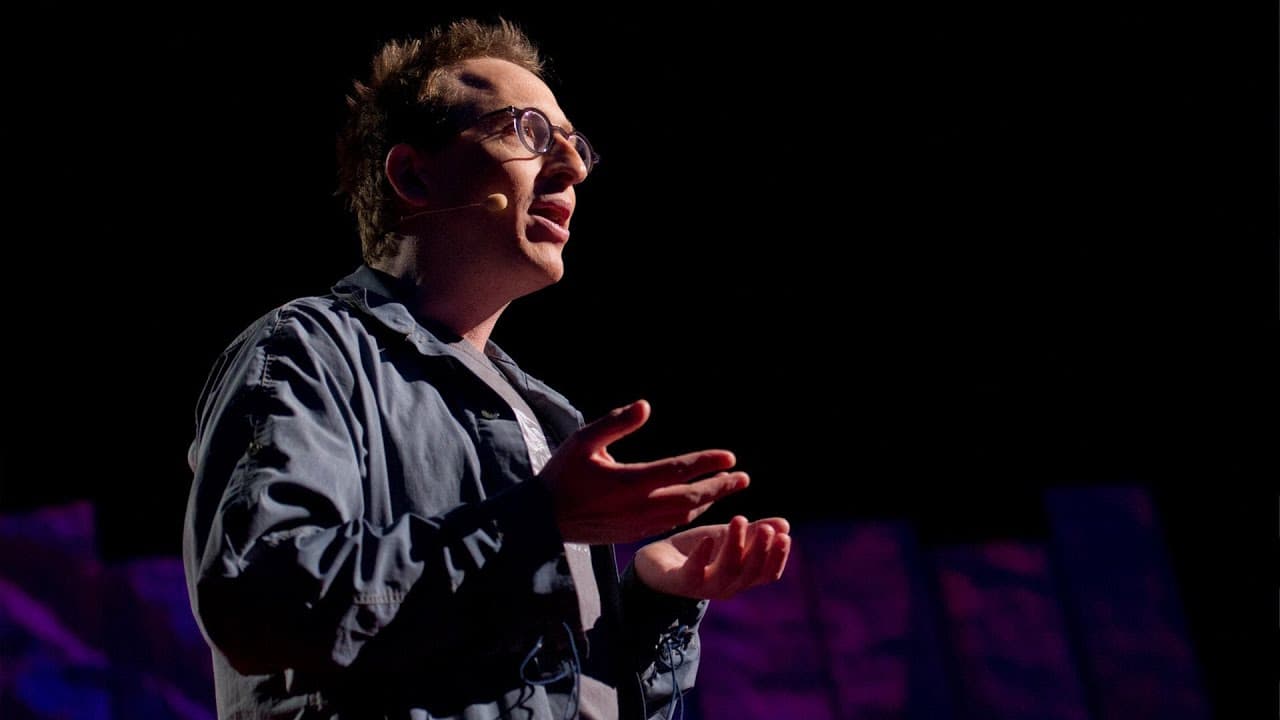
Translator: Timothy Covell Reviewer: Morton Bast The story starts: I was at a friend's house, and she had on her shelf a copy of the DSM manual, which is the manual of mental disorders. It lists every known mental disorder. And it used to be, back in the '50s, a very slim pamphlet. And then it got bigger and bigger and bigger, and now it's 886 page... Read More
Key Insights
- 📚 The DSM manual has grown exponentially over the years, raising questions about the over-diagnosis of mental disorders and the potential labeling of normal human behavior.
- 💊 The speaker's self-diagnosis reveals a humorous perspective on mental disorders, highlighting the subjectivity of diagnosis and the need for professional expertise.
- 🛠️ The Scientologists aim to discredit psychiatry, claiming it to be a pseudo-science. Their interest in Broadmoor, a hospital for the criminally insane, raises questions about their agenda.
- 🚶 Tony's story about faking madness to avoid imprisonment in Broadmoor sheds light on the challenges of convincing others of one's sanity, showcasing the flaws in mental health assessments.
- ⚠️ Faking mental illness effectively can actually be seen as evidence of a genuine psychological disorder, highlighting the complexity of diagnosing disorders such as psychopathy.
- 💼 Capitalism may reward psychopathic traits due to its emphasis on self-interest and lack of empathy, leading to concerns about the prevalence of psychopaths in leadership positions.
- 🔎 Journalists often focus on the extreme aspects of individuals' personalities, overlooking their normal qualities, contributing to the over-diagnosis and sensationalization of mental disorders.
- 💡 The gray areas of mental health, like Tony's gray area of being a semi-psychopath, challenge the black-and-white nature of mental disorder classification, emphasizing the complexity and humanity in individuals.
Install to Summarize YouTube Videos and Get Transcripts
Explore YouTube Video Summarizer or Get YouTube Transcript Extractor
Questions & Answers
Q: What is the DSM manual and how has it changed over time?
The DSM manual is the manual of mental disorders that lists every known mental disorder. It has expanded significantly over the years, growing from a slim pamphlet in the 1950s to 886 pages long in its current form, listing 374 mental disorders.
Q: How many mental disorders does the speaker believe they have?
The speaker believes they have 12 mental disorders, including generalized anxiety disorder, nightmare disorder, parent-child relational problems, and malingering.
Q: Who does the speaker have lunch with to discuss their view of psychiatry?
The speaker has lunch with a man named Brian, who is part of a group of Scientologists called the CCHR that aims to undermine psychiatry.
Q: What is the story of Tony, the man the speaker meets in Broadmoor?
Tony faked madness to avoid a prison sentence, but ended up in Broadmoor, a hospital for the criminally insane. He is convinced that he is not mentally ill, but the clinicians there believe he is a psychopath. His attempts to act normal, such as discussing a scientific article, are misinterpreted as signs of his mental illness.
Q: What connection does the speaker make between psychopathy and capitalism?
The speaker argues that capitalism rewards psychopathic behavior, such as lack of empathy, glibness, and manipulation. They suggest that capitalism itself can be seen as a form of psychopathy that affects society as a whole.
Q: How does the speaker's perception change after interacting with Al Dunlap?
The speaker realizes that their obsession with identifying psychopathic traits has made them overlook the normal aspects of Al Dunlap's personality. They reflect on how journalists often focus on the sensational rather than the ordinary aspects of an individual's character.
Q: What happens to Tony after his release from Broadmoor?
Tony lives a relatively normal life for 20 months, but eventually goes back to jail for a month after a bar "fracas." Although this setback may seem concerning, it is emphasized that the complexity and humanity of individuals should not be defined solely by their extreme actions.
Summary & Key Takeaways
-
The DSM manual, a manual of mental disorders, has significantly increased in size over the years, listing currently 374 mental disorders.
-
The speaker meets a man named Tony who faked madness to avoid prison, but ended up being diagnosed as a psychopath.
-
Capitalism at its most ruthless rewards psychopathic behavior, and some CEOs and business leaders may be psychopaths.
Read in Other Languages (beta)
Share This Summary 📚
Summarize YouTube Videos and Get Video Transcripts with 1-Click
Try YouTube Summary with ChatGPT & Claude or YouTube Transcript Generator
Explore More Summaries from TED 📚




Summarize YouTube Videos and Get Video Transcripts with 1-Click
Try YouTube Summary with ChatGPT & Claude or YouTube Transcript Generator