FSRDC 2017 PHS Symposium
TL;DR
Researchers discuss the benefits and challenges of using census data and research data centers for their projects.
Transcript
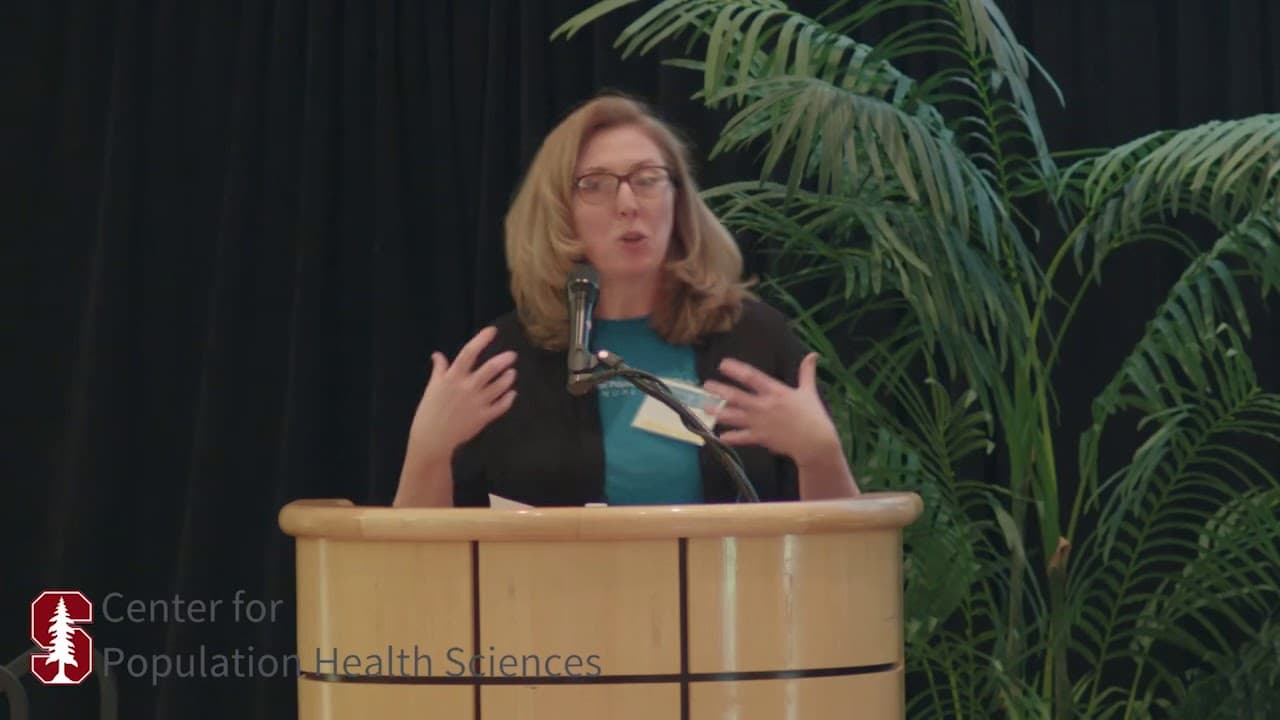
one of the one of the extraordinary privileges you get in in running a Center here at Stanford is to be able to identify fabulous opportunities for recruitment doesn't happen very often but this year we did have an incredible niche opportunity possibly related to the events of last November I who's to say but we did become aware through many collea... Read More
Key Insights
- 👻 Census data and research data centers provide researchers with access to unique and large-scale datasets that allow for in-depth analysis and valuable insights.
- 👨🔬 Despite the challenges and time-consuming nature of gaining access to the data, the benefits outweigh the costs for researchers, as the data enables them to answer research questions that would not be possible with other data sources.
- 👨🔬 The census data and RDCs have been used in various research projects, including studies on management practices, bankruptcy, and intergenerational mobility.
- 😒 The use of administrative data from the Census Bureau enables researchers to address important societal issues and contribute to evidence-based policymaking.
Install to Summarize YouTube Videos and Get Transcripts
Explore YouTube Video Summarizer or Get YouTube Transcript Extractor
Questions & Answers
Q: How long does it take to gain approval and access to census data and RDCs?
The process can take up to two years, including proposal approval and background investigations. However, it is worth noting that different data sets have different approval processes with varying timelines.
Q: Are there concerns about data confidentiality and security?
The Census Bureau takes data security and confidentiality seriously. Researchers are subject to security clearance and are not allowed to share data with others. The Bureau also has measures in place to prevent disclosure and protect individual information.
Q: Is there support for promoting openness and reproducibility in research using census data?
Efforts are being made to promote open science and reproducibility, but the balance between data access and confidentiality must be maintained. Solutions such as persistent identifiers for datasets and data citation are being explored to improve transparency in research.
Summary & Key Takeaways
-
The panelists, Nick Bloom and Jonathan Fisher, have used census data and research data centers (RDC) for their projects, focusing on topics such as management practices, bankruptcy, and intergenerational mobility.
-
They highlight the benefits of having access to large-scale and unique data sets like those provided by the Census Bureau, which allows for in-depth analysis and answering research questions that would not be possible with other data sources.
-
Despite the challenges and time-consuming process of gaining access to the data, both panelists believe that their projects have been worthwhile, as the data has allowed them to produce impactful research.
Read in Other Languages (beta)
Share This Summary 📚
Summarize YouTube Videos and Get Video Transcripts with 1-Click
Try YouTube Summary with ChatGPT & Claude or YouTube Transcript Generator
Explore More Summaries from Stanford 📚





Summarize YouTube Videos and Get Video Transcripts with 1-Click
Try YouTube Summary with ChatGPT & Claude or YouTube Transcript Generator