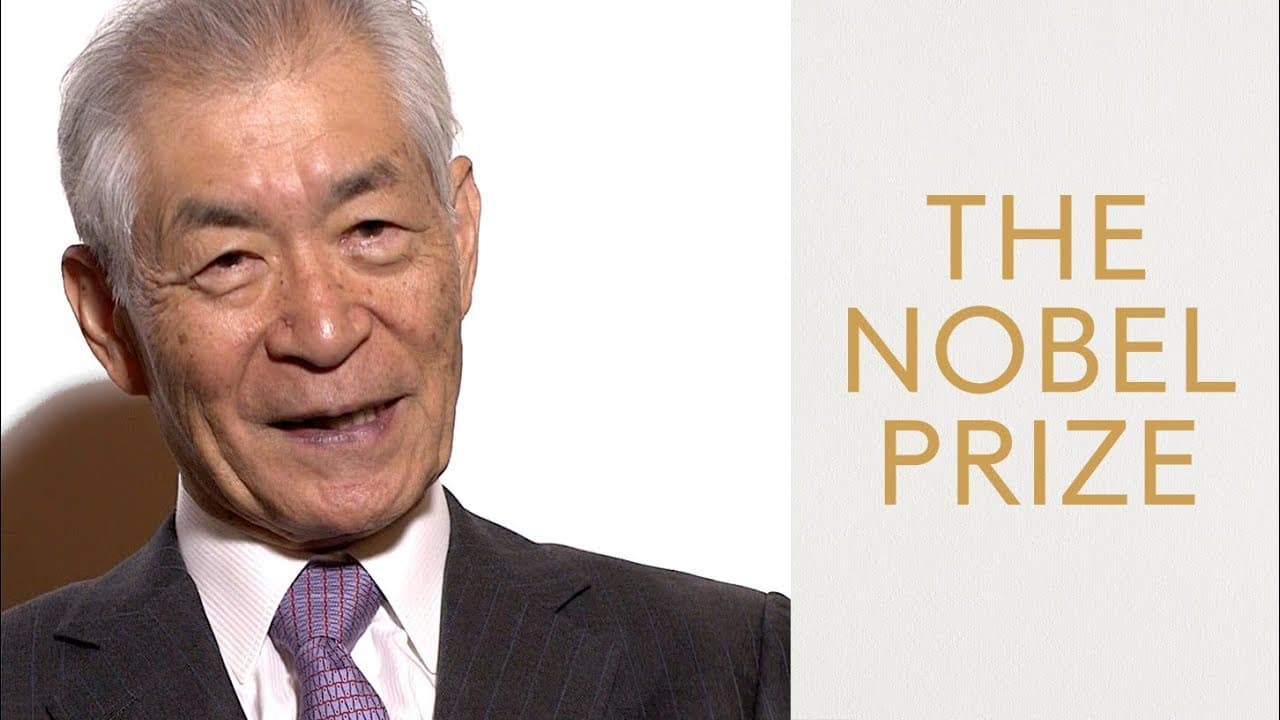
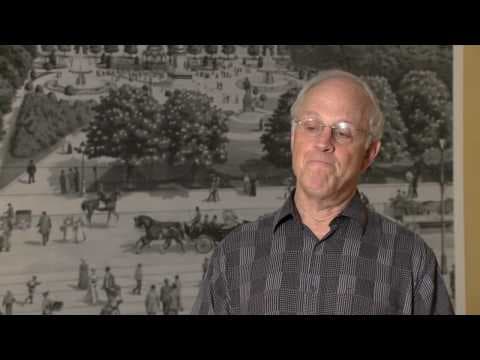
Tasuku Honjo, Nobel Prize in Physiology or Medicine 2018: Official interview
TL;DR
Cancer immunotherapy long failed because researchers tried to push the immune system's accelerator while tumors kept it under a strong brake. Tasuku Honjo demonstrated that PD-1 blockade releases that brake and can cure cancer in animal models, and the therapy now treats melanoma, lung, renal, and stomach cancers. Response rates remain 20 to 30 percent, so much work still lies ahead.
Transcript
the first message I received from another foundation was by telephone call it was around the 5:00 p.m. of October 1st and actually people told me something happens maybe before 4 o'clock so we are completely free out of these things and we're concentrating with my colleague about the our paper in the manuscript editing and suddenly my secretary cam... Read More
Key Insights
- Cancer immunotherapy failed for decades because scientists did not realize the immune system is already suppressed by tumor growth, so pushing the immune accelerator while a strong brake is applied cannot drive the immune response forward.
- PD-1 blockade works by releasing a major negative regulator, or brake, on the immune system, which Honjo demonstrated can cure cancer in animal models after first discovering the PD-1 molecule itself.
- PD-1 is less toxic than CTLA-4 blockade and is now used across a wide spectrum of tumors including melanoma, lung cancer, renal cancer, and stomach cancer, giving it a slight advantage despite CTLA-4's stronger activity.
- The current therapy is still incomplete, with only 20 to 30 percent of patients responding, but Honjo views this as just the beginning as many scientists in industry have joined the field.
- Good science requires three C's of curiosity, courage, and challenge, followed by a second set of concentrate, continue, and confidence, which Honjo teaches his students as the path to becoming a good scientist.
- Diversity in gender, nationality, culture, and age matters in life science because nobody knows which target is best, so everyone must think differently and discuss ideas to find the right mountain to climb.
- Honjo made two major scientific contributions: discovering the molecular mechanism for antibody diversity through class switch recombination and somatic mutation, and discovering the PD-1 brake and its application to cancer immunotherapy.
- Honjo's earlier discovery of AID for antigen-induced antibody memory connects to his cancer work because immunotherapy depends on gut microbiota, which AID and another molecule collaborate to maintain for homeostasis and anti-tumor immunity.
Install to Summarize YouTube Videos and Get Transcripts
Explore YouTube Video Summarizer or Get YouTube Transcript Extractor
Questions & Answers
Q: How did Tasuku Honjo find out he won the Nobel Prize?
Honjo received a telephone call around 5:00 p.m. on October 1st while he was editing a manuscript with a colleague, completely unaware anything was happening. His secretary entered with a stiff face and told him to take the phone. The caller identified himself as Dr. Perlman, and they had a pleasant conversation. Because Honjo knew fake calls sometimes occur, he asked for a confirming email, which arrived and proved the news was real.
Q: Why did Tasuku Honjo decide to become a scientist and doctor?
Several reasons shaped his path. He was strongly influenced by his father and family reasons to attend medical school over law or other options. He read the biography of Hideo Noguchi, a striking figure who became a Rockefeller Institute professor in his 20s, discovered a cause of paralysis, and died in Ghana studying the yellow fever pathogen. Finally, a close friend died acutely of stomach cancer, leaving Honjo sad and determined to do something for such diseases.
Q: How does PD-1 blockade cure cancer and why did earlier immunotherapy fail?
Earlier cancer immunotherapy failed because researchers did not realize the immune system is already suppressed by tumor growth. Pushing the immune system's accelerator while it is under a strong brake cannot drive the response forward. Success came only from finding the major immune negative regulator, or brake. Jim Allison first showed CTLA-4 blockade cures cancer in animal models, and Honjo demonstrated PD-1 blockade can also cure cancer, releasing the brake to let the immune system attack the tumor.
Q: What types of cancer does PD-1 blockade treat and how effective is it?
PD-1 blockade is now used across a wide spectrum of tumors, starting from melanoma and including lung cancer, renal cancer, and stomach cancer. It is less toxic than CTLA-4 blockade, giving it a slight advantage, though CTLA-4 has very strong activity that is sometimes too strong with stronger side effects. The treatment is still incomplete, with only 20 to 30 percent of patients responding, so Honjo says there is a long way to go despite this being just the beginning.
Q: What patient stories did Tasuku Honjo share about the cancer therapy?
Honjo, though not a clinician, was involved in clinical trials. One woman with a big ovarian tumor was considered hopeless by doctors, but she recovered nearly five years ago after a one-year treatment and remains tumor free, even playing golf. Honjo also had a golfing friend with lung cancer who said one round would be his last, but after starting Honjo's therapy he was completely cured and returned to play about half a year later.
Q: What qualities does Tasuku Honjo say you need to be a successful scientist?
Honjo teaches three C's: curiosity, courage, and challenge. Without curiosity you should choose something else. Solving something new is difficult, which is why it remains unknown, so you need courage to tackle hard problems, and that is a challenge. He then names a second set of three C's: once you decide to tackle a problem you must concentrate and continue, and eventually you build up confidence. This is what he tells his students.
Q: Why does Tasuku Honjo believe diversity is important for research?
In life science, nobody knows exactly where the best target is or which mountain to climb, so many things must be tried. For that purpose everyone must think differently and hold discussions, which is why diversity including gender, nationality, different culture, and age matters. Honjo notes that brave young people with fresh ideas are good, and that each person brings more experience, making a diverse mix very important for fruitful research.
Q: What does Tasuku Honjo consider his greatest scientific achievements?
Honjo cites two major contributions. First, he found the molecular mechanism for antibody diversity, namely antigen-induced antibody diversity through class switch recombination and somatic mutation. Second, he discovered the PD-1 brake and its application to cancer immunotherapy. He notes these two lines are now converging, since immunotherapy depends heavily on gut microbiota, and the AID molecule he discovered works with another molecule to maintain gut microbiota, important for homeostasis and anti-tumor immunity.
Summary
In this video, the speaker discusses their experience of receiving the first message from another foundation about winning a prestigious prize. They also talk about the reasons they chose to go to medical school and their interest in cancer immunotherapy. The speaker explains the importance of understanding the immune system's suppression by tumors and how their research focused on pushing the accelerator of the immune system while inhibiting the major immune negative regulator. They share their experiences of seeing patients who were saved by the therapy they developed and express hopes for wider use of this treatment in the future. The speaker emphasizes the importance of diversity in scientific thinking and advises aspiring scientists to have curiosity, courage, and concentration. They also talk about the personal turning points in their life and the mentors who influenced their scientific career. The video concludes with the speaker discussing their contributions to the field of antibody diversity and cancer immunotherapy, as well as their family and administrative work.
Questions & Answers
Q: How did the speaker find out about receiving the award?
The speaker received a telephone call from another foundation, followed by an email confirmation. They were initially unsure if it was good or bad news, but it turned out to be a real and exciting moment in their life.
Q: What were the reasons behind the speaker's decision to go to medical school?
The speaker's decision to go to medical school was influenced by their father, as well as their own interest in the field. They were also inspired by the biography of Hideo Noguchi, a doctor who made significant contributions to medicine and died during his study on yellow fever.
Q: What was the breakthrough of the speaker's research on cancer immunotherapy?
The speaker's research focused on understanding that the immune system was suppressed by tumor growth, and they discovered a major immune negative regulator called PD-1. They demonstrated that blocking PD-1 could cure cancer in animal models and later found that PD-1 blockade could also cure cancer in humans. This discovery led to the development of a therapy that is less toxic and has a wider spectrum of tumors it can treat compared to another immune negative regulator, C therefore.
Q: What was the most moving experience for the speaker in their scientific career?
The speaker shares that the most moving experience in their scientific career was when they saw patients who were saved by the therapy they developed. This made them feel that their life had meaning and touched them deeply.
Q: Can the speaker share any examples of patients who benefited from the therapy?
The speaker mentions a lady with ovarian cancer who was initially thought to be hopeless but recovered after one year of treatment. She has been tumor-free for almost five years and is enjoying her life, even playing golf. They also mention a friend who had lung cancer and was cured after starting the treatment they developed.
Q: What is the current status of the speaker's treatment?
The speaker states that the treatment is still not complete and that only 20 to 30 percent of patients respond to it. They acknowledge that there is a long way to go but express hope that with the involvement of many scientists in the industry, the therapy will become widely used and accessible to almost everybody by the end of the century.
Q: Why does the speaker believe diversity is important in scientific thinking?
The speaker believes that diversity, including different ideas, gender, nationality, culture, and age, is important in scientific thinking because it allows for more perspectives and discussions. They mention the importance of having young and brave people as well as experienced individuals in the field.
Q: What does the speaker advise to become a good scientist?
The speaker advises aspiring scientists to have curiosity, courage, and concentration. They emphasize the importance of curiosity and the willingness to tackle difficult problems with courage. They also stress the need to concentrate and continue the work, eventually building confidence.
Q: How does the speaker maintain their curiosity as a scientist?
The speaker says that they never tried to keep their curiosity as it comes from inside. They find everything they learn to be interesting and ask themselves why it is so. They believe that curiosity is endless and comes naturally.
Q: What were the turning points in the speaker's life?
The speaker shares two turning points in their life. The first was when they were enchanted by the sight of a tiny ring around Saturn through a telescope in elementary school, which sparked their interest in astronomy. However, they later switched to medicine after reading a biography of Hideo Noguchi. The second turning point was when they had to make the decision to stay in the United States or return to Japan, ultimately choosing to go back to Japan.
Takeaways
In summary, this video provides insights into the speaker's experience of receiving a prestigious award, their journey into medical school, and their groundbreaking research on cancer immunotherapy. They discuss the importance of understanding the immune system's suppression by tumors and the discovery of major immune negative regulators. The speaker shares touching moments of seeing patients saved by their therapy and expresses hope for wider use of the treatment in the future. They emphasize the significance of diversity in scientific thinking and offer advice for aspiring scientists. Lastly, the speaker reflects on their turning points in life and the importance of mentors in their scientific career.
Summary & Key Takeaways
-
Honjo learned of his Nobel Prize through a phone call around 5:00 p.m. on October 1st while editing a manuscript with a colleague. Aware that fake calls happen, he asked Dr. Perlman to send a confirming email, which proved real, prompting celebration with his lab and family.
-
He became a scientist influenced by his father and family, by reading the biography of Hideo Noguchi who became a Rockefeller Institute professor and died in Ghana studying yellow fever, and by losing a friend to acute stomach cancer, which made him want to help fight such diseases.
-
PD-1 blockade releases the immune system's brake to fight cancer and now treats many tumor types. Honjo cites patients saved by the therapy, including a woman with ovarian tumor who remained tumor-free for nearly five years and a golfer with lung cancer who was completely cured.
Read in Other Languages (beta)
Share This Summary 📚
Summarize YouTube Videos and Get Video Transcripts with 1-Click
Try YouTube Summary with ChatGPT & Claude or YouTube Transcript Generator
Explore More Summaries from Nobel Prize 📚

Summarize YouTube Videos and Get Video Transcripts with 1-Click
Try YouTube Summary with ChatGPT & Claude or YouTube Transcript Generator