Attacking Metastatic Breast Cancer with Dark Matter (16th Women's Partnership for Science Luncheon)
TL;DR
Innovative research on non-coding RNAs offers hope for metastatic breast cancer treatment.
Transcript
Thank you so much for that kind introduction and it's my great pleasure to be this years speaker for the Women's Partnership in Science luncheon I just figured I'd that I actually have something in common with the honorary Freddie Stallar I think we work out of the same CrossFit gym. I didn't know that until now so thats a coincidence, maybe not. S... Read More
Key Insights
- Sarah Diermeier discussed her journey from Regensburg, Germany to Cold Spring Harbor Laboratory, highlighting the lab's international reputation and her personal connection to the community.
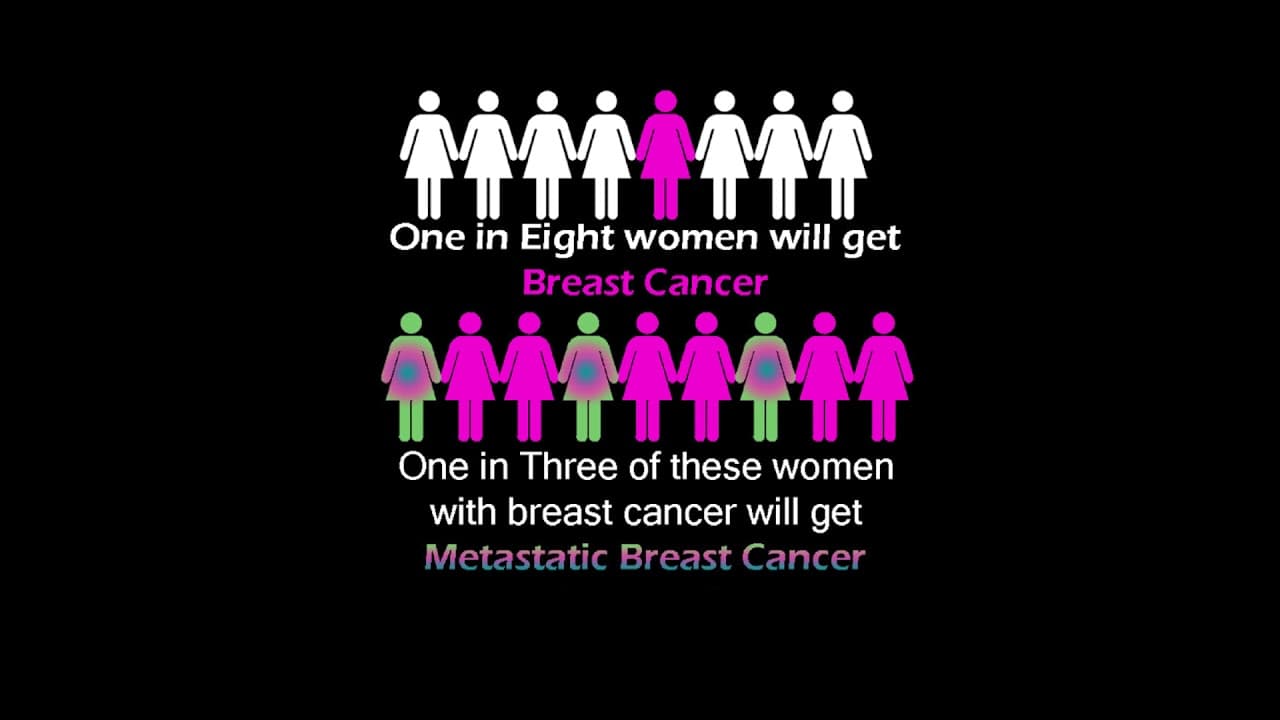
- Metastatic breast cancer affects one in three women diagnosed with breast cancer, spreading to vital organs like the brain and lungs, making it a critical area of research.
- Current breast cancer treatments focus on the third of human genes that code for proteins, leaving two-thirds, including non-coding RNAs, largely unexplored.
- Diermeier's research focuses on long non-coding RNAs, which make up a significant portion of the human genome and may hold keys to better cancer treatments.
- The research aims to develop drugs targeting cancer-specific non-coding RNAs, potentially reducing side effects by sparing healthy cells.
- Antisense oligonucleotides are designed to bind specifically to cancer-causing RNAs, triggering cellular mechanisms to eliminate them.
- Experimental treatments have shown promising results in reducing tumor aggressiveness and metastasis in both organoids and mouse models.
- A task force has been formed to accelerate the transition of these promising research findings into clinical trials.
Install to Summarize YouTube Videos and Get Transcripts
Explore YouTube Video Summarizer or Get YouTube Transcript Extractor
Questions & Answers
Q: What is the main focus of Sarah Diermeier's research?
Sarah Diermeier's research primarily focuses on metastatic breast cancer, specifically targeting long non-coding RNAs. These RNAs, which do not code for proteins, have been largely unexplored in traditional cancer research. Her work aims to develop new treatments that specifically target cancer cells, potentially reducing side effects associated with conventional therapies.
Q: Why are non-coding RNAs significant in cancer research?
Non-coding RNAs are significant in cancer research because they constitute a large portion of the human genome that has been overlooked in traditional studies. While most current treatments target protein-coding genes, non-coding RNAs may hold the key to developing more effective and less harmful cancer therapies by targeting cancer-specific mechanisms.
Q: How does the new treatment approach work?
The new treatment approach involves using antisense oligonucleotides to bind specifically to cancer-causing non-coding RNAs. This binding triggers cellular mechanisms that eliminate these RNAs, thereby reducing tumor aggressiveness and metastasis. The approach aims to target cancer cells specifically, minimizing damage to healthy cells and reducing side effects.
Q: What results have been observed in preclinical models?
In preclinical models, including organoids and mouse models, the new treatment approach has shown promising results. It has been effective in reducing the aggressiveness of tumors and significantly decreasing metastasis. This success has led to the formation of a task force to accelerate the transition of these findings into clinical trials.
Q: What is the potential impact of Diermeier's research on cancer treatment?
Diermeier's research has the potential to revolutionize cancer treatment by introducing therapies that target non-coding RNAs. This could lead to more effective treatments with fewer side effects, offering new hope for patients with metastatic breast cancer. The research aims to fill gaps left by current treatments that focus only on protein-coding genes.
Q: How does the research address side effects associated with cancer treatment?
The research addresses side effects by developing treatments that specifically target cancer cells, sparing healthy cells. Traditional chemotherapy affects all dividing cells, leading to side effects like hair loss and nausea. By focusing on non-coding RNAs specific to cancer cells, the new approach aims to reduce these adverse effects significantly.
Q: What is the significance of the task force formed by David Spector?
The task force formed by David Spector is significant because it aims to expedite the translation of Diermeier's promising research findings into clinical trials. Comprising top breast oncologists and researchers, the task force's goal is to bring these innovative treatments to patients as soon as possible, potentially transforming cancer care.
Q: What challenges does metastatic breast cancer present?
Metastatic breast cancer presents significant challenges because it involves the spread of cancer to vital organs like the brain, lungs, and liver. This spreading makes it harder to treat and increases the urgency for new, effective therapies. Diermeier's research focuses on developing treatments that specifically target these aggressive cancer forms.
Summary & Key Takeaways
-
Sarah Diermeier shared her personal journey and research at Cold Spring Harbor Laboratory, focusing on the unique approach to metastatic breast cancer treatment. Her work emphasizes the potential of non-coding RNAs, which have been largely overlooked in traditional cancer research.
-
The research targets long non-coding RNAs, aiming to develop treatments that specifically target cancer cells, potentially reducing the severe side effects associated with conventional chemotherapy. This innovative approach has shown significant promise in preclinical models.
-
Diermeier's findings have led to the formation of a task force to expedite clinical trials. The goal is to translate these laboratory successes into effective treatments for metastatic breast cancer, offering new hope to patients worldwide.
Read in Other Languages (beta)
Share This Summary 📚
Summarize YouTube Videos and Get Video Transcripts with 1-Click
Try YouTube Summary with ChatGPT & Claude or YouTube Transcript Generator
Explore More Summaries from Cold Spring Harbor Laboratory 📚
Summarize YouTube Videos and Get Video Transcripts with 1-Click
Try YouTube Summary with ChatGPT & Claude or YouTube Transcript Generator