How Does Epigenetics Influence Cancer Therapy?
TL;DR
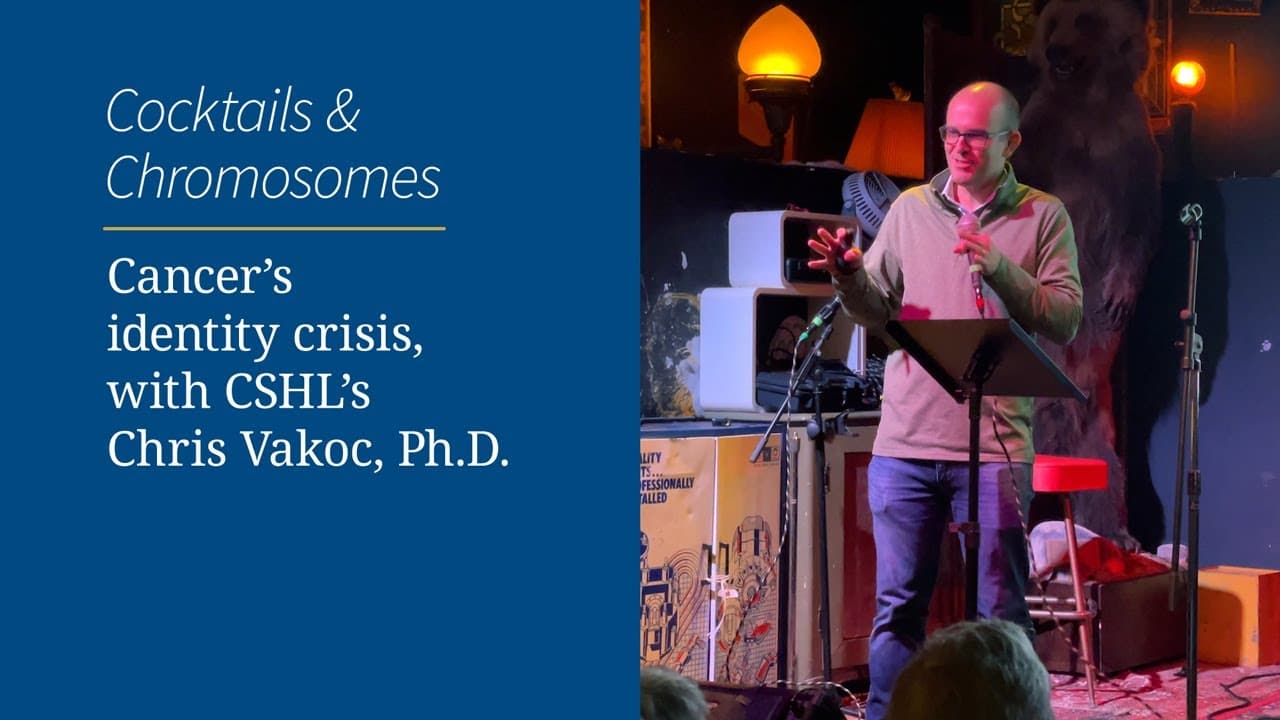
Epigenetics plays a crucial role in cancer development and treatment. By understanding how genes are turned on and off, researchers can develop targeted therapies that exploit a cancer cell's identity, potentially leading to more effective and safer treatments compared to traditional methods like chemotherapy.
Transcript
[music] [applause] Well, thank you so much, everyone for coming out here today. It’s really a pleasure to tell you about the research I'm doing in the lab. A lot of what I'll talk about is cancer biology or cancer therapeutic research. But I thought I'd start with, for me, where it really all begins— 11 00:00:32,766 --> 00:00:36,536 really why I ha... Read More
Key Insights
- Epigenetics is the study of how genes are turned on and off in specific cell types, influencing cell identity and function.
- Cancer cells can change their identity through epigenetic modifications, affecting their behavior and treatment response.
- Targeted cancer therapies can exploit the epigenetic identity of cancer cells, offering more precise and less harmful treatment options.
- Pancreatic cancer cells can acquire characteristics of skin cells, which is associated with a more aggressive disease and poorer prognosis.
- Differentiation therapy aims to revert cancer cells to their normal cell state, offering a potential alternative to chemotherapy.
- Acute myeloid leukemia treatment has advanced with drugs targeting epigenetic mechanisms, showing promise in clinical trials.
- Research at Cold Spring Harbor focuses on discovering new targets for cancer therapies by understanding molecular machines inside cells.
- Community involvement and patient stories can drive research into less common cancers, such as rhabdomyosarcoma, to develop novel treatment strategies.
Install to Summarize YouTube Videos and Get Transcripts
Explore YouTube Video Summarizer or Get YouTube Transcript Extractor
Questions & Answers
Q: How does epigenetics influence cancer cell identity?
Epigenetics influences cancer cell identity by regulating which genes are turned on or off in specific cell types. This regulation is crucial for maintaining normal cell functions, but in cancer, epigenetic changes can lead to abnormal cell behavior, such as uncontrolled growth and resistance to treatment. Understanding these mechanisms allows researchers to develop targeted therapies that exploit the unique identity of cancer cells.
Q: What role does epigenetics play in cancer therapy?
Epigenetics plays a significant role in cancer therapy by providing insights into how cancer cells can be targeted based on their specific gene expression patterns. By manipulating the epigenetic state of cancer cells, therapies can be developed to either suppress tumor growth or revert cancer cells to a normal state, potentially offering more precise and less toxic treatment options compared to traditional chemotherapy.
Q: Why is pancreatic cancer more aggressive when it resembles skin cells?
Pancreatic cancer becomes more aggressive when it resembles skin cells due to changes in its epigenetic state, which alter gene expression patterns. These changes can enhance the tumor's metastatic potential and resistance to chemotherapy, leading to poorer patient outcomes. Understanding these mechanisms is crucial for developing strategies to counteract this aggressive behavior.
Q: How can differentiation therapy help treat leukemia?
Differentiation therapy aims to treat leukemia by reprogramming cancerous white blood cells to resume their normal development into mature, non-dividing cells. This approach can potentially reduce the cancer's ability to proliferate and evade the immune system, offering an alternative to traditional chemotherapy that targets rapidly dividing cells indiscriminately.
Q: What are the challenges in developing epigenetic-based cancer therapies?
Developing epigenetic-based cancer therapies involves understanding the complex molecular mechanisms that regulate gene expression in cancer cells. Challenges include identifying specific targets that can be safely manipulated, ensuring that therapies do not disrupt normal cell functions, and translating laboratory findings into effective clinical treatments. The process is time-consuming and requires collaboration between researchers and the pharmaceutical industry.
Q: How has research at Cold Spring Harbor advanced cancer treatment?
Research at Cold Spring Harbor Laboratory has advanced cancer treatment by identifying novel epigenetic targets for therapy, particularly in aggressive cancers like acute myeloid leukemia. Their work has led to the development of drugs that reprogram cancer cells' epigenetic state, showing promise in clinical trials. This research highlights the potential for targeted therapies to improve patient outcomes with fewer side effects.
Q: What is the significance of community involvement in cancer research?
Community involvement is significant in cancer research as it can drive attention and funding towards less common cancers, such as rhabdomyosarcoma. Patient stories and local support can motivate researchers to explore new treatment avenues, fostering collaboration and innovation. This involvement ensures that research addresses real-world needs and can lead to breakthroughs that benefit patients directly.
Q: Why is training the next generation of researchers important for cancer research?
Training the next generation of researchers is crucial for sustaining and advancing cancer research. Educating young scientists in cutting-edge techniques and critical thinking ensures the continuation of innovative research efforts. These trained individuals can contribute fresh perspectives and expertise to tackle complex challenges in cancer biology, ultimately leading to new discoveries and improved therapies.
Summary & Key Takeaways
-
Epigenetics is crucial in understanding how genes are regulated in different cell types, impacting cell identity and function. This knowledge is being used to develop targeted cancer therapies that exploit the specific identity of cancer cells, potentially leading to safer and more effective treatments than traditional methods like chemotherapy.
-
Cancer cells can alter their identity through epigenetic changes, which can make them more aggressive or resistant to treatment. Researchers are exploring ways to manipulate these changes to either suppress cancer progression or revert cancer cells to a normal state, providing new avenues for therapy.
-
Cold Spring Harbor Laboratory is at the forefront of cancer research, focusing on the molecular mechanisms that control gene expression. By identifying new therapeutic targets, they aim to develop innovative treatments that can transform cancer care, especially for aggressive and hard-to-treat cancers like pancreatic cancer and acute myeloid leukemia.
Read in Other Languages (beta)
Share This Summary 📚
Summarize YouTube Videos and Get Video Transcripts with 1-Click
Try YouTube Summary with ChatGPT & Claude or YouTube Transcript Generator
Explore More Summaries from Cold Spring Harbor Laboratory 📚

Summarize YouTube Videos and Get Video Transcripts with 1-Click
Try YouTube Summary with ChatGPT & Claude or YouTube Transcript Generator