7 Paths to 2020 Success in Commercial Real Estate
TL;DR
Explore seven strategies for success in commercial real estate.
Transcript
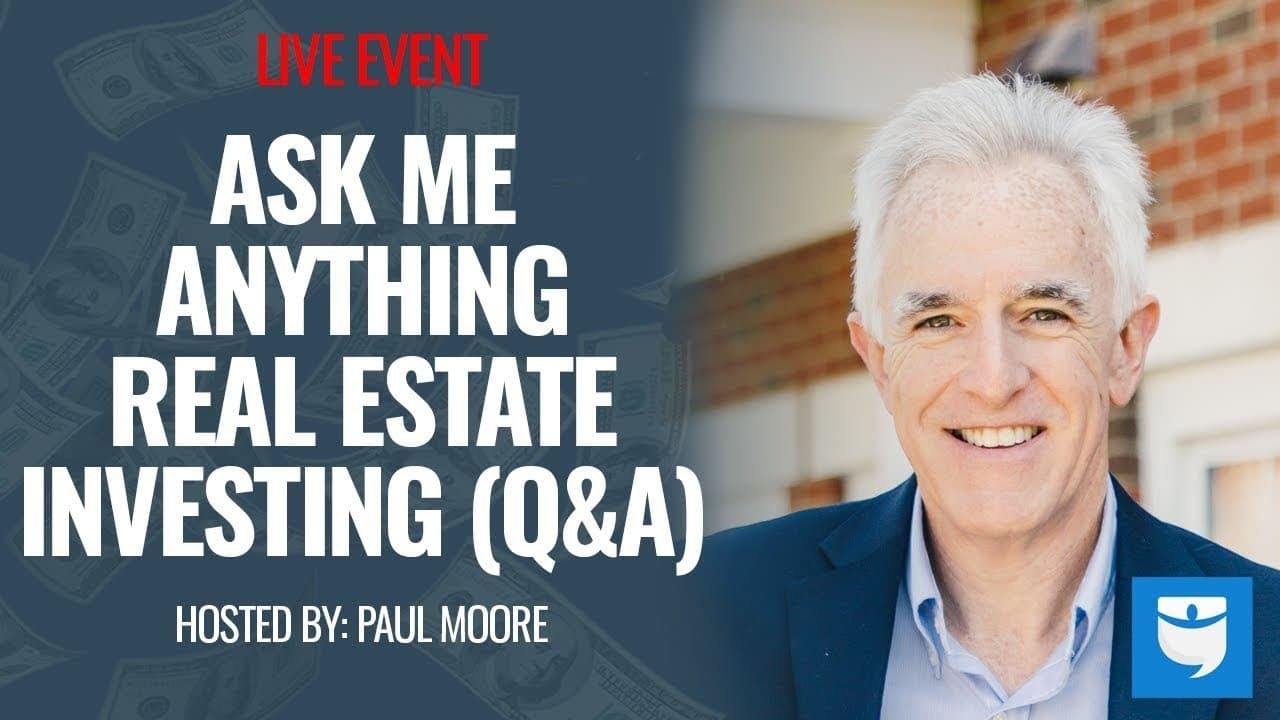
I am waiting looks like I'm live on Facebook I cannot see if I'm live on YouTube so let me know Zach are we live so hey I'm Paul Moore with Wellings capital and BiggerPockets and I'm excited to join you in 2020 for our first live stream of the year Zach I can't see the comments but I can see that we are live on Facebook so hopefully the comments an... Read More
Key Insights
- Starting small and progressively scaling up is a viable strategy in real estate. Begin with single-family homes and gradually move to larger properties.
- Having substantial capital can accelerate entry into commercial real estate, allowing for hiring management teams and outsourcing tasks.
- Deal finders can leverage their network and insights into finding lucrative deals and partner with operators for equity stakes.
- Raising capital legally and ethically is crucial, and understanding SEC regulations is important for those seeking to be money finders.
- Working within the real estate industry, such as becoming a broker or property manager, provides valuable experience and networking opportunities.
- Passive investing allows individuals to benefit from real estate without the operational responsibilities, offering a hands-off approach to wealth building.
- Engaging a coach or mentor can provide guidance and accelerate learning, though it's important to choose reputable and experienced individuals.
- Corporate rentals and Airbnb strategies can be profitable, offering alternatives to traditional renting and appealing to business travelers.
Install to Summarize YouTube Videos and Get Transcripts
Explore YouTube Video Summarizer or Get YouTube Transcript Extractor
Questions & Answers
Q: What is the first path to success in commercial real estate?
The first path to success in commercial real estate is to build slowly. This involves starting with a single-family house, fixing it up, renting it out, selling it, and using the profits to buy progressively larger properties. This strategy allows for gradual scaling and learning through experience.
Q: How can having substantial capital benefit real estate investors?
Having substantial capital, such as a million dollars, allows investors to enter commercial real estate at a higher level. They can hire property managers, outsource asset management, and engage a CPA, which facilitates a more streamlined and professional approach to managing properties.
Q: What role does a deal finder play in real estate investing?
A deal finder identifies lucrative real estate deals and brings them to operators. They leverage their network and insights into the market to find opportunities that others may miss. In return, they can negotiate equity stakes or other benefits for their involvement in the deal.
Q: What are the risks associated with being a money finder in real estate?
Being a money finder involves raising capital for real estate deals, but it comes with significant risks due to SEC regulations. It's crucial to ensure all activities are legal and compliant, and working with attorneys to structure deals correctly is essential to avoid legal issues.
Q: How can working within the real estate industry help aspiring investors?
Working in the real estate industry, such as becoming a broker, lender, or property manager, provides valuable experience and networking opportunities. It helps individuals learn the lingo, understand market dynamics, and build relationships that can be beneficial when starting their own investment ventures.
Q: What are the benefits of passive investing in real estate?
Passive investing allows individuals to earn returns from real estate without the responsibilities of property management. Investors can focus on vetting syndicators or operators upfront and then enjoy the financial benefits with minimal ongoing involvement, making it ideal for busy professionals.
Q: Why is having a mentor or coach recommended in real estate?
A mentor or coach provides guidance, accelerates learning, and helps avoid common pitfalls. They offer personalized advice and can share their experience and insights. Choosing a reputable coach who has a successful track record is crucial for maximizing the benefits of this relationship.
Q: How can corporate rentals and Airbnb be profitable real estate strategies?
Corporate rentals and Airbnb offer alternatives to traditional renting by catering to business travelers and short-term tenants. Investors can furnish properties and offer them as turnkey solutions, often commanding higher rents than long-term leases. This strategy capitalizes on the demand for flexible and convenient accommodation options.
Summary & Key Takeaways
-
Paul Moore discusses seven strategies for achieving success in commercial real estate, emphasizing the importance of starting small and gradually moving to larger investments. He highlights the value of networking and deal finding as a way to gain equity stakes in properties.
-
Moore advises on the potential of passive investing, which allows individuals to earn returns without managing properties. He also suggests working in the industry, such as becoming a broker or property manager, to gain experience and contacts.
-
The discussion includes the importance of legal compliance when raising capital and the benefits of having a mentor or coach. Moore also explores alternative strategies like corporate rentals and Airbnb for generating income in real estate.
Read in Other Languages (beta)
Share This Summary 📚
Summarize YouTube Videos and Get Video Transcripts with 1-Click
Try YouTube Summary with ChatGPT & Claude or YouTube Transcript Generator
Explore More Summaries from BiggerPockets 📚





Summarize YouTube Videos and Get Video Transcripts with 1-Click
Try YouTube Summary with ChatGPT & Claude or YouTube Transcript Generator