Where Did Americans’ Savings Go?
TL;DR
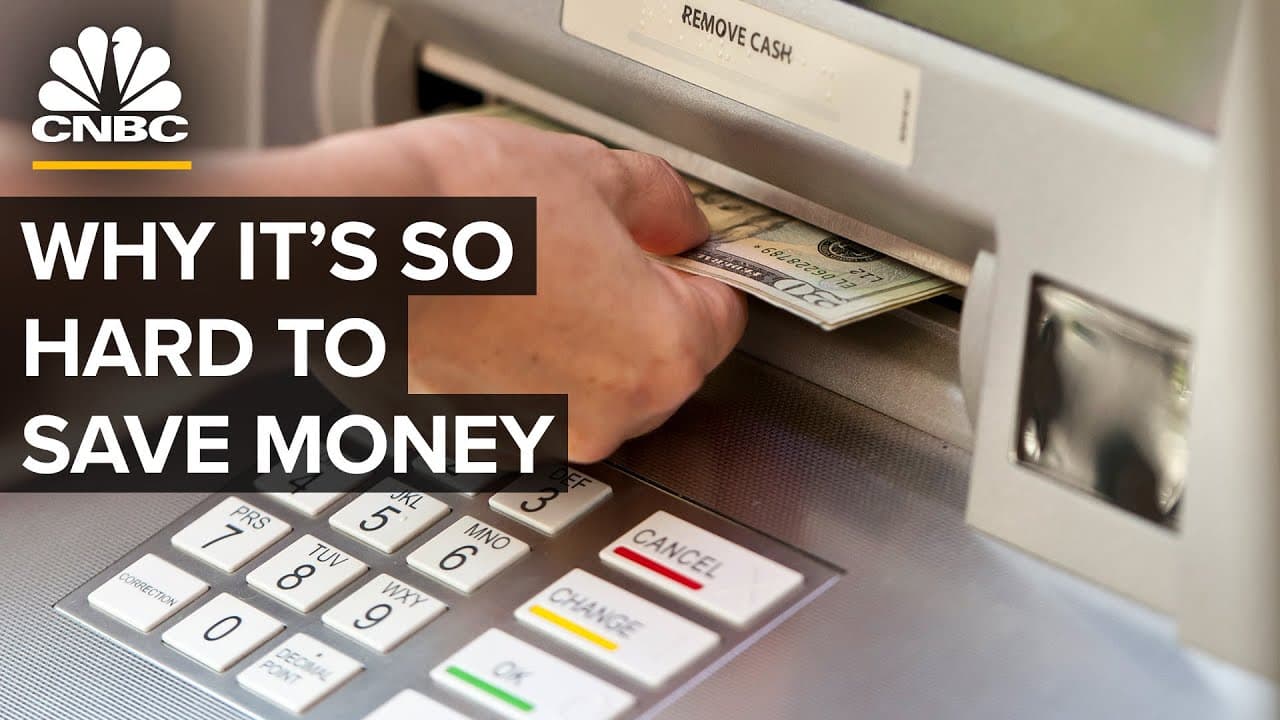
Americans are experiencing financial stress as their personal saving rate declines due to pandemic-related challenges, inflation, and a lack of savings.
Transcript
In 2022, the American personal saving rate fell to a low not seen since the Great Recession. I think a lot of people have been just kind of cooped up during the pandemic times and now we're transitioning plus inflation. So it definitely has been a little bit harder. Economists will look at the savings dynamic and a sort of benign light savings accr... Read More
Key Insights
- 😘 Americans' personal saving rate has decreased, reaching a low point not seen since the Great Recession.
- ☠️ Financial stress is affecting a majority of Americans, with inflation, economic instability, interest rates, and a lack of savings being the main contributors.
- 😘 While Americans collectively have more savings than before the pandemic, the distribution is unequal, with higher earners having significantly more excess savings than lower earners.
- ✊ Inflation is eroding the value of savings, making everyday expenses more burdensome and reducing the purchasing power of people's incomes.
- 😘 The Federal Reserve's low interest rates have backstopped many Americans but have also reduced the returns on savings.
- ✋ High yield savings accounts and other investment options such as certificates of deposit can offer better returns compared to standard savings accounts.
Install to Summarize YouTube Videos and Get Transcripts
Explore YouTube Video Summarizer or Get YouTube Transcript Extractor
Questions & Answers
Q: Why have Americans stopped saving, and what impact will this have on the economy?
Americans have stopped saving due to a combination of pandemic-related challenges, transitioning times, and inflation. This has led to financial stress, but it is still uncertain how this will impact the overall economy.
Q: Are Americans better off financially compared to pre-pandemic times?
Collectively, Americans have more savings than they did prior to the pandemic, but the distribution of these savings is unequal. The top half of earners have significantly more excess savings than the bottom half, but both groups are experiencing the shrinking of their savings due to inflation and spending.
Q: How has inflation affected Americans' savings?
Inflation has eroded the purchasing power of savings, making everyday expenses more expensive. This puts a strain on people's current income and eats into their savings, leading to a decrease in the overall value of savings.
Q: What is the impact of the Federal Reserve's interest rates on savings?
The low interest rates set by the Federal Reserve have backstopped many Americans, making it cheaper to borrow money but reducing the returns on savings. Rising interest rates normally incentivize saving, but the current rates offered by banks are not high enough to generate substantial returns.
Summary & Key Takeaways
-
The American personal saving rate has reached a low point since the Great Recession, with people spending down their savings due to pandemic restrictions, transitioning times, and inflation.
-
Financial stress is affecting 70% of Americans, including 57% of those earning $100,000 or more, with factors such as inflation, economic instability, interest rates, and a lack of savings contributing to the stress.
-
While Americans collectively have more savings than before the pandemic, these cash cushions are starting to deflate, with the negative impact of inflation eroding the value of savings.
Read in Other Languages (beta)
Share This Summary 📚
Summarize YouTube Videos and Get Video Transcripts with 1-Click
Try YouTube Summary with ChatGPT & Claude or YouTube Transcript Generator
Explore More Summaries from CNBC 📚




Summarize YouTube Videos and Get Video Transcripts with 1-Click
Try YouTube Summary with ChatGPT & Claude or YouTube Transcript Generator