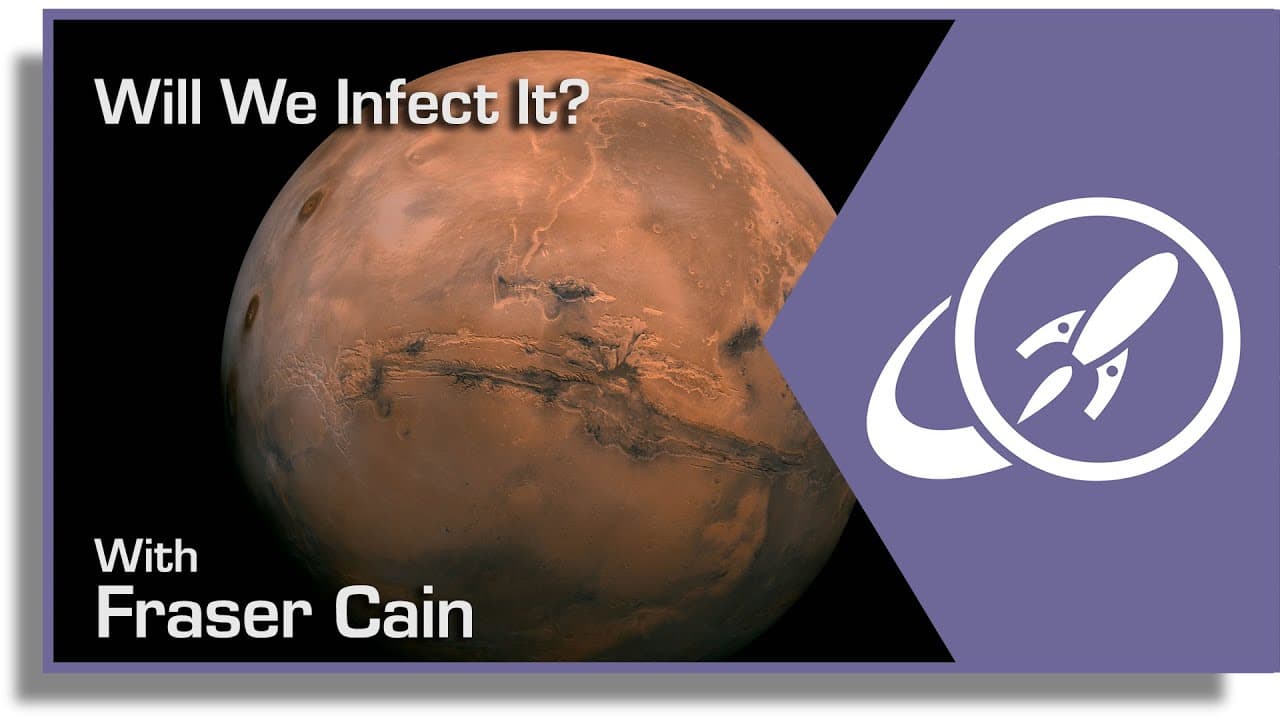
Planetary Protection: What If We Destroy Life Before We Even Find It?
TL;DR
Exploring the risk of Earth contamination on other worlds and the measures taken to prevent it during space missions.
Transcript
explorers have always brought stowaways with them onboard thanks to our travels around the world hardy creatures like rats goats pigs and starlings have found their way to every corner of the globe not to mention our plants microbes and viruses wherever we go life goes with us whether we wanted to or not and when we travel to other worlds it looks ... Read More
Key Insights
- 🌍 Earth's explorations inadvertently introduce hardy life forms to new worlds, hinting at the challenge of preventing contamination during interplanetary missions.
- ❓ NASA's Office of Planetary Protection enforces stringent cleanliness measures to safeguard potential extraterrestrial biospheres from Earth contamination.
- 👻 Mission categories dictate the level of sterilization required for spacecraft based on the target world's potential for hosting life.
- 🤨 SpaceX's goal of colonizing Mars raises concerns about contamination, highlighting the need for careful planning to prevent Earth life from interfering with potential Martian ecosystems.
- 🌱 Future exploration plans advocate for wilderness preservation in the solar system, balancing resource extraction with the protection of potentially pristine environments.
- 🛟 The possibility of finding life elsewhere in the solar system underscores the importance of cautious exploration and colonization practices to avoid contamination and preserve scientific integrity.
- 🌸 Balancing human expansion with environmental preservation poses ethical dilemmas regarding the exploitation of celestial bodies and the potential loss of valuable scientific knowledge.
Install to Summarize YouTube Videos and Get Transcripts
Explore YouTube Video Summarizer or Get YouTube Transcript Extractor
Questions & Answers
Q: How does NASA prevent Earth life from contaminating other worlds during space missions?
NASA's Office of Planetary Protection enforces strict cleanliness protocols, categorizing missions based on contamination risk and requiring thorough spacecraft sterilization before landing on potential life-supporting worlds.
Q: Why is it essential to prevent Earth contamination of other planets?
Contamination could compromise scientific data, colonize new biomes, and outcompete existing life forms, disrupting ecosystems that may hold valuable clues about life beyond Earth.
Q: How does SpaceX's plan to colonize Mars raise concerns about contamination?
While SpaceX aims to establish human colonies on Mars, Earth-originating bacteria and organisms carried by humans pose a risk of contaminating the Red Planet, potentially compromising scientific studies and ecological balance.
Q: What measures are proposed to ensure exploration and settlement of other worlds minimize contamination?
Proposed exploration zones on Mars, strict protocols, and wilderness preservation strategies aim to mitigate contamination risks, allowing for scientific exploration while protecting potential extraterrestrial life forms.
Summary & Key Takeaways
-
Explorers inadvertently carry hardy life forms to new worlds, risking contamination and colonization.
-
NASA's Office of Planetary Protection ensures spacecraft cleanliness to prevent Earth life from interfering with other worlds' environments.
-
Different mission categories dictate the level of sterilization required based on the target world's potential for life.
Read in Other Languages (beta)
Share This Summary 📚
Summarize YouTube Videos and Get Video Transcripts with 1-Click
Try YouTube Summary with ChatGPT & Claude or YouTube Transcript Generator
Explore More Summaries from Fraser Cain 📚




Summarize YouTube Videos and Get Video Transcripts with 1-Click
Try YouTube Summary with ChatGPT & Claude or YouTube Transcript Generator