Are Astronauts Really Weightless?
TL;DR
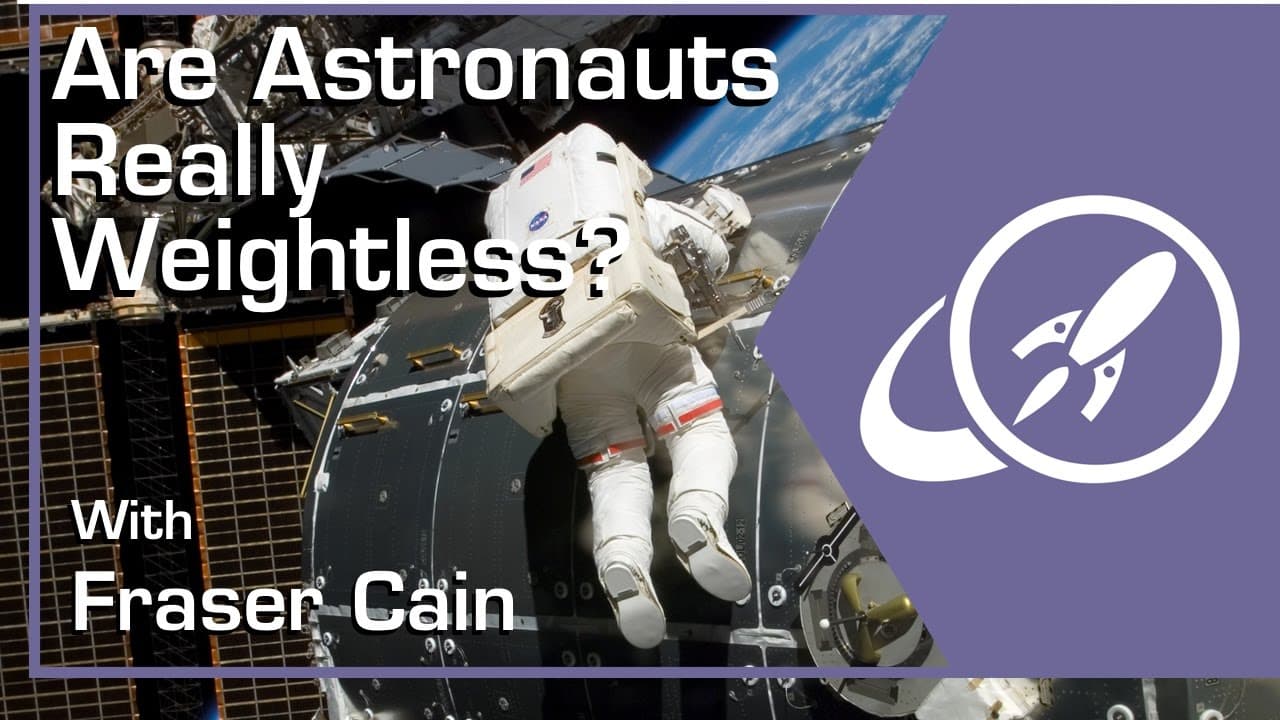
Astronauts appear weightless in space due to falling, not flying, as they orbit Earth at high speeds.
Transcript
Hey look it's a montage of adorable astronauts engaging in hilarious space stuff in zero-gravity look at them throwing bananas playing Bowie songs streaking floating juice balls and generally having a gay old time in the weightlessness of deep space it's a camera in a ball of water you won't believe what happens next or whatever it was they told yo... Read More
Key Insights
- 👨🚀 Weightlessness in space is caused by astronauts falling in orbit around Earth at high speeds.
- 😒 NASA uses the KC-135 aircraft, the vomit comet, to help astronauts train for weightless environments.
- 0️⃣ True zero gravity doesn't exist in the universe as everything is constantly under the influence of gravity.
- 👨🚀 Astronauts experience motion sickness in space initially due to the lack of gravity.
- 🤩 Falling towards a planet or star results in a sensation of weightlessness similar to freefall.
- 👾 The concept of true weightlessness challenges traditional perceptions of gravity in space.
- 🛝 Douglas Adams' quote highlights the essence of flight as learning to miss the ground.
Install to Summarize YouTube Videos and Get Transcripts
Explore YouTube Video Summarizer or Get YouTube Transcript Extractor
Questions & Answers
Q: Why do astronauts appear weightless in space?
Astronauts seem weightless in space because they are falling in orbit around Earth at high speeds. This falling motion causes them to experience the sensation of weightlessness, similar to freefall.
Q: How does NASA simulate weightlessness for astronaut training?
NASA uses the KC-135 aircraft, also known as the vomit comet, to provide astronauts with brief moments of weightlessness. The aircraft creates parabolic flights, allowing passengers to experience the sensation of zero gravity.
Q: Is true zero gravity achievable in space?
True zero gravity, where there is no gravitational pull, doesn't exist in the universe. Even in space, everything experiences some gravitational force, whether it's towards a planet, star, or galaxy.
Q: Why do astronauts sometimes get motion sickness in space?
Many astronauts experience motion sickness in space when they first arrive due to the absence of gravity. It takes time for their bodies to adjust to the sensation of weightlessness, leading to feelings of nausea.
Summary & Key Takeaways
-
Astronauts in space experience weightlessness due to falling in orbit, not flying.
-
NASA uses the KC-135 aircraft to simulate weightlessness for astronaut training.
-
True zero gravity doesn't exist in the universe as everything is constantly falling.
Read in Other Languages (beta)
Share This Summary 📚
Summarize YouTube Videos and Get Video Transcripts with 1-Click
Try YouTube Summary with ChatGPT & Claude or YouTube Transcript Generator
Explore More Summaries from Fraser Cain 📚



Summarize YouTube Videos and Get Video Transcripts with 1-Click
Try YouTube Summary with ChatGPT & Claude or YouTube Transcript Generator