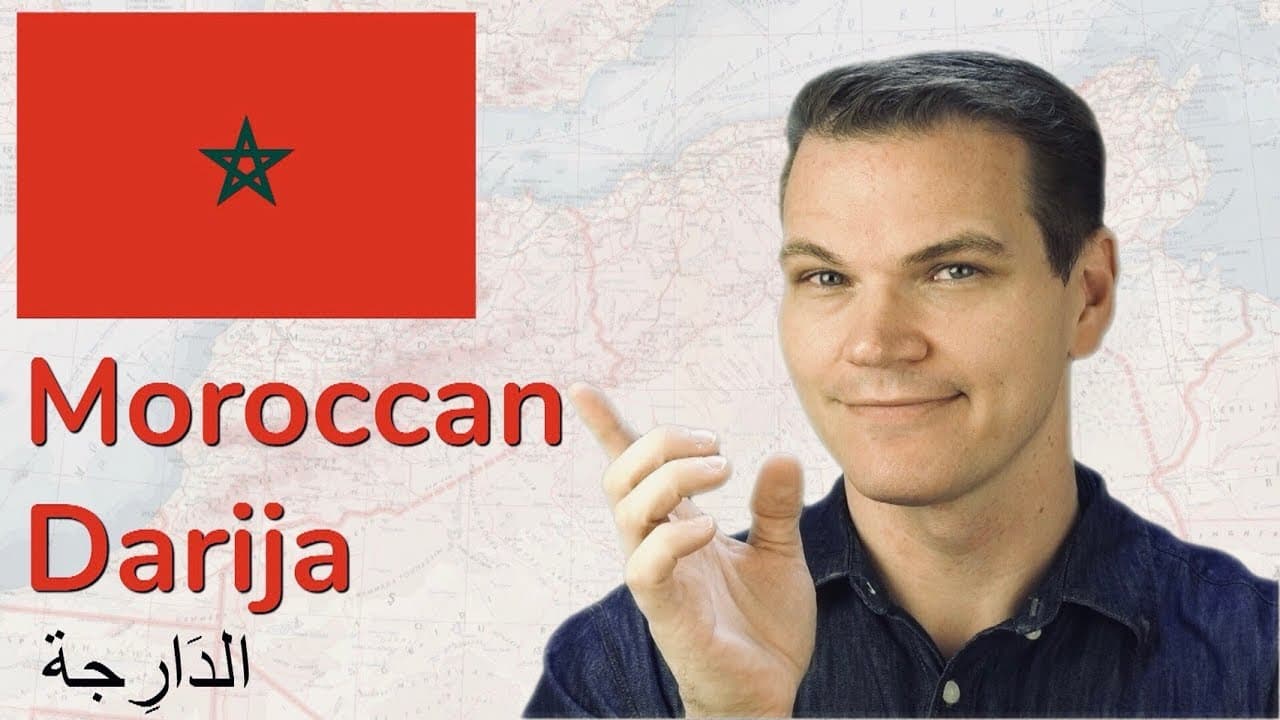
Moroccan DARIJA (An Arabic Dialect??)
TL;DR
Moroccan Darija is a unique Arabic dialect influenced by Amazigh.
Transcript
Hello everyone, welcome to the Lang Focus Channel and my name is Paul. Today's topic is Moroccan Darija, Morocco's Arabic dialect or is it? Moroccan Darija is normally considered to belong to the Meghrebi Arabic dialect group which includes not only Moroccan Arabic but also Algerian, Tunisian and Hassaniyan Arabic. Moroccan Darija is also known as ... Read More
Key Insights
- Moroccan Darija is part of the Maghrebi Arabic dialect group, making it challenging for other Arabic speakers to understand.
- The Amazigh language has significantly influenced Moroccan Darija, contributing to its unique features and vocabulary.
- French and Spanish colonization introduced many loanwords into Moroccan Darija, impacting its vocabulary and usage.
- Moroccan Darija differs from Modern Standard Arabic in vocabulary, pronunciation, and grammar, with unique vowel reduction features.
- Code-switching between Darija and French is common in Morocco, especially in urban areas and formal settings.
- Moroccan Darija lacks the dual form present in Standard Arabic, a feature influenced by Amazigh grammar.
- The passive voice in Darija is formed differently from Standard Arabic, using a prefix 't' with active verbs.
- Despite its differences, Moroccan Darija shares commonalities with other Arabic dialects, influenced by historical language interactions.
Install to Summarize YouTube Videos and Get Transcripts
Explore YouTube Video Summarizer or Get YouTube Transcript Extractor
Questions & Answers
Q: What makes Moroccan Darija difficult for other Arabic speakers to understand?
Moroccan Darija is challenging for other Arabic speakers primarily due to its unique phonology, influenced by the Amazigh language. This includes significant vowel reduction and stress pattern changes, which create new consonant clusters and alter syllable structures, making it sound distinct from other Arabic dialects.
Q: How has French colonization impacted Moroccan Darija?
French colonization has left a lasting impact on Moroccan Darija, especially in its vocabulary. Many French loanwords have been integrated into the dialect, particularly in academic and modern innovation contexts. French continues to influence Darija through code-switching, as many Moroccans are fluent in French.
Q: What role does the Amazigh language play in Moroccan Darija?
The Amazigh language plays a crucial role in shaping Moroccan Darija. It has influenced the dialect's vocabulary, phonology, and grammar. For instance, the lack of a dual form in Darija and specific vocabulary items are directly attributed to Amazigh influence, highlighting the historical interaction between Arabic and Amazigh speakers.
Q: How does Moroccan Darija differ from Modern Standard Arabic in terms of grammar?
Moroccan Darija differs from Modern Standard Arabic in several grammatical aspects. Notably, it lacks the dual form, using only singular and plural forms. The passive voice is formed by adding a 't' prefix to active verbs, unlike the vowel changes in Standard Arabic. These differences are partly due to Amazigh influence.
Q: What is the significance of code-switching in Moroccan Darija?
Code-switching is significant in Moroccan Darija as it reflects the bilingual nature of Moroccan society, particularly in urban areas. Many Moroccans switch between Darija and French, especially in formal settings, business, and education. This practice demonstrates the ongoing influence of French and the adaptability of Darija speakers.
Q: How does Moroccan Darija handle vowel sounds differently from other Arabic dialects?
Moroccan Darija handles vowel sounds differently by often reducing short vowels to a schwa sound or omitting them entirely. This results in new consonant clusters and sometimes syllables composed solely of consonants. These phonological changes, influenced by Amazigh, contribute to the dialect's distinctiveness and challenge for other Arabic speakers.
Q: In what ways is Moroccan Darija similar to other Arabic dialects?
Moroccan Darija shares similarities with other Arabic dialects in that it has evolved by incorporating elements from local languages, similar to how Egyptian Arabic reflects Coptic influences. All Arabic dialects differ from Modern Standard Arabic, but they share a common historical process of adaptation and integration with native languages.
Q: Why do some Moroccans consider Darija a separate language?
Some Moroccans consider Darija a separate language due to its significant differences from Modern Standard Arabic, influenced by Amazigh and other languages. The distinct vocabulary, pronunciation, and grammar, combined with the perception of Darija as a unique cultural identity, contribute to the view that it is a separate language.
Summary & Key Takeaways
-
Moroccan Darija, part of the Maghrebi Arabic dialect group, is difficult for other Arabic speakers to understand due to its unique influences. It incorporates Amazigh language features, resulting in distinct vocabulary and pronunciation.
-
French and Spanish colonization introduced numerous loanwords into Moroccan Darija, affecting its lexicon. The dialect also exhibits significant vowel reduction and lacks certain grammatical forms found in Standard Arabic.
-
Code-switching with French is prevalent in Moroccan Darija, particularly in urban areas. Despite its differences, Darija shares similarities with other Arabic dialects, shaped by historical language interactions and influences.
Read in Other Languages (beta)
Share This Summary 📚
Summarize YouTube Videos and Get Video Transcripts with 1-Click
Try YouTube Summary with ChatGPT & Claude or YouTube Transcript Generator
Explore More Summaries from Langfocus 📚
Summarize YouTube Videos and Get Video Transcripts with 1-Click
Try YouTube Summary with ChatGPT & Claude or YouTube Transcript Generator