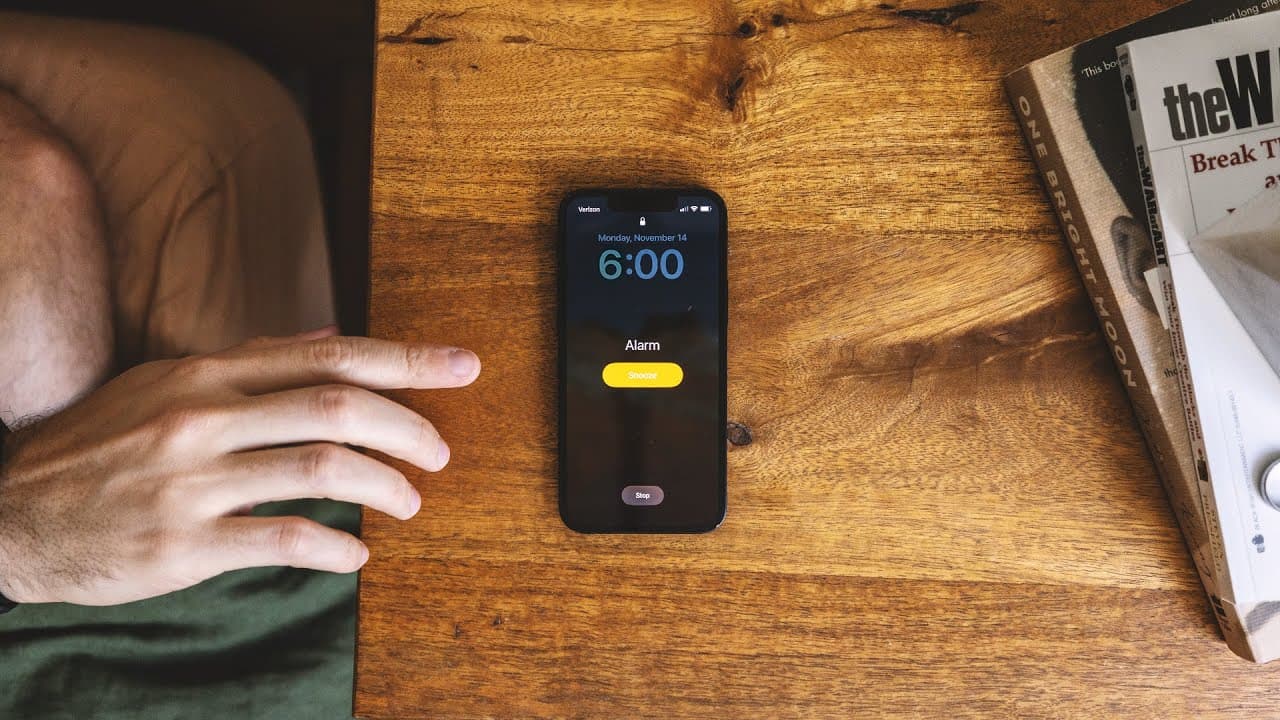
I stopped using an alarm clock and it changed everything.
TL;DR
By prioritizing a full night's sleep and listening to your body, you can wake up early without the need for an alarm clock.
Transcript
- Hey there. Just a quick announcement to let you know that my YouTube course is closing its enrollment in just two days after uploading this video. And so if you wanna learn all these strategies, tools, and mindsets that I use to make great videos and to get more views on YouTube with integrity, go to slowgrowth.com/youtube to learn more. Again, y... Read More
Key Insights
- 😪 The speaker prioritizes a full night's sleep over waking up early as they believe neglecting sleep for productivity is counterproductive.
- 😪 Flexibility and listening to your body's natural sleep patterns are crucial in finding a sustainable wake-up routine.
- ⏰ Having a greater purpose and excitement about the day can motivate waking up early without an alarm clock.
- ⏰ Not using an alarm clock does not mean the speaker will never wake up early again; they will still use it when necessary.
- 🧑🏭 Personal schedules and finding what works best for oneself are important factors in determining whether to ditch the alarm clock.
- ⏰ Ditching the alarm clock has led to improved sleep patterns and overall well-being for the speaker.
- ⏰ Relationships can be positively impacted by not using an alarm clock, as it reduces disturbances for partners.
Install to Summarize YouTube Videos and Get Transcripts
Explore YouTube Video Summarizer or Get YouTube Transcript Extractor
Questions & Answers
Q: What initially prompted the speaker to stop using an alarm clock?
The speaker's time in Australia, where they had to wake up early for calls due to the significant time difference, led them to question how they wake up.
Q: Can the speaker consistently wake up early without an alarm clock?
Yes, despite not setting an alarm, the speaker consistently wakes up around 7:00 AM and rarely sleeps in past 9:00 AM.
Q: How has ditching the alarm clock affected the speaker's sleep patterns?
The speaker now consistently gets a full eight hours of sleep each night, which has improved their overall well-being.
Q: How has not using an alarm clock affected the speaker's partner?
The speaker's partner, who is a light sleeper, is happier now that they are no longer disturbed by alarms and snooze buttons.
Summary & Key Takeaways
-
The speaker stopped using an alarm clock after experiencing a significant time difference while in Australia and found that the habit stuck even after returning to the US.
-
Instead of setting a rigid sleep schedule, the speaker lets their body decide when to wake up, striking a balance between consistency and flexibility.
-
The speaker has seen positive changes, including consistently getting eight hours of sleep each night and improved well-being.
Read in Other Languages (beta)
Share This Summary 📚
Summarize YouTube Videos and Get Video Transcripts with 1-Click
Try YouTube Summary with ChatGPT & Claude or YouTube Transcript Generator
Explore More Summaries from Matt D'Avella 📚





Summarize YouTube Videos and Get Video Transcripts with 1-Click
Try YouTube Summary with ChatGPT & Claude or YouTube Transcript Generator