What Caused the Rise and Fall of Chichen Itza?
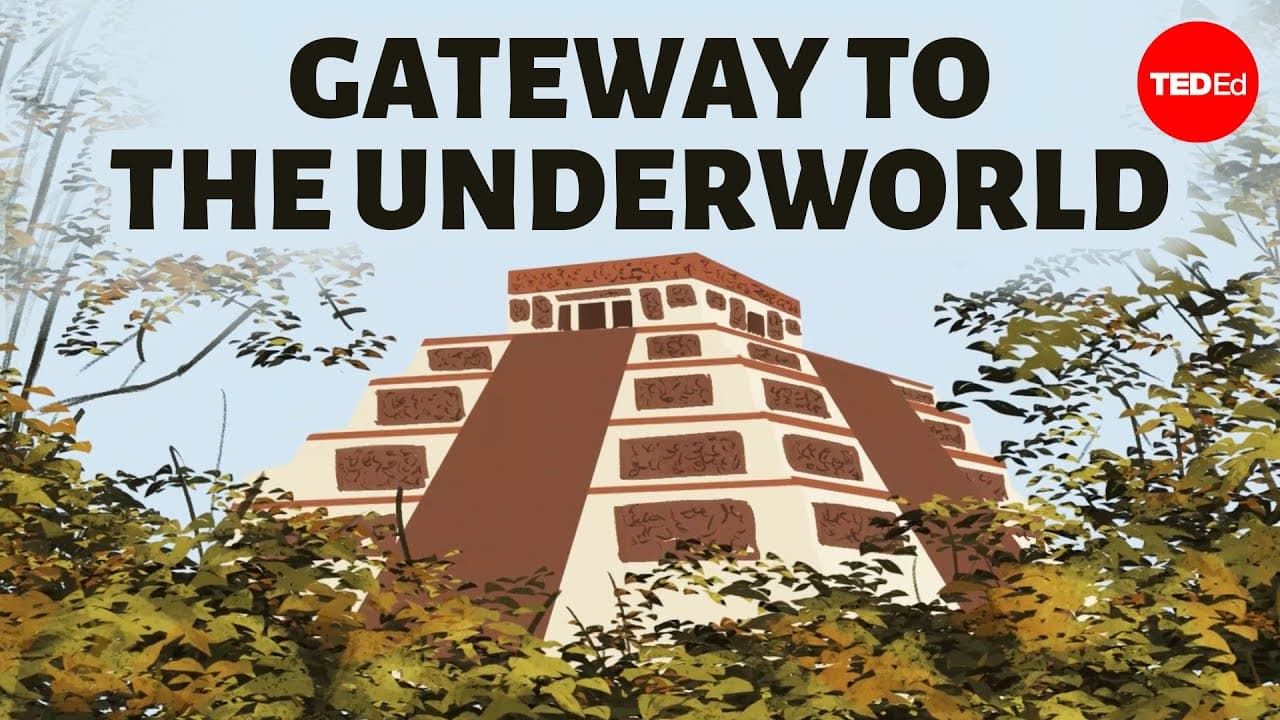
TL;DR
Chichen Itza rose to prominence due to its access to freshwater and strategic trade, peaking with a diverse population and significant architectural achievements. However, a severe and prolonged drought around 1020 CE led to its decline, forcing many inhabitants to relocate. Despite its fall, Chichen Itza remained culturally significant even after the Spanish arrival.
Transcript
During an important calendrical celebration in 889 CE, Lord K’ak’ Upakal may have sat atop his ornate palace and observed the bustling hub he’d helped Chichen Itza become. The Maya city’s golden age would outlast K’ak’ Upakal’s own life, but he couldn’t have known the crises that lay ahead. A century before, warfare and failing agriculture forced M... Read More
Key Insights
- 🇰🇵 Chichen Itza shifted the center of Maya civilization north to Yucatan due to warfare and failing agriculture.
- 🏙️ The city's access to freshwater through sinkholes gave it an advantage during droughts.
- 🪘 Chichen Itza achieved economic growth through long-distance trade and political dominance.
- 🏙️ The city's architecture and religious practices reflected the significance of farming and celestial cycles.
- 🖐️ K’uk’ulkan, the feathered serpent god, played a crucial role in Chichen Itza's religious and cultural identity.
- ❓ Chichen Itza's decline was primarily caused by an intense and prolonged drought.
- 👯 The population declined during the 11th century, and many people resettled on the coast.
Install to Summarize YouTube Videos and Get Transcripts
Explore YouTube Video Summarizer or Get YouTube Transcript Extractor
Questions & Answers
Q: How did Chichen Itza survive during a period of drought?
Chichen Itza survived drought by having access to abundant freshwater through sinkholes, attracting immigration and sustaining a large population.
Q: What were some of the valuable goods traded by Chichen Itza's inhabitants?
Chichen Itza's residents traded goods such as obsidian, gold, copper, turquoise, jade, food, textiles, feathers, minerals, metals, and even used cacao beans as currency.
Q: What role did the feathered serpent god, K’uk’ulkan, play in Chichen Itza?
K’uk’ulkan was a central deity in Chichen Itza, and the city became a center of religious pilgrimage with temples, pyramids, and altars dedicated to the feathered serpent god.
Q: What caused the decline of Chichen Itza?
Chichen Itza faced an intense drought that lasted nearly a century around 1020 CE, leading to a decline in population and eventual resettlement on the coast. Mayapan emerged as the new principal city.
Summary & Key Takeaways
-
Lord K’ak’ Upakal witnessed the rise of Chichen Itza during an important celebration in 889 CE, marking the city's golden age.
-
Chichen Itza's success was due to its access to freshwater and the ability to sustain a large population in an unpredictable environment.
-
The city's economic growth, religious practices, and architectural marvels made it a center of trade, pilgrimage, and political dominance.
Read in Other Languages (beta)
Share This Summary 📚
Summarize YouTube Videos and Get Video Transcripts with 1-Click
Try YouTube Summary with ChatGPT & Claude or YouTube Transcript Generator
Explore More Summaries from TED-Ed 📚






Summarize YouTube Videos and Get Video Transcripts with 1-Click
Try YouTube Summary with ChatGPT & Claude or YouTube Transcript Generator