Apple vs. Banks: The Digital-Wallet War, Explained | WSJ
TL;DR
Apple Pay's popularity and dominance in digital wallets is causing concern for banks, who are losing both revenue and name recognition to the tech giant.
Transcript
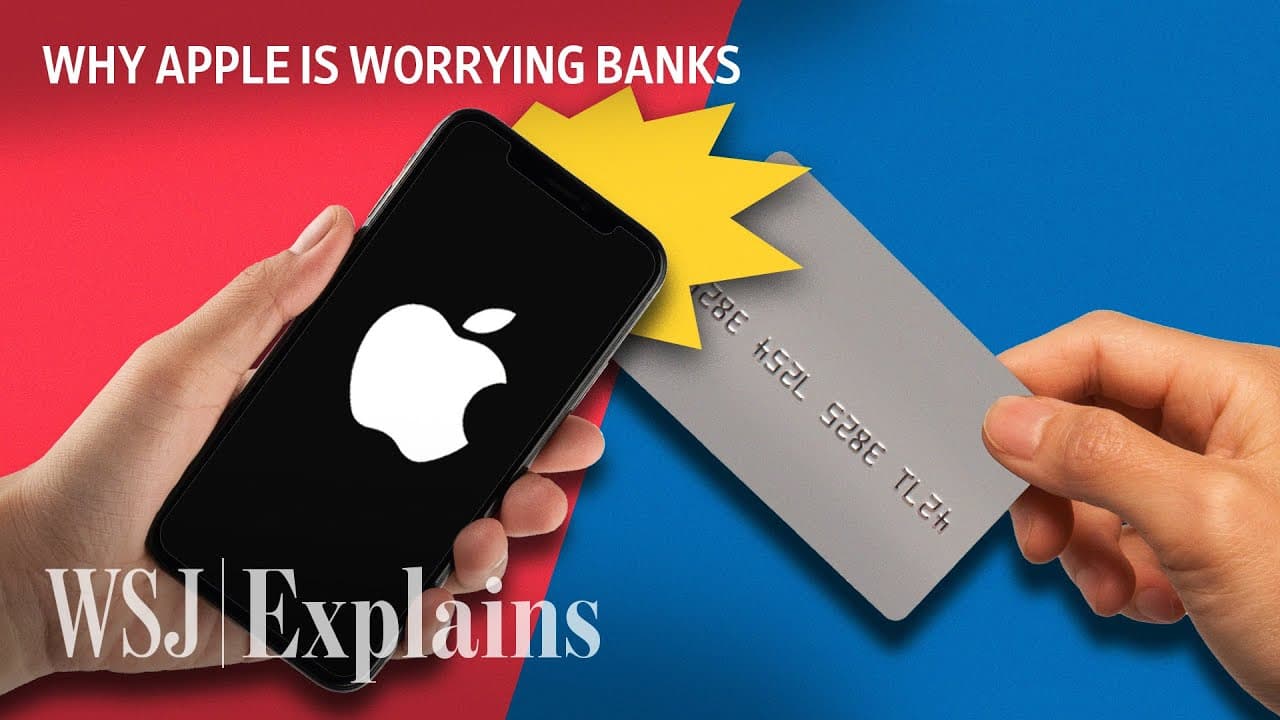
When you pay for your morning coffee. Do you reach for this or this? This is still what most people prefer. But digital wallets like Apple Pay, Google Pay and paypal have become more popular over the last several years, especially for online payments. And that's making the banks whose cards are in your physical wallet. Worried as Chase Ceo Jamie D... Read More
Key Insights
- 👤 Apple Pay's dominance in digital wallets is a significant threat to traditional banks, as more users prefer the convenience and integration it offers.
- ☕ The loss of revenue from interchange fees and reduced name recognition are pressing concerns for banks adapting to the digital payments landscape.
- 🧑💻 Banks are attempting to compete by launching their own digital payment solutions, but previous attempts have failed to gain traction against tech giants like Apple and PayPal.
Install to Summarize YouTube Videos and Get Transcripts
Explore YouTube Video Summarizer or Get YouTube Transcript Extractor
Questions & Answers
Q: How has Apple Pay gained a significant market share in digital wallets?
Apple Pay's integration with iPhones, which have a significant market share, has allowed it to become the preferred digital wallet. Its ease of use and convenience further contribute to its popularity.
Q: How do banks earn money from debit and credit card purchases?
Banks earn revenue from interchange fees paid by merchants. These fees are a percentage of the purchase amount. Using Apple Pay means banks have to pay a fee to Apple instead of earning the full interchange fee from the transaction.
Q: Why are banks concerned about name recognition?
Banks worry that being just the underlying card used in third-party wallets diminishes their brand recognition. They fear that tech companies like Apple could eventually become lenders themselves, bypassing the need for banks.
Q: How are banks planning to compete with Apple Pay and PayPal?
Banks are introducing their own digital wallets, such as "pays." This wallet will be operated by a company owned by seven major banks and aims to speed up the online checkout process. However, its success depends on user adoption and merchant acceptance.
Summary & Key Takeaways
-
Digital wallets like Apple Pay, Google Pay, and PayPal have become increasingly popular for online payments, making traditional banks worried about their future.
-
Apple Pay's advantage over competitors is its integration with iPhones, making it difficult for users to switch to other wallets.
-
Banks earn money from interchange fees, and using Apple Pay means they have to pay a fee to Apple, resulting in a loss of revenue.
Read in Other Languages (beta)
Share This Summary 📚
Summarize YouTube Videos and Get Video Transcripts with 1-Click
Try YouTube Summary with ChatGPT & Claude or YouTube Transcript Generator
Explore More Summaries from The Wall Street Journal 📚






Summarize YouTube Videos and Get Video Transcripts with 1-Click
Try YouTube Summary with ChatGPT & Claude or YouTube Transcript Generator