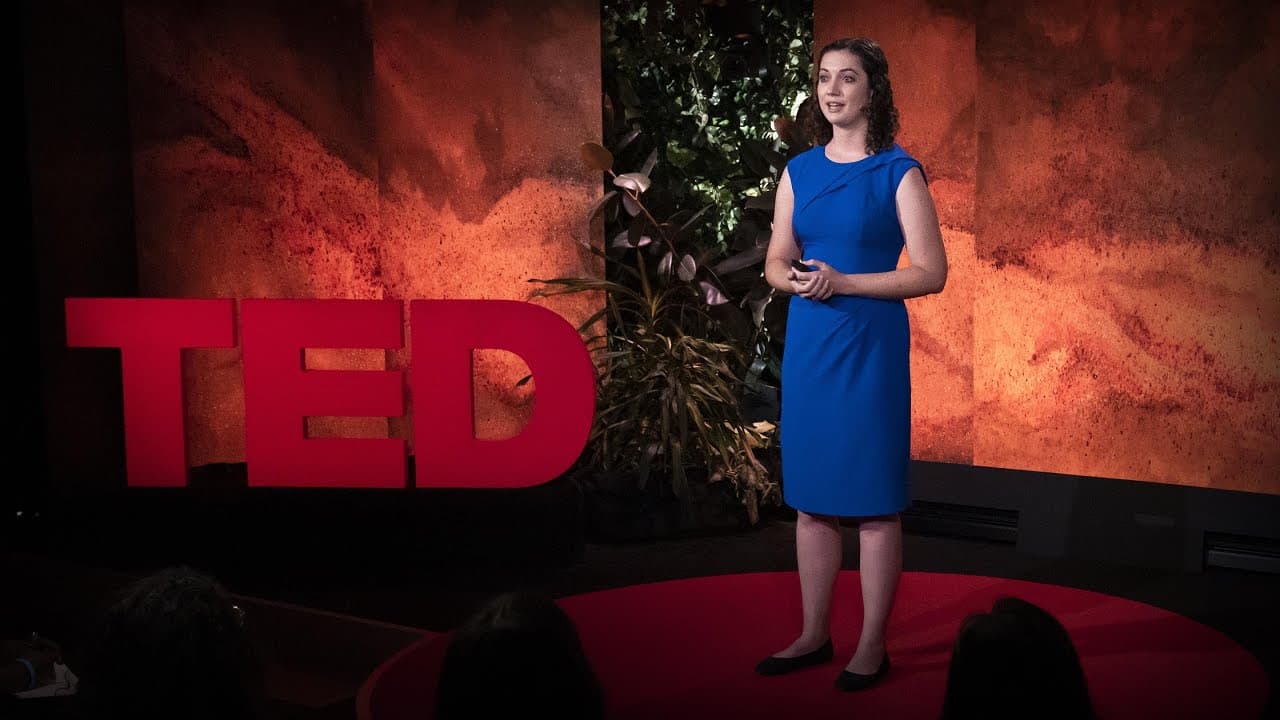
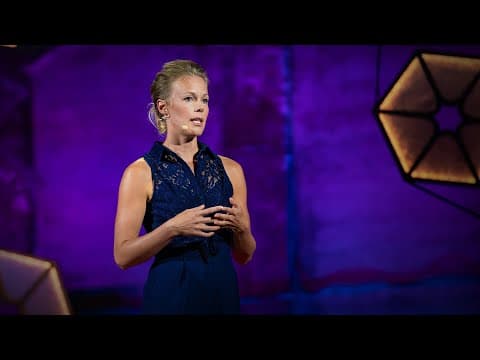
4 Ways To Design a Disability-Friendly Future | Meghan Hussey | TED
TL;DR
This content explores the author's personal experience with disability, the global issue of disability exclusion, and the importance of disability inclusion in international development.
Transcript
I've never known life without disability. Disability is where a physical or mental condition or impairment is combined with physical or social barriers that make it hard for a person to do certain things or interact with the world around them. Disability is very diverse, with a wide range of experiences that can affect a person's ability to see, mo... Read More
Key Insights
- 🌍 Disability is diverse and affects a person's ability to see, move, hear, learn, communicate, or interact with others. It is important to recognize and respect these differences.
- 📚 Stigma surrounding disability is prevalent and can be damaging, leading to exclusion and discrimination. Attitudes towards disability need to change.
- 💼 Inclusion of persons with disabilities in the workplace is not only a matter of policy but also a matter of justice and equity. Accommodation and support should be provided.
- 🌐 Disability intersects with every issue area and should be taken into consideration when discussing topics such as gender equity and global health.
- 🌍 Over a billion people, or 15% of the world's population, have some form of disability. Yet, there is a lack of discussion and inclusion of disability in global human rights studies.
- 💪 Inclusive sport and youth leadership programs have been found to benefit both individuals with and without disabilities, fostering essential social and emotional skills.
- 🌍 There are four steps we can take to make the future more inclusive: reevaluate our attitudes towards disability, actively choose to include, recognize the intersectionality of disability, and listen to the voices of persons with disabilities.
- 👥 Exclusion of persons with disabilities has economic consequences, with an estimated cost of 3-7% of GDP for low- and middle-income countries. Inclusion, on the other hand, benefits everyone.
Install to Summarize YouTube Videos and Get Transcripts
Explore YouTube Video Summarizer or Get YouTube Transcript Extractor
Questions & Answers
Q: What is disability and how does it affect a person's ability to interact with the world?
Disability is a combination of a physical or mental condition or impairment and physical or social barriers that make it difficult for a person to do certain things or interact with the world. It can affect a person's ability to see, move, hear, learn, communicate, or interact with others.
Q: What is the speaker's personal experience with disability?
The speaker's sister, Erin, is autistic and has intellectual disabilities. The speaker shares that Erin processes the world differently, enjoys specific activities like riding her bike and collecting rubber ducks, and exhibits happiness through clapping and squealing. For the speaker's family, Erin is considered normal, but they have encountered instances where the rest of the world did not view Erin as a complete human being due to stigma.
Q: How did the speaker's experience with disability lead to their career choice?
The speaker's personal background with disability and their career aspirations in international development came together when they studied abroad in China. Through their studies, they visited an autism school and an advocacy organization and became absorbed in that community. They realized the extent of the global issue of disability inclusion and decided to focus their career on promoting disability inclusion in international development.
Q: According to the video, what is the global prevalence of disability and the impact of exclusion?
Over a billion people worldwide, approximately 15% of the global population, have some form of disability. Persons with disabilities face significant stigma and disadvantage. For instance, around 50% of the 240 million children with disabilities have never attended school. Disability exclusion also has an economic impact, costing low- and middle-income countries between three and seven percent of their GDP.
Q: What are the four things the speaker suggests we can do to promote inclusivity?
The speaker outlines four actions that can contribute to a more inclusive future. First, individuals need to reevaluate their attitudes towards disability, challenging stereotypes and recognizing the importance of dignity and respect. Secondly, everyone should actively choose to include persons with disabilities and advocate for policy implementation. Third, disability should be recognized as intersecting with various issue areas, such as gender equity and global health. Finally, it is crucial to listen to and follow the lead of persons with disabilities themselves when working towards inclusivity.
Summary & Key Takeaways
-
Disability is a diverse condition that can affect a person's ability to see, hear, move, learn, communicate, or interact with others.
-
Negative attitudes towards disability and lack of inclusion are significant barriers globally, with exclusion costing low- and middle-income countries up to 7% of GDP.
-
To create a more inclusive future, attitudes towards disability need to be reevaluated, inclusion should be prioritized, disability should be recognized in every issue area, and the voices and experiences of persons with disabilities should be listened to and followed in creating change.
Read in Other Languages (beta)
Share This Summary 📚
Summarize YouTube Videos and Get Video Transcripts with 1-Click
Try YouTube Summary with ChatGPT & Claude or YouTube Transcript Generator
Explore More Summaries from TED 📚
Summarize YouTube Videos and Get Video Transcripts with 1-Click
Try YouTube Summary with ChatGPT & Claude or YouTube Transcript Generator