EP 19: DIY Bathroom Vanity
TL;DR
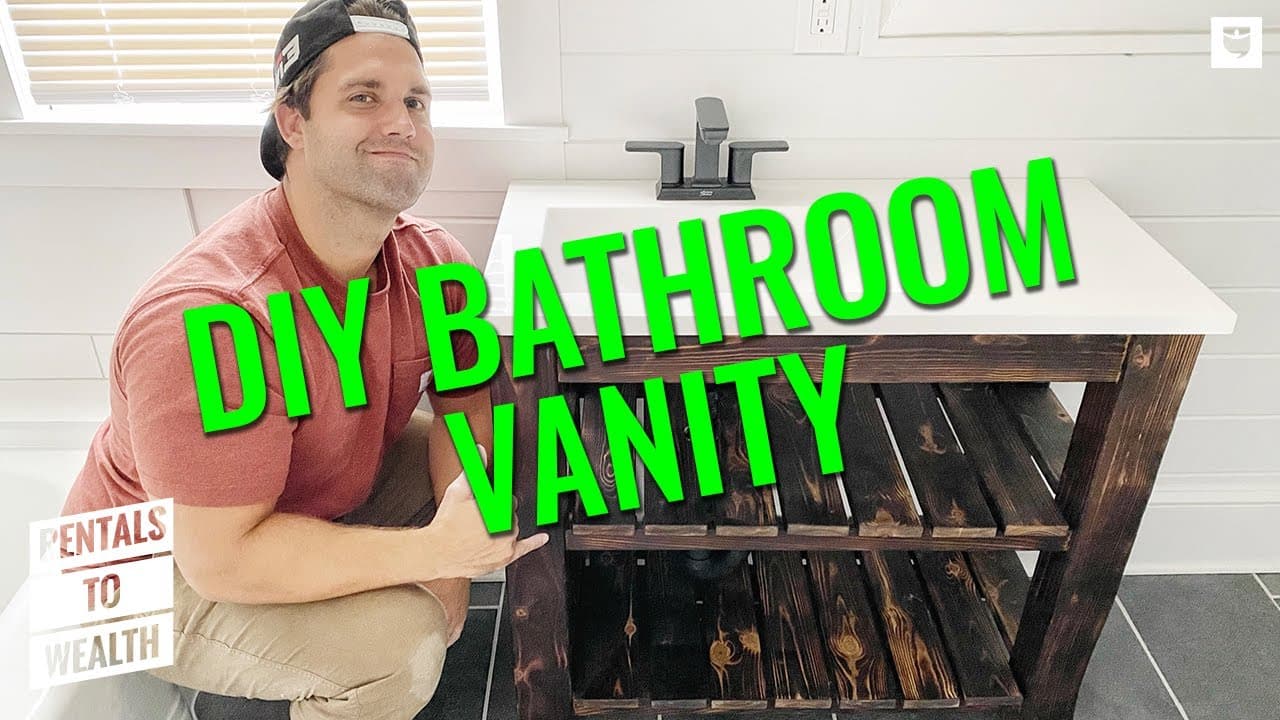
Kyle creates a bathroom vanity using Shou Sugi Ban technique.
Transcript
today i am super excited because i'm actually starting the vanity today so i'll give you uh just a look at what my idea is and pull some measurements then i gotta go pick up some wood and we'll get started i'll show you the countertop we actually picked up for super cheap from a thrift store near us and it fits for this bathroom perfect because it'... Read More
Key Insights
- Kyle is excited to start the DIY bathroom vanity project using the Shou Sugi Ban technique, a Japanese method of burning wood for weatherproofing.
- The countertop for the vanity was purchased from a thrift store, fitting perfectly with the bathroom's layout due to its large work area.
- Instead of expensive hardwood, Kyle uses pine and burns it with a torch, sealing the exterior and finishing it with stain and water-based satin poly.
- The project involves cutting and sanding pine wood, utilizing a Kreg Jig for pocket holes, and marking lines with an awl for precise cuts.
- Kyle emphasizes the importance of choosing the right tools, showing preference for Makita and DeWalt brands, and highlights the utility of a charging table for power tools.
- The project includes assembling the vanity using wood glue and nails, and employing a hot glue gun for additional strength, ensuring no visible nail holes.
- Kyle experiences a minor setback when the countertop bowl doesn't fit initially, but resolves it by adjusting the framing with a sawzall.
- The project concludes with Kyle applying a matte poly finish to the vanity, achieving a rustic look without a high sheen, and preparing it for installation.
Install to Summarize YouTube Videos and Get Transcripts
Explore YouTube Video Summarizer or Get YouTube Transcript Extractor
Questions & Answers
Q: What technique does Kyle use for weatherproofing the vanity?
Kyle uses the Shou Sugi Ban technique, a traditional Japanese method of burning wood to weatherproof it. This technique involves torching the wood to seal its exterior, which helps protect it from moisture, making it suitable for bathroom environments where it will be exposed to water.
Q: Why does Kyle choose pine wood for the vanity?
Kyle chooses pine wood for the vanity due to its affordability compared to hardwood. He appreciates the natural grain and knots of pine, which add character to the vanity. By using the Shou Sugi Ban technique, he effectively seals and protects the pine, making it a cost-effective yet durable choice.
Q: How does Kyle ensure precise cuts for the vanity construction?
Kyle ensures precise cuts by marking lines with an awl, which creates a thin and accurate line compared to a pencil. This method helps in achieving precise cuts, especially when using a construction pencil that can become dull and create wider, less accurate lines.
Q: What tools does Kyle use for assembling the vanity?
Kyle uses a Kreg Jig to drill pocket holes for strong joints and a hot glue gun for additional strength without visible nail holes. He also employs a palm sander for smoothing the wood and a sawzall for adjustments. His tool preferences include brands like Makita and DeWalt.
Q: How does Kyle address the issue with the countertop bowl not fitting?
Kyle encounters an issue where the countertop bowl doesn't fit due to its proximity to the framing. He resolves this by using a sawzall to trim the corners of the framing, allowing the bowl to sit properly. This adjustment ensures the vanity fits as intended.
Q: What finishing touches does Kyle apply to the vanity?
Kyle applies a water-based matte poly finish to the vanity, achieving a rustic look without a high sheen. He initially considers a satin poly but finds it too shiny for the project. The matte finish complements the burned wood, enhancing its natural appearance.
Q: What challenges does Kyle face during the project?
Kyle faces challenges such as ensuring precise cuts, selecting the right tools, and resolving the countertop bowl fitting issue. He addresses these by using an awl for marking, employing a variety of tools for assembly, and making necessary adjustments with a sawzall.
Q: What is Kyle's overall sentiment about the project?
Kyle is enthusiastic and excited about the project, expressing anticipation for its completion. He finds the process of using the Shou Sugi Ban technique intriguing and is pleased with the outcome. His excitement is evident as he prepares for the final installation of the vanity.
Summary & Key Takeaways
-
Kyle embarks on a DIY project to create a bathroom vanity using the Shou Sugi Ban technique, which involves burning wood to weatherproof it. He opts for pine wood, which is more affordable than hardwood, and finishes it with stain and poly.
-
The project includes precise cutting and sanding of wood, using a Kreg Jig for strong joints, and employing a hot glue gun to avoid visible nail holes. Kyle also highlights the importance of choosing the right tools for efficiency.
-
After assembling and burning the wood, Kyle applies a matte poly finish to achieve a rustic look. Despite a minor fitting issue with the countertop bowl, he resolves it and prepares the vanity for installation, expressing excitement for the project's completion.
Read in Other Languages (beta)
Share This Summary 📚
Summarize YouTube Videos and Get Video Transcripts with 1-Click
Try YouTube Summary with ChatGPT & Claude or YouTube Transcript Generator
Explore More Summaries from BiggerPockets 📚






Summarize YouTube Videos and Get Video Transcripts with 1-Click
Try YouTube Summary with ChatGPT & Claude or YouTube Transcript Generator