Captured Russian Equipment in Ukraine - (Featuring @TheChieftainsHatch )
TL;DR
Ukraine faces challenges in arming its military with equipment, leading to the capture and use of Soviet-era and Russian equipment. There is an informal supply chain and repair system with civilian involvement and support from foreign countries like Poland and Bulgaria.
Transcript
While the early move to general mobilisation meant the Ukrainian Army was probably never going to be short on manpower, the Army did face a number of critical issues from the very earliest days of the war, you know, other than the missile strikes and the Russian attackers. Namely what on earth was it going to arm all of the volunteers and new ... Read More
Key Insights
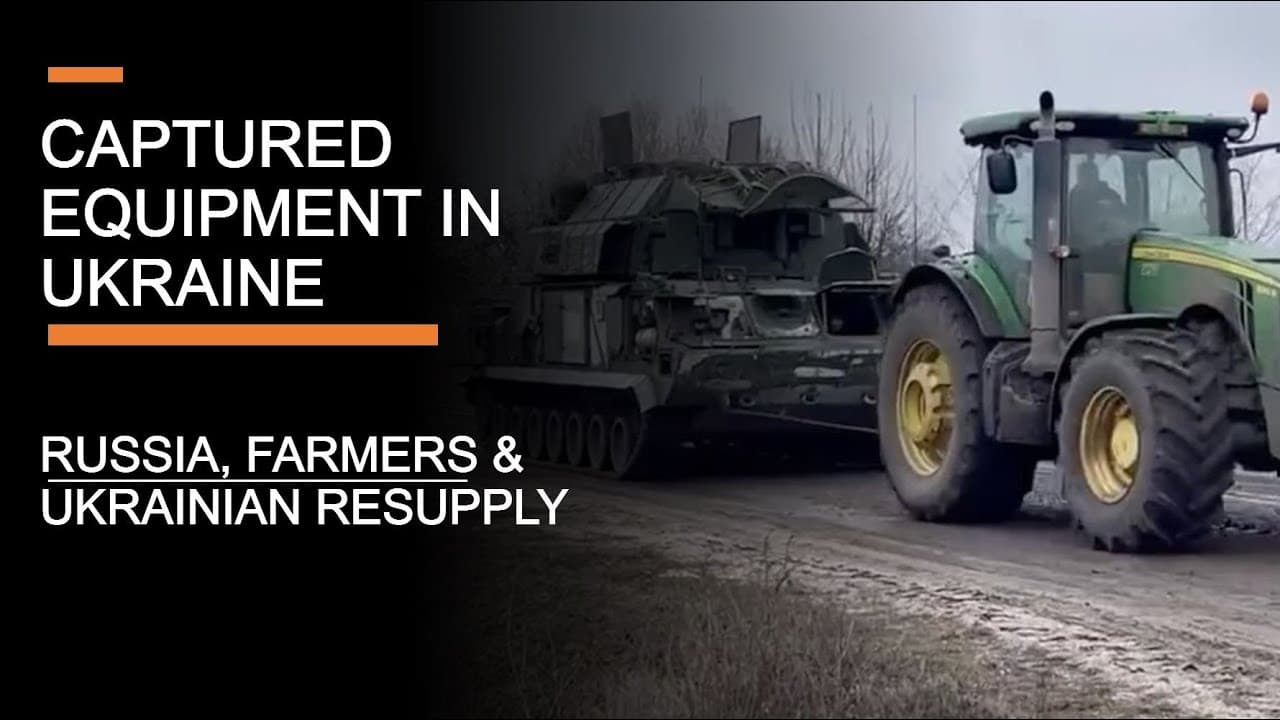
- 🤩 Ukraine relied on civilian assets like tractors and trucks, as well as captured Soviet-era and Russian equipment, for recovery and repair.
- 👻 Informal supply procedures and lateral movement of equipment between units have emerged, allowing for the exchange of captured equipment and filling gaps in supplies.
- 🔠 Capital repair and refitting require foreign support, with countries like Poland and Bulgaria providing expertise and assistance.
- 🖐️ Bulgaria has played a significant role in Ukraine's supply network, despite its complicated relationship with Russia.
- 👊 Tank plants in Ukraine are vulnerable to missile attacks, necessitating repairs in foreign workshops.
Install to Summarize YouTube Videos and Get Transcripts
Explore YouTube Video Summarizer or Get YouTube Transcript Extractor
Questions & Answers
Q: How did Ukraine manage to arm its military with the necessary equipment during the conflict?
Ukraine relied on a combination of civilian assets like tractors and trucks and captured Soviet-era and Russian equipment. The informal supply chain and lateral movement of equipment between units allowed for the exchange of captured equipment to meet the needs of different units.
Q: Why did Ukraine use civilian assets for recovery and repair instead of dedicated military vehicles?
Ukraine lacked sufficient dedicated recovery vehicles, so civilians, particularly farmers with mechanical expertise, played a significant role in recovering and repurposing abandoned Russian equipment. This proved to be a cost-effective solution given the limited resources available.
Q: How did Bulgaria support Ukraine in terms of recovery and repair?
Bulgaria has opened its workshops for repair work and has agreed to repair 80 Ukrainian tanks. Despite facing political and economic challenges, Bulgaria has played an important role in Ukraine's supply network and has provided valuable expertise in repairing and restoring Soviet-era equipment.
Q: What challenges does Ukraine face in repairing heavily damaged vehicles?
Ukraine relies on foreign support for capital repair and refitting of heavily damaged vehicles. Tank plants in Ukraine, though capable of repair, are vulnerable to Russian long-range missile attacks. Countries like Poland and Bulgaria have provided expertise and assistance in repairing Ukrainian tanks and equipment.
Key Insights:
- Ukraine relied on civilian assets like tractors and trucks, as well as captured Soviet-era and Russian equipment, for recovery and repair.
- Informal supply procedures and lateral movement of equipment between units have emerged, allowing for the exchange of captured equipment and filling gaps in supplies.
- Capital repair and refitting require foreign support, with countries like Poland and Bulgaria providing expertise and assistance.
- Bulgaria has played a significant role in Ukraine's supply network, despite its complicated relationship with Russia.
- Tank plants in Ukraine are vulnerable to missile attacks, necessitating repairs in foreign workshops.
- The Ukrainian army's ability to recover and repair equipment has been crucial in maintaining operational readiness.
Summary & Key Takeaways
-
The Ukrainian army lacked the necessary equipment to arm its volunteers and new recruits during the conflict, leading to the use of Soviet-era and Russian equipment captured from abandoned or damaged vehicles.
-
Ukraine relied on civilian assets like tractors and trucks for recovery and repair, with farmers playing a significant role in recovering and repurposing abandoned Russian equipment. This was a cost-effective solution given the limited number of dedicated recovery vehicles.
-
Informal supply procedures and lateral movement of equipment between units have emerged in the Ukrainian armed forces, allowing for the exchange of captured equipment and filling gaps in supplies.
-
Capital repair and refitting of heavily damaged vehicles require foreign support, with countries like Poland and Bulgaria providing expertise and assistance in repairing Ukrainian tanks and equipment.
Read in Other Languages (beta)
Share This Summary 📚
Summarize YouTube Videos and Get Video Transcripts with 1-Click
Try YouTube Summary with ChatGPT & Claude or YouTube Transcript Generator
Explore More Summaries from Perun 📚
Summarize YouTube Videos and Get Video Transcripts with 1-Click
Try YouTube Summary with ChatGPT & Claude or YouTube Transcript Generator