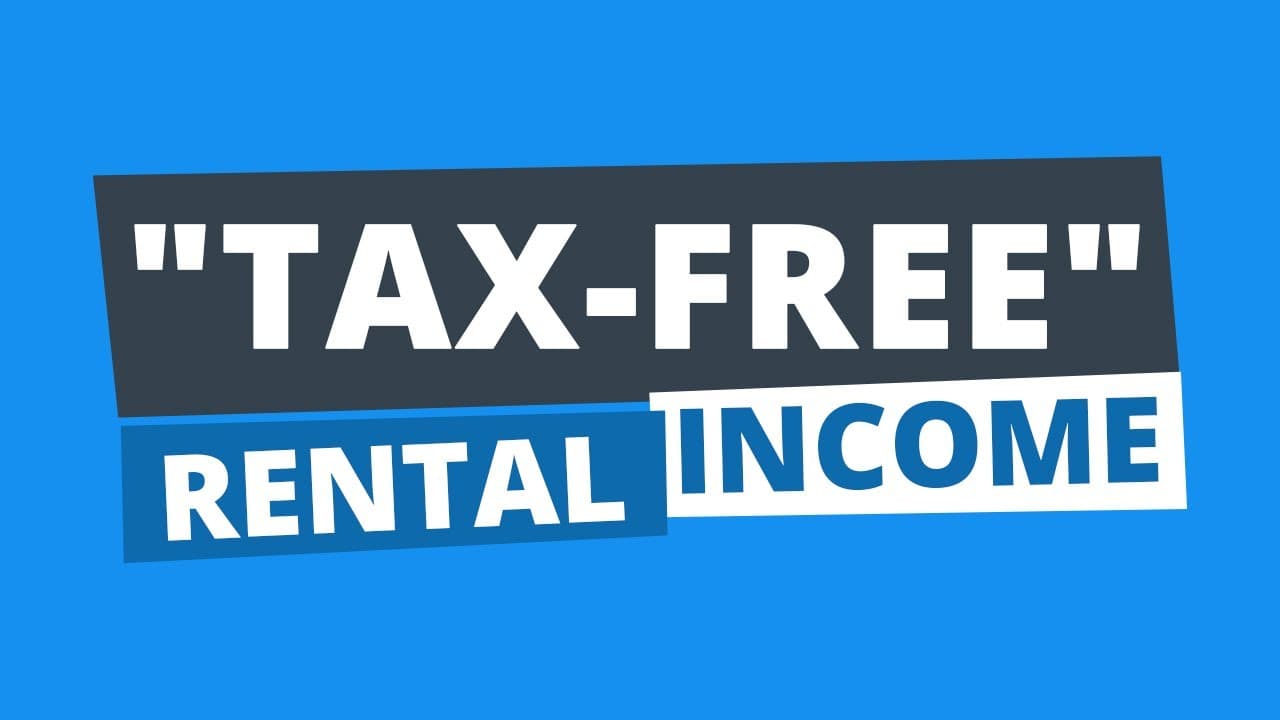
How To Avoid Taxes by “Buying” Rental Property Write-Offs
TL;DR
Learn how to maximize tax benefits through strategic real estate investing.
Transcript
this is the bigger pockets podcast show 6 25. i think that um what's really clarifying for me uh is to pull up a little bit from the numbers when do we pivot how do we do this and be like what's our goal and how do we play a perfect game that's balanced between offense and defense and and that's uh honestly in just a few minutes it's it's really he... Read More
Key Insights
- Real estate investing offers significant tax advantages, primarily through depreciation, which can shelter income from other sources if structured correctly.
- Becoming a full-time real estate professional allows investors to use depreciation from properties to offset other income, providing substantial tax savings.
- Finding a mentor in real estate involves providing value, such as sourcing deals or solving problems, to establish a mutually beneficial relationship.
- Partnerships in real estate require balancing offensive strategies for growth with defensive measures to protect investments, ensuring long-term success.
- Investors should regularly revisit their goals and assess whether their current strategies align with these objectives, making pivots as necessary.
- Enhancing a property's value through improvements can increase its depreciation basis, offering more significant tax benefits and potentially higher cash flow.
- Real estate markets vary, and strategies that work in one region may not be as effective in another, necessitating local knowledge and adaptability.
- Collaboration and communication with partners, including spouses, are crucial in navigating investment decisions and aligning on financial goals.
Install to Summarize YouTube Videos and Get Transcripts
Explore YouTube Video Summarizer or Get YouTube Transcript Extractor
Questions & Answers
Q: How can real estate investors avoid taxes through depreciation?
Investors can avoid taxes by leveraging depreciation, which allows them to write off a portion of a property's value over time. By becoming a full-time real estate professional, they can use this depreciation to offset income from other sources, reducing their overall tax liability. Strategic improvements to properties can also increase the depreciation basis, offering further tax benefits.
Q: What are some strategies for finding a real estate mentor?
To find a mentor, investors should focus on providing value, such as sourcing deals or solving specific problems that the mentor faces. Building a relationship based on mutual benefit increases the likelihood of a successful mentorship. Networking at real estate events, joining investment groups, and directly offering solutions to potential mentors are effective strategies.
Q: How do partners decide when to pivot their investment strategy?
Partners should regularly review their investment goals and assess if their current strategy aligns with these objectives. If a strategy is not meeting desired outcomes, it's time to consider a pivot. Balancing offensive growth strategies with defensive risk management ensures that both partners' perspectives are considered, leading to informed decisions.
Q: How can investors increase depreciation without selling a property?
Investors can increase depreciation by making significant improvements to a property, which raises its cost basis. This can include physical expansions like adding square footage or converting spaces into additional units. These improvements not only increase the depreciation amount but can also enhance cash flow and property value.
Q: What should investors consider when balancing cash flow and appreciation?
Investors should consider the local market conditions, property location, and their financial goals. In high-appreciation markets, cash flow might be lower, but long-term gains can be substantial. In contrast, high cash flow markets may offer less appreciation. A balanced portfolio that includes both types of properties can mitigate risks and maximize returns.
Q: How can communication improve partnerships in real estate investing?
Effective communication helps partners align on goals, address conflicts, and make informed decisions. Regular discussions about investment strategies, risk tolerance, and financial objectives ensure that both partners are on the same page. This collaboration fosters a stronger partnership and enhances the likelihood of achieving shared goals.
Q: What role does local knowledge play in real estate investing?
Local knowledge is crucial for understanding market dynamics, property values, and regulatory environments. It helps investors make informed decisions about where and what to invest in, ensuring that strategies are tailored to specific market conditions. Local expertise can also identify unique opportunities and mitigate risks associated with broader market trends.
Q: How can investors avoid the pitfalls of shiny object syndrome?
Investors can avoid shiny object syndrome by staying focused on their long-term goals and evaluating new opportunities through the lens of these objectives. Regularly revisiting goals, assessing the potential impact of new ventures, and maintaining a disciplined approach to investment decisions help prevent distraction and ensure consistent progress toward financial targets.
Summary & Key Takeaways
-
The podcast discusses how investors can leverage real estate to minimize their tax liabilities, focusing on the benefits of depreciation and the advantages of being a full-time real estate professional. By strategically purchasing and improving properties, investors can increase their depreciation basis and shelter more income.
-
Finding a mentor requires offering value to potential mentors, such as bringing deals or solving problems. The hosts emphasize the importance of understanding mentors' needs and aligning with them to create mutually beneficial relationships.
-
The episode explores the dynamics of partnerships, particularly when partners have differing investment strategies. Balancing offensive and defensive approaches is key, and staying aligned with long-term goals helps determine when to pivot strategies.
Read in Other Languages (beta)
Share This Summary 📚
Summarize YouTube Videos and Get Video Transcripts with 1-Click
Try YouTube Summary with ChatGPT & Claude or YouTube Transcript Generator
Explore More Summaries from BiggerPockets 📚





Summarize YouTube Videos and Get Video Transcripts with 1-Click
Try YouTube Summary with ChatGPT & Claude or YouTube Transcript Generator