How Does Anxiety Affect the Brain and Your Reactions?
TL;DR
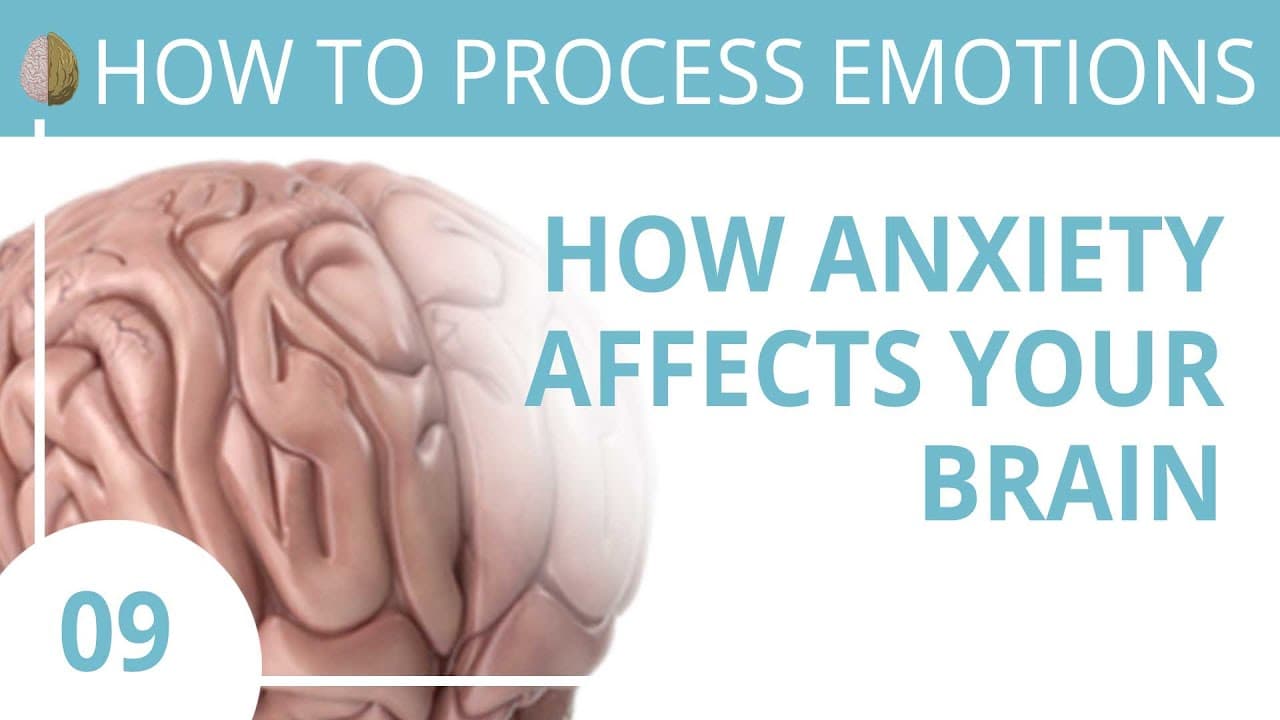
Anxiety triggers the fight/flight/freeze response in the brain, which inhibits rational thinking and decision-making. This reactivity can lead to physical symptoms like cold hands and sweating. Learning to recognize and manage these responses can improve emotional regulation and problem-solving abilities.
Transcript
This may surprise some of you to hear, but when I teach in front of a large group I get really nervous. My hands start sweating and they go ice cold. I sometimes get shaky in my voice, or I often get that like crazy, stinky armpit sweat. And even though I actually really enjoy presenting and teaching, what's happening in my brain is that ... Read More
Key Insights
- 🧠 Anxiety activates the limbic system in the brain, triggering the fight/flight/freeze response.
- 🤔 The fight/flight/freeze response prioritizes survival over rational thinking, hindering problem-solving abilities.
- 🥺 Long-term stress and anxiety can lead to physical and mental health issues.
Install to Summarize YouTube Videos and Get Transcripts
Explore YouTube Video Summarizer or Get YouTube Transcript Extractor
Questions & Answers
Q: Why does anxiety cause physical symptoms like cold hands and sweaty armpits?
The fight/flight/freeze response diverts blood flow away from extremities, leading to cold hands, while increased sweat production is the body's way of cooling down.
Q: How does the fight/flight/freeze response impact decision-making?
In the face of perceived threats, the fight/flight/freeze response takes over, shutting down the thinking part of the brain and hindering problem-solving abilities.
Q: Can anxiety lead to long-term health issues?
Yes, chronic stress and anxiety can lead to exhaustion, muscle tension, digestive problems, frequent illnesses, and contribute to anxiety and depressive disorders.
Q: How can one calm the fight/flight/freeze response?
Techniques such as grounding exercises, deep breathing, and self-soothing can help regulate the body's physical response and calm the mind.
Key Insights:
- Anxiety activates the limbic system in the brain, triggering the fight/flight/freeze response.
- The fight/flight/freeze response prioritizes survival over rational thinking, hindering problem-solving abilities.
- Long-term stress and anxiety can lead to physical and mental health issues.
- Techniques such as grounding exercises, deep breathing, and self-soothing can help regulate the fight/flight/freeze response.
Summary & Key Takeaways
-
Anxiety activates the limbic system in the brain, which triggers the fight/flight/freeze response.
-
The fight/flight/freeze response is an evolutionary survival mechanism that hinders rational thinking.
-
Long-term stress and anxiety can lead to physical and mental health issues.
Read in Other Languages (beta)
Share This Summary 📚
Summarize YouTube Videos and Get Video Transcripts with 1-Click
Try YouTube Summary with ChatGPT & Claude or YouTube Transcript Generator
Explore More Summaries from Therapy in a Nutshell 📚



Summarize YouTube Videos and Get Video Transcripts with 1-Click
Try YouTube Summary with ChatGPT & Claude or YouTube Transcript Generator