What Are the Best Probiotic Foods Instead of Yogurt?
TL;DR
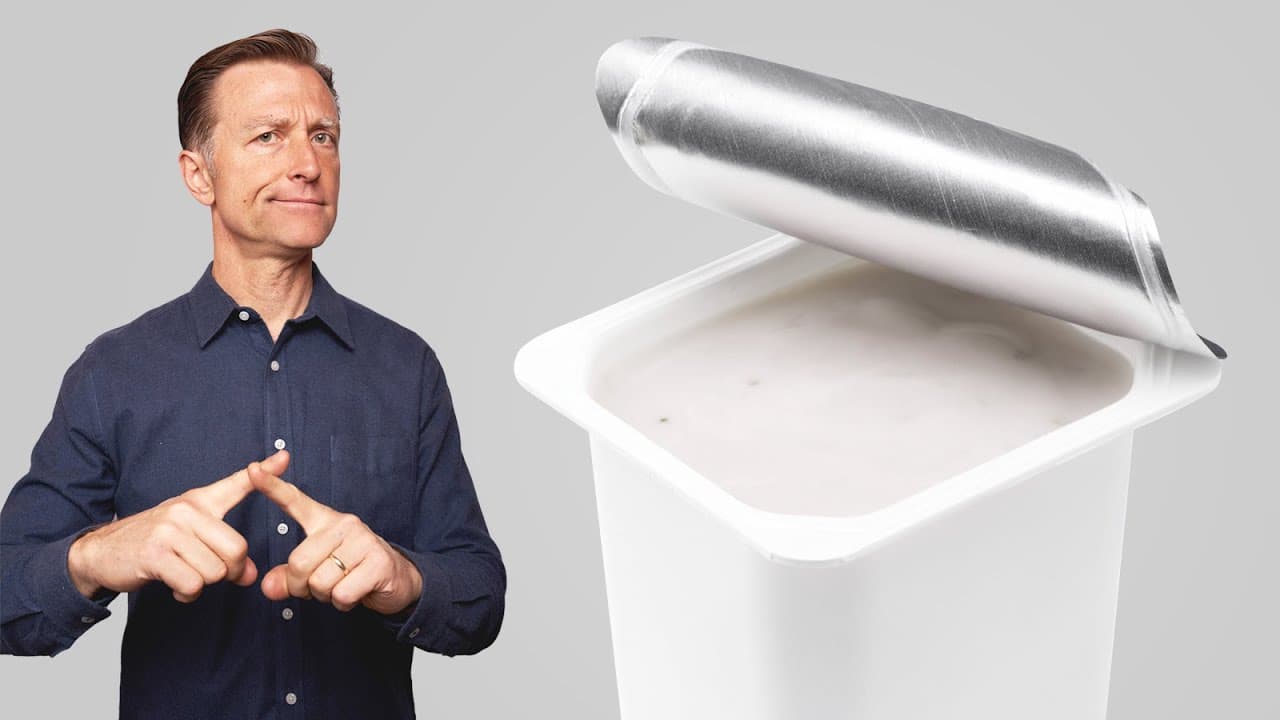
Yogurt is not the best source of probiotics due to limited strains, pasteurization, and added sugars. Superior alternatives include kefir, which offers more diverse bacteria, and fermented foods like sauerkraut and kimchi, which provide extensive health benefits and robust probiotic content.
Transcript
is consuming yogurt the best way to get your probiotics well the answer is no it's not unfortunately the bacteria and yogurt gets killed at the stomach level not to mention there's limited strains of microbes in yogurt i mean sometimes there's two sometimes there's three if you're lucky you might have five or six and the way that they rate these mi... Read More
Key Insights
- 👋 Yogurt is not the best source of probiotics due to limited strains, pasteurization, added sugar, and lactose content.
- ✋ Kefir is a superior option to yogurt, containing a higher amount of CFUs and less lactose.
- 🧑⚕️ Sauerkraut is a non-dairy probiotic source with additional health benefits like fiber and vitamins.
- ✋ Kimchi is a superfood with high levels of probiotics, vitamins, antioxidants, and anti-inflammatory properties.
- ⚾ Lacto-fermented pickles are recommended over vinegar-based pickles for probiotics and should be unpasteurized and refrigerated.
- ❓ Probiotics can improve digestion and have a positive impact on overall well-being.
- ☠️ Vitamin K2 in sauerkraut and kimchi helps with calcium transport and bone health.
Install to Summarize YouTube Videos and Get Transcripts
Explore YouTube Video Summarizer or Get YouTube Transcript Extractor
Questions & Answers
Q: Why is yogurt not the best source of probiotics?
Yogurt has limited strains of microbes, undergoes pasteurization which kills bacteria, contains added sugar and lactose that can cause digestive issues and allergies.
Q: How does kefir compare to yogurt as a probiotic source?
Kefir contains a higher amount of CFUs, with about 27 billion compared to yogurt's 3.6 billion. It also has less lactose, making it more suitable for lactose intolerant individuals, and offers diverse and beneficial bacterial strains for gut health.
Q: What are the health benefits of sauerkraut?
Sauerkraut provides probiotics, fiber, vitamins K1 and K2, potassium, and phytonutrients like lutein and zeaxanthin. It supports digestion, blood sugar levels, eye health, and can help with conditions such as diverticulitis and ulcers.
Q: What makes kimchi a superfood?
Kimchi is fermented cabbage with additional ingredients like red chili, radish, garlic, ginger, and sea salt. It is rich in probiotics, vitamin C, K1, K2, potassium, B vitamins, and has anti-cancer, anti-inflammatory, and liver-protective properties.
Key Insights:
- Yogurt is not the best source of probiotics due to limited strains, pasteurization, added sugar, and lactose content.
- Kefir is a superior option to yogurt, containing a higher amount of CFUs and less lactose.
- Sauerkraut is a non-dairy probiotic source with additional health benefits like fiber and vitamins.
- Kimchi is a superfood with high levels of probiotics, vitamins, antioxidants, and anti-inflammatory properties.
- Lacto-fermented pickles are recommended over vinegar-based pickles for probiotics and should be unpasteurized and refrigerated.
- Probiotics can improve digestion and have a positive impact on overall well-being.
- Vitamin K2 in sauerkraut and kimchi helps with calcium transport and bone health.
- Radishes in kimchi have potent anti-cancer effects and support liver health.
Summary & Key Takeaways
-
Yogurt is not the best source of probiotics due to limited strains, pasteurization, added sugar, and lactose content.
-
Kefir, made with kefir grains, contains more diverse and beneficial strains of probiotics compared to yogurt.
-
Sauerkraut is a non-dairy option with billions of colony forming units (CFUs) per serving, along with additional health benefits like fiber, vitamins, and phytonutrients.
-
Kimchi, a fermented cabbage dish, is a superfood rich in probiotics, vitamins, antioxidants, and anti-inflammatory properties.
-
Lacto-fermented pickles are a good source of probiotics when made without pasteurization, providing beneficial bacteria for gut health.
Read in Other Languages (beta)
Share This Summary 📚
Summarize YouTube Videos and Get Video Transcripts with 1-Click
Try YouTube Summary with ChatGPT & Claude or YouTube Transcript Generator
Explore More Summaries from Dr. Eric Berg DC 📚



Summarize YouTube Videos and Get Video Transcripts with 1-Click
Try YouTube Summary with ChatGPT & Claude or YouTube Transcript Generator