From Couch Potato to Athlete: A Step-by-Step Guide to Treadmill Training for Dogs
TL;DR
Teach your dog treadmill running with step-by-step guidance.
Transcript
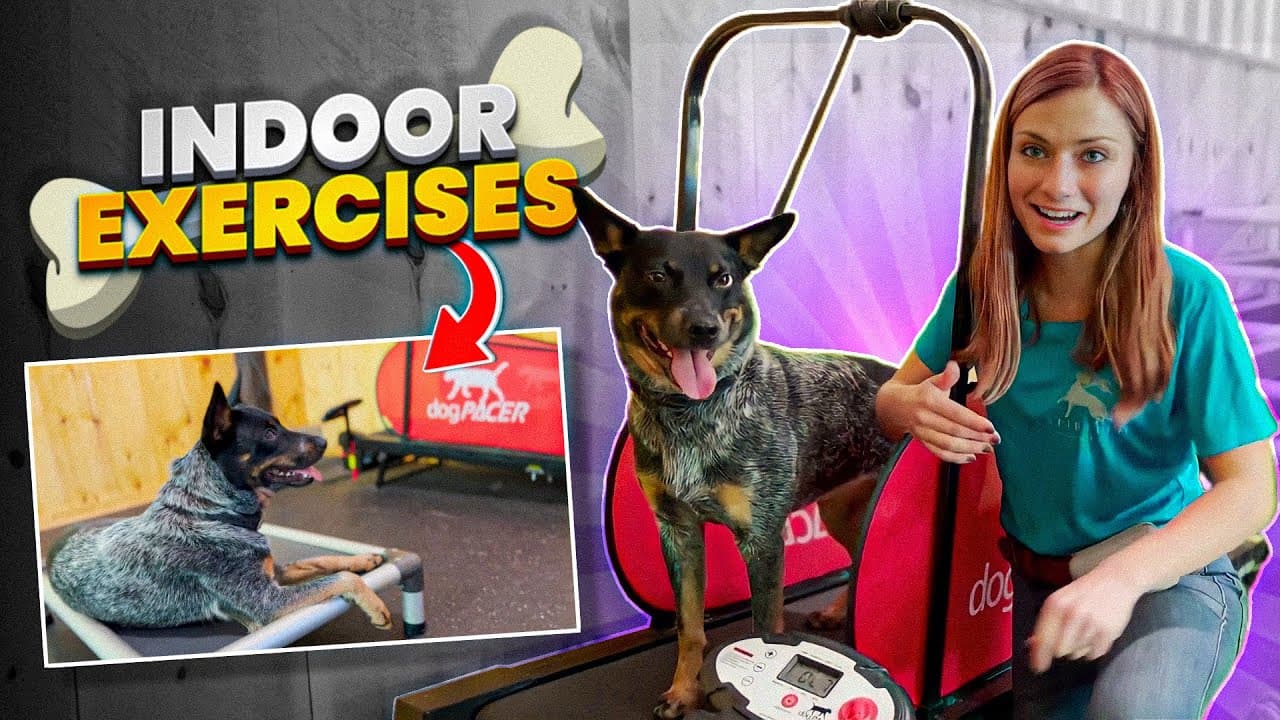
so one great form of exercise is teaching your dog how to run on treadmill it's wonderful look for those really rainy days um this treadmill here in particular this is a dog pacer this treadmill is designed for dogs because it's longer it has that little incline on it and has this bar right here which makes it really easy to put an attachment onto ... Read More
Key Insights
- Dog treadmills are designed specifically for canine use, with features like longer tracks and inclines, but human treadmills can also be used effectively.
- Introducing a dog to a treadmill requires teaching them the 'place' command first, ensuring they are comfortable and confident before starting.
- Using a leash and high-value rewards like peanut butter can help guide and motivate a dog onto the treadmill, especially if they are nervous.
- The sound of the treadmill should be introduced gradually, as some dogs may be sensitive to the noise, while others may not be bothered.
- Initial treadmill sessions should be short and positive, focusing on getting the dog accustomed to the movement without running.
- As the dog becomes more confident, the speed can be gradually increased to a comfortable walking pace, eventually progressing to jogging.
- Dogs should always be supervised when on the treadmill to prevent accidents, and the sessions should be tailored to each dog's comfort and ability.
- Over time, dogs can learn to use the treadmill without a leash, but initial sessions should include some form of attachment for safety.
Install to Summarize YouTube Videos and Get Transcripts
Explore YouTube Video Summarizer or Get YouTube Transcript Extractor
Questions & Answers
Q: Why is it important to teach the 'place' command before treadmill training?
The 'place' command is crucial as it helps the dog become comfortable and confident with staying in a specific area. This foundational behavior ensures the dog is prepared to learn more complex tasks, like treadmill training, by providing a sense of security and understanding of boundaries.
Q: What should you do if a dog is nervous about the treadmill's sound?
If a dog is nervous about the treadmill's sound, introduce the noise gradually while the dog is nearby but not on the treadmill. Reward them with treats and praise to create a positive association with the sound. This approach helps reduce anxiety by familiarizing the dog with the treadmill's presence and noise.
Q: How can you motivate a dog to get onto the treadmill?
Motivate a dog to get onto the treadmill by using a leash for guidance and offering high-value rewards, such as treats or peanut butter, to encourage them onto the machine. Positive reinforcement and patience are key, as they help build the dog's confidence and willingness to engage with the treadmill.
Q: What is the recommended progression for treadmill training?
The recommended progression for treadmill training starts with short, positive sessions focusing on getting the dog accustomed to standing on the treadmill. Gradually increase the speed to a comfortable walking pace, and over time, progress to jogging. Always ensure the dog is comfortable and confident at each stage before advancing.
Q: Why should dogs always be supervised on a treadmill?
Dogs should always be supervised on a treadmill to prevent accidents, such as falling off or getting injured. Supervision ensures that any signs of distress or discomfort are addressed immediately, providing a safe and positive training environment. It also allows for adjustments to the session based on the dog's responses.
Q: How long should initial treadmill sessions be for dogs?
Initial treadmill sessions for dogs should be very short, lasting only a few seconds to a minute, focusing on getting the dog accustomed to the treadmill's movement. As the dog becomes more comfortable, gradually increase the duration, but always keep sessions positive and within the dog's comfort zone.
Q: What should you do if a dog becomes limp on the treadmill?
If a dog becomes limp on the treadmill, offer support by gently guiding them with the leash until they take a few steps. Turn off the treadmill and end the session positively. Gradually build their confidence with short sessions and encouragement, ensuring they associate the treadmill with a positive experience.
Q: Can dogs eventually run without a leash on the treadmill?
Yes, dogs can eventually run without a leash on the treadmill once they are fully comfortable and confident with the machine. Initially, a leash or attachment is recommended for safety, but as the dog becomes more experienced and reliable on the treadmill, they can progress to running without it under supervision.
Summary & Key Takeaways
-
Teaching a dog to run on a treadmill involves gradual steps, starting with the 'place' command to build confidence. Use a leash and rewards to guide them onto the treadmill.
-
Introduce the treadmill's sound separately to avoid startling the dog. Begin with short sessions focusing on walking before gradually increasing the speed.
-
Supervise dogs at all times during treadmill use, adjusting sessions to their comfort level. Over time, dogs can run without a leash on the treadmill.
Read in Other Languages (beta)
Share This Summary 📚
Summarize YouTube Videos and Get Video Transcripts with 1-Click
Try YouTube Summary with ChatGPT & Claude or YouTube Transcript Generator
Explore More Summaries from Nate Schoemer 📚



Summarize YouTube Videos and Get Video Transcripts with 1-Click
Try YouTube Summary with ChatGPT & Claude or YouTube Transcript Generator