Why Have Hackers Shifted to Financial Crimes?
TL;DR
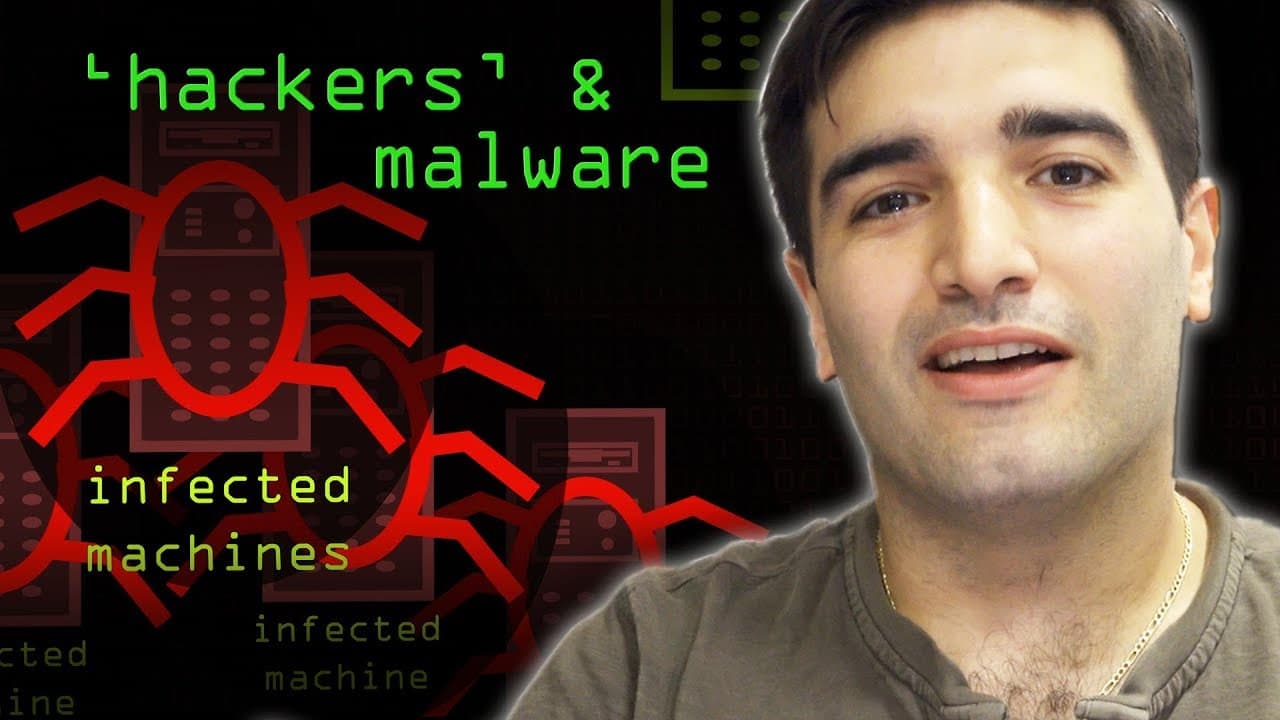
Hackers have evolved from playful enthusiasts to financially motivated criminals, targeting sensitive online information. Malware such as Zeus and Torpig intercepts user forms to steal credentials and send them to command and control servers, enabling cybercriminals to exploit valuable data.
Transcript
When we think about hackers we first think about what was happening in the early times of the internet so before the mid 90s there were people having fun and trying out new things. The best representation, even if not the best movie, is the movie from 1995, Hackers, with young Angelina Jolie as well. RISC architecture is going to change everything.... Read More
Key Insights
- 🥳 The movie "Hackers" from 1995, though not the best, is a representation of hackers in the earlier days of the internet.
- 🥺 The invention of the World Wide Web led to a revolution in storing and processing information online, making banks vulnerable to hackers.
- 💁 Information stealing malware like Zeus and Torpig intercept user forms on infected computers to steal valuable information.
- 🛟 The torpig botnet introduced a domain generation algorithm to dynamically locate command and control servers, evading traditional takedown methods.
- 🥺 Researchers were able to reverse-engineer the torpig botnet and identify the algorithm, leading to prevention of its activity.
- 👤 Ransomware has evolved from screen lockers to encryptors, posing a greater threat to users' data.
- 👮 Ransomware attackers often demand payment in cryptocurrencies, such as Bitcoin, to make tracing difficult for law enforcement.
Install to Summarize YouTube Videos and Get Transcripts
Explore YouTube Video Summarizer or Get YouTube Transcript Extractor
Questions & Answers
Q: How have hackers evolved over time?
Hackers in the early days of the internet were more focused on exploration and fun, but now they are motivated by money and target valuable online information.
Q: What is information stealing malware?
Information stealing malware intercepts user forms on infected computers to steal login credentials, bank details, and other sensitive data. It sends this information to a command and control server controlled by hackers.
Q: How do researchers prevent the activity of information stealing malware?
Researchers reverse-engineer the malware to find the domain generation algorithm used to locate command and control servers. By registering the domains before the malware can activate, they prevent infected machines from receiving instructions.
Q: How does ransomware work?
Ransomware locks users' screens and encrypts their data. The attackers demand payment in exchange for a decryption key, but there is no guarantee that paying will prevent further infections or ensure the correct key is provided.
Summary & Key Takeaways
-
Hackers have transformed from hobbyists to criminals motivated by financial gain in the age of the internet.
-
Information stealing malware intercepts user forms on infected computers, such as login credentials and bank details, and sends them to a command and control server.
-
The torpig botnet introduced a domain generation algorithm to evade detection, but researchers were able to reverse-engineer it and prevent its activity.
Read in Other Languages (beta)
Share This Summary 📚
Summarize YouTube Videos and Get Video Transcripts with 1-Click
Try YouTube Summary with ChatGPT & Claude or YouTube Transcript Generator
Explore More Summaries from Computerphile 📚




Summarize YouTube Videos and Get Video Transcripts with 1-Click
Try YouTube Summary with ChatGPT & Claude or YouTube Transcript Generator