What Were the Causes and Effects of the War of 1812?
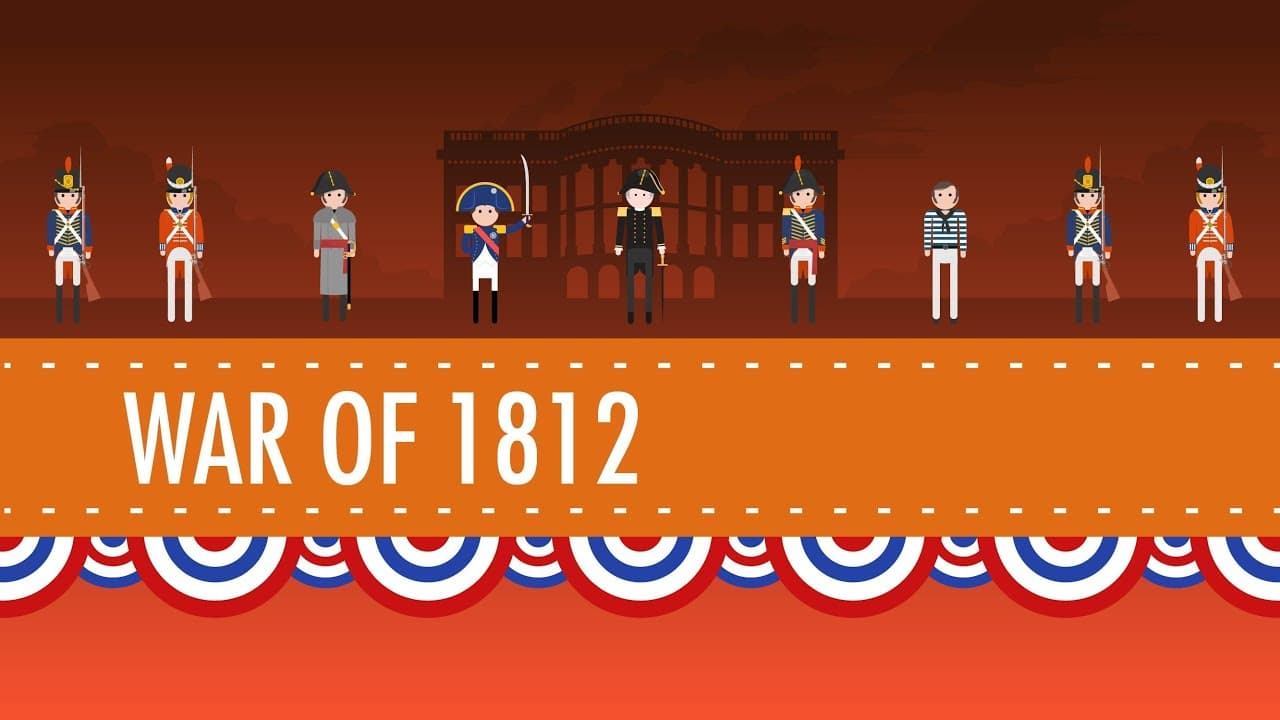
TL;DR
The War of 1812 was driven by British impressment of American sailors and trade restrictions, but also by American expansionist desires. Despite no territorial changes, it confirmed U.S. sovereignty and spurred nationalism. Native Americans, however, suffered significant losses. The war's ambiguous outcome left the U.S. and Britain with unresolved issues but solidified America's place on the world stage.
Transcript
Hi, I'm John Green, this is Crash Course US History and today we're going to talk about what America's best at: War. [Patriotic Rock Music] Uh, Mr. Green, the United States has actually only declared war 5 times in the last 230 years. Oh me from the the past, you sniveling literalist. Well today we're going to talk about America's first declared wa... Read More
Key Insights
- The War of 1812 was initiated due to British impressment of American sailors and trade restrictions.
- American expansionist desires, including the ambition to annex Canada, fueled the war.
- Native Americans, led by Tecumseh, faced significant territorial losses as a result of the war.
- The Treaty of Ghent ended the war without territorial changes, restoring the status quo.
- The war confirmed U.S. sovereignty, preventing future British invasions.
- The war marked the decline of the Federalist Party, particularly after the Hartford Convention.
- American nationalism surged post-war, despite no clear victory or territorial gains.
- The war highlighted the U.S.'s emerging role as a significant player on the global stage.
Install to Summarize YouTube Videos and Get Transcripts
Explore YouTube Video Summarizer or Get YouTube Transcript Extractor
Questions & Answers
Q: What caused the War of 1812?
The War of 1812 was primarily caused by British impressment of American sailors and restrictions on American trade due to the Napoleonic Wars. Additionally, American expansionist desires, particularly the ambition to annex Canada and expand westward into Native American territories, fueled the decision to declare war.
Q: Why did the U.S. declare war on Britain in 1812?
The U.S. declared war on Britain in 1812 due to the impressment of American sailors, trade restrictions imposed by Britain, and a desire for territorial expansion. The 'war hawks,' led by figures like Henry Clay, saw British actions as an affront to American sovereignty and national honor, pushing for military action.
Q: What was the outcome of the War of 1812?
The War of 1812 ended with the Treaty of Ghent, which restored pre-war conditions without territorial changes. The war confirmed U.S. sovereignty, preventing further British invasions, and fueled American nationalism. However, Native Americans lost significant territory and influence, marking them as the war's biggest losers.
Q: How did the War of 1812 affect Native Americans?
Native Americans suffered significant losses in the War of 1812, both in terms of territory and influence. Leaders like Tecumseh, who sought to resist American expansion, were defeated. The war weakened Native American resistance, facilitating further U.S. expansion westward and resulting in the loss of lands for many tribes.
Q: What was the Treaty of Ghent?
The Treaty of Ghent, signed on December 24, 1814, ended the War of 1812 between the U.S. and Britain. It restored the status quo ante bellum, meaning no territorial changes occurred. The treaty did not address the issues of impressment or trade restrictions but marked the end of hostilities and confirmed U.S. sovereignty.
Q: How did the War of 1812 influence American nationalism?
The War of 1812 spurred a surge in American nationalism despite its ambiguous outcome. The successful defense against Britain, particularly the victory at the Battle of New Orleans, instilled a sense of pride and unity. This nationalistic fervor contributed to the U.S.'s emerging identity as a significant global player.
Q: What was the Hartford Convention?
The Hartford Convention was a series of meetings held by the Federalist Party in 1814-1815, where they discussed grievances regarding the War of 1812 and proposed constitutional amendments. However, their timing coincided with the American victory at New Orleans, making them appear unpatriotic and contributing to the party's decline.
Q: What role did Canada play in the War of 1812?
Canada was a major focus of American military efforts during the War of 1812, as the U.S. sought to annex Canadian territory. However, these attempts were largely unsuccessful, reinforcing Canadian nationalism and solidifying its identity separate from the United States. The war confirmed Canada's status as a British territory.
Summary & Key Takeaways
-
The War of 1812 stemmed from British impressment of American sailors and trade restrictions, alongside American territorial ambitions. Although no territory changed hands, the war confirmed U.S. sovereignty and fueled nationalism. Native Americans, particularly those allied with Tecumseh, suffered significant losses, losing territory and influence.
-
The Treaty of Ghent ended the War of 1812 without resolving the issues of impressment or trade, maintaining the pre-war status quo. Despite this, the war solidified America's presence as an independent nation and marked the decline of the Federalist Party, which appeared unpatriotic post-war.
-
The war's aftermath saw a rise in American nationalism, with the United States emerging as a notable player on the world stage. The conflict also reinforced Canadian nationalism, as American attempts to annex Canada failed. Native American resistance weakened, leading to further U.S. expansion westward.
Read in Other Languages (beta)
Share This Summary 📚
Summarize YouTube Videos and Get Video Transcripts with 1-Click
Try YouTube Summary with ChatGPT & Claude or YouTube Transcript Generator
Explore More Summaries from CrashCourse 📚



Summarize YouTube Videos and Get Video Transcripts with 1-Click
Try YouTube Summary with ChatGPT & Claude or YouTube Transcript Generator