How to Invest in Real Estate with No Money Down
TL;DR
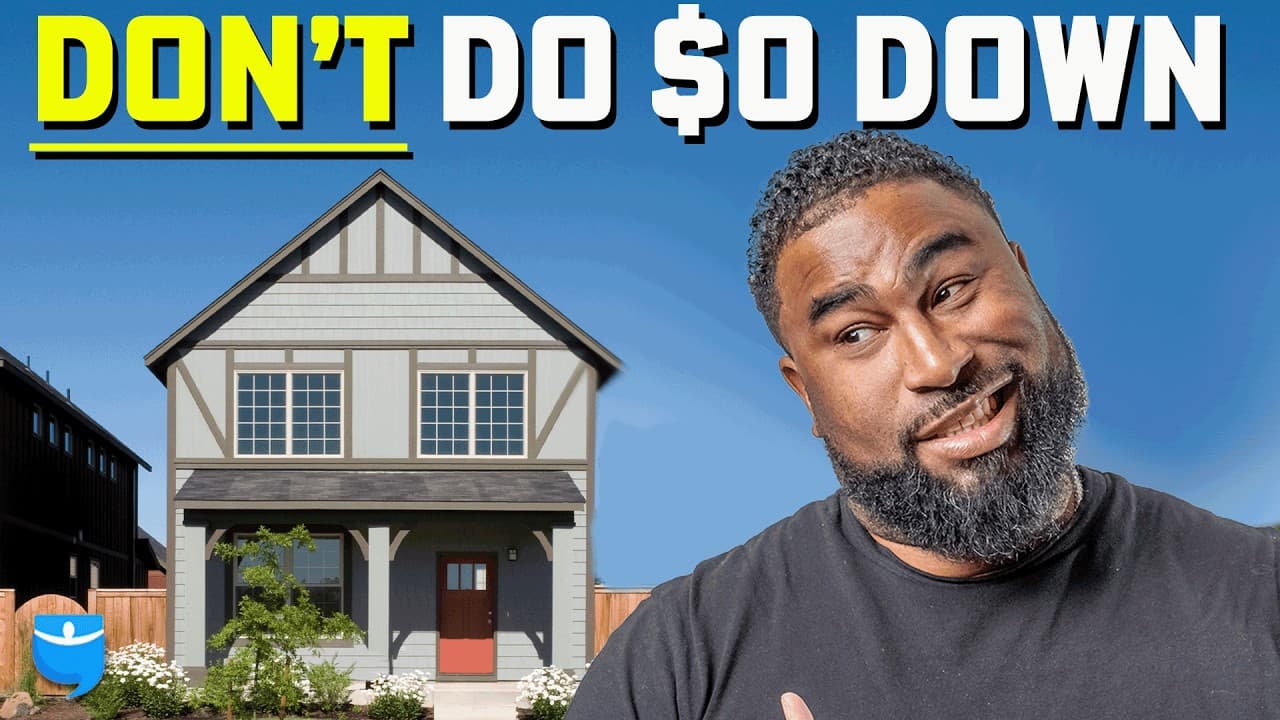
Investing in real estate with no money down is possible through 100% financing or creative strategies like owner financing. However, having cash reserves is crucial for managing unexpected expenses, ensuring tenant safety, and avoiding financial pitfalls. Evaluating your risk tolerance and securing great deals are key to successful real estate investments without upfront cash.
Transcript
you do not need lots of Cold Hard Cash to buy real estate but if you really want to own real estate that's a different story you have to protect yourself and your Investments this is something I hear people say all the time you can only buy real estate if you've got a lot of money and that's just not true you can absolutely Finance the property 100... Read More
Key Insights
- 100% financing allows buying real estate with no money out of pocket, but it requires careful consideration of risk tolerance.
- Cash reserves are essential for managing unexpected property expenses and maintaining tenant safety.
- Creative financing, like owner financing, can enable property purchase with little to no money down.
- Risk tolerance varies among investors; some prefer leveraging more, while others prefer putting money down.
- Buying a great deal is crucial to mitigate risks associated with high leverage real estate investments.
- Understanding and negotiating terms in owner financing can benefit both buyer and seller.
- Having a financial safety net helps avoid legal issues and ensures safe housing for tenants.
- Evaluating personal financial capacity and investment goals is vital before opting for no-money-down strategies.
Install to Summarize YouTube Videos and Get Transcripts
Explore YouTube Video Summarizer or Get YouTube Transcript Extractor
Questions & Answers
Q: How to invest in real estate with no money?
Investing in real estate with no money down is possible through 100% financing, where lenders cover the entire purchase and renovation costs. Alternatively, creative strategies like owner financing allow negotiating terms directly with sellers. However, having cash reserves is crucial for handling unexpected expenses and ensuring tenant safety.
Q: What is owner financing in real estate?
Owner financing is a real estate transaction where the seller acts as the lender, allowing the buyer to make payments directly to them instead of through a traditional bank. This method often requires negotiating terms like down payment, interest rate, and loan duration, providing flexibility for both parties.
Q: Why are cash reserves important in real estate investing?
Cash reserves are vital in real estate investing to manage unexpected expenses such as repairs or maintenance, ensuring tenant safety and avoiding financial distress. They act as a financial safety net, enabling property owners to address issues promptly without risking their investment or facing legal challenges.
Q: What are the risks of 100% financing in real estate?
The risks of 100% financing in real estate include increased financial leverage, which can lead to higher vulnerability to market fluctuations and unexpected expenses. Without sufficient cash reserves, investors may struggle to manage property issues, potentially resulting in financial loss or legal complications.
Q: How to determine if 100% financing is right for you?
Determining if 100% financing is right for you involves assessing your risk tolerance, financial capacity, and investment goals. Consider whether you have adequate cash reserves to manage unexpected expenses and if you can secure a good deal that mitigates risks associated with high leverage.
Q: What are the benefits of creative financing in real estate?
Creative financing, such as owner financing, offers flexibility in terms negotiation, potentially reducing or eliminating down payments. This approach allows buyers to tailor agreements based on their financial situation and investment goals, facilitating property acquisition without traditional bank loans.
Q: How can investors protect themselves in no-money-down deals?
Investors can protect themselves in no-money-down deals by maintaining substantial cash reserves for unexpected expenses, thoroughly evaluating property deals to ensure profitability, and understanding their risk tolerance. Securing favorable financing terms and having a contingency plan for potential financial challenges are also crucial.
Q: What should you consider before investing with no money down?
Before investing with no money down, consider your risk tolerance, financial stability, and ability to manage unexpected property expenses. Evaluate the quality of the real estate deal, potential market risks, and ensure you have a financial safety net to address any issues that may arise during property ownership.
Summary & Key Takeaways
-
Investing in real estate with no money down is feasible through 100% financing or owner financing. However, maintaining cash reserves is critical for managing unforeseen expenses and ensuring tenant safety. Investors must assess their risk tolerance and secure good deals to succeed with this strategy.
-
Owner financing allows buyers to negotiate terms directly with sellers, potentially eliminating the need for a down payment. This strategy requires understanding key terms like interest rate, down payment, and loan duration, aiming for a win-win agreement.
-
While no-money-down investments attract those lacking funds, it's crucial to have financial safeguards in place. Cash reserves protect against unexpected repairs and legal issues, emphasizing the importance of financial preparedness in real estate ownership.
Read in Other Languages (beta)
Share This Summary 📚
Summarize YouTube Videos and Get Video Transcripts with 1-Click
Try YouTube Summary with ChatGPT & Claude or YouTube Transcript Generator
Explore More Summaries from BiggerPockets 📚






Summarize YouTube Videos and Get Video Transcripts with 1-Click
Try YouTube Summary with ChatGPT & Claude or YouTube Transcript Generator