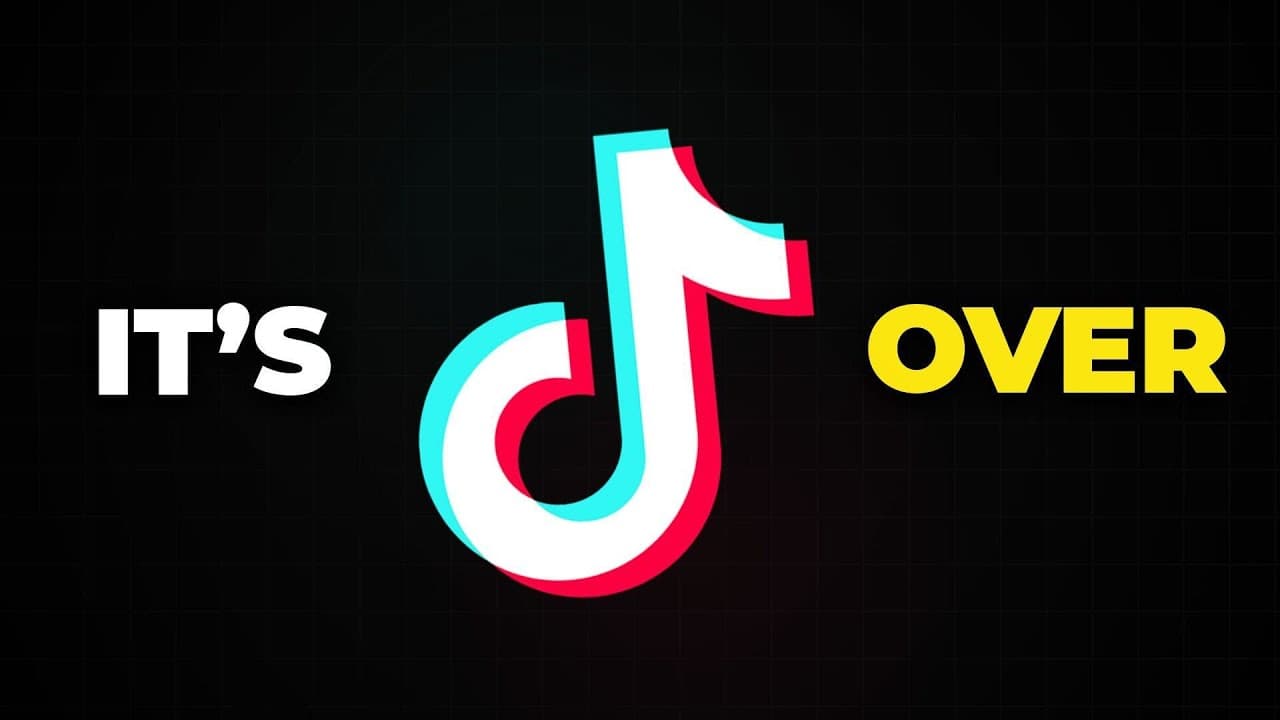
TikTok Is Banned
TL;DR
The US government enacts a law to ban TikTok over national security concerns.
Transcript
- TikTok is banned. The Supreme Court refuses to state the execution of the law that effective January 19th forces TikTok to be sold to a US company or to shut down. You might have seen customers react to the US government trying to ban TikTok over concerns that its Chinese parent company could exert too much control and provide information to the ... Read More
Key Insights
- TikTok is required to be sold to a US company or face a ban due to national security concerns involving its Chinese parent company, ByteDance.
- The Protecting Americans from Foreign Adversary Controlled Applications Act identifies China, North Korea, Russia, and Iran as foreign adversaries, barring their apps in the US.
- The Supreme Court upheld the Act, stating it protects national security by preventing potential misuse of American data by foreign adversaries.
- TikTok and its users argued the Act infringed on First Amendment rights, but the court ruled the Act as content neutral and necessary for national security.
- The court applied heightened scrutiny to the Act, acknowledging its content-neutral justification for addressing data collection threats.
- The US government claims TikTok poses a significant risk due to ByteDance's ties to China, potentially allowing unauthorized data access.
- Critics argue the law is both over-inclusive and under-inclusive, not addressing similar data practices by American companies like Facebook.
- Despite the court's ruling, both outgoing and incoming US Presidents have indicated they will not enforce the law, highlighting executive discretion in law enforcement.
Install to Summarize YouTube Videos and Get Transcripts
Explore YouTube Video Summarizer or Get YouTube Transcript Extractor
Questions & Answers
Q: Why is TikTok being banned in the US?
TikTok is being banned due to national security concerns that its Chinese parent company, ByteDance, could allow unauthorized access to American user data by the Chinese government. The US government enacted a law requiring TikTok to be sold to a US company to mitigate this perceived threat.
Q: What does the Protecting Americans from Foreign Adversary Controlled Applications Act entail?
The Act prohibits the distribution, maintenance, or provision of internet hosting services for applications controlled by foreign adversaries, specifically China, North Korea, Russia, and Iran. It requires ByteDance to sell TikTok to a US entity to remove foreign adversary control, failing which TikTok faces a ban.
Q: How did the Supreme Court justify upholding the ban on TikTok?
The Supreme Court justified upholding the ban by emphasizing the government's compelling interest in protecting national security. The court ruled the Act as content neutral, focusing on preventing potential misuse of American user data by foreign adversaries rather than targeting specific speech content.
Q: What arguments did TikTok present against the ban?
TikTok argued that the ban infringes on First Amendment rights by curtailing protected speech. They claimed the Act is over-inclusive, targeting more entities than necessary, and under-inclusive, not addressing similar data practices by American companies. TikTok proposed less restrictive alternatives, which were rejected by the court.
Q: What level of scrutiny did the court apply to the TikTok ban?
The court applied heightened scrutiny to the TikTok ban, considering it content neutral. The court assumed without deciding that the Act implicates the First Amendment, engaging in a First Amendment analysis but not applying strict scrutiny due to the Act's content-neutral nature.
Q: How does the Act impact TikTok's operations in the US?
The Act does not impose an outright ban but requires TikTok's parent company, ByteDance, to divest its ownership to a US entity. If ByteDance fails to comply, TikTok faces a ban in the US. The Act targets the operational structure of TikTok rather than user-generated content.
Q: What alternatives did TikTok propose to the government to avoid a ban?
TikTok proposed alternatives such as disclosure or reporting requirements, government counter-speech, limiting data collection, and extending bans on government devices. However, the court rejected these, agreeing with the government that only full divestiture would effectively address national security concerns.
Q: What is the current status of the TikTok ban enforcement?
Despite the court's ruling, both outgoing President Biden and incoming President Trump have indicated they will not enforce the law, highlighting the executive branch's discretion in law enforcement. This decision raises questions about the balance between national security and civil liberties.
Summary & Key Takeaways
-
The US government enacted a law requiring TikTok to be sold to a US company or face a ban, citing national security concerns over data access by its Chinese parent company, ByteDance. The Supreme Court upheld the law, emphasizing the government's interest in protecting sensitive data from foreign adversaries.
-
TikTok and its users challenged the law, arguing it violates First Amendment rights by curtailing protected speech. The court ruled the Act as content neutral, applying heightened scrutiny and determining it necessary to address data collection threats posed by foreign adversaries.
-
Despite the legal rulings, both outgoing President Biden and incoming President Trump have indicated they will not enforce the law, raising questions about executive discretion in law enforcement and the balance between national security and civil liberties.
Read in Other Languages (beta)
Share This Summary 📚
Summarize YouTube Videos and Get Video Transcripts with 1-Click
Try YouTube Summary with ChatGPT & Claude or YouTube Transcript Generator
Explore More Summaries from LegalEagle 📚
Summarize YouTube Videos and Get Video Transcripts with 1-Click
Try YouTube Summary with ChatGPT & Claude or YouTube Transcript Generator