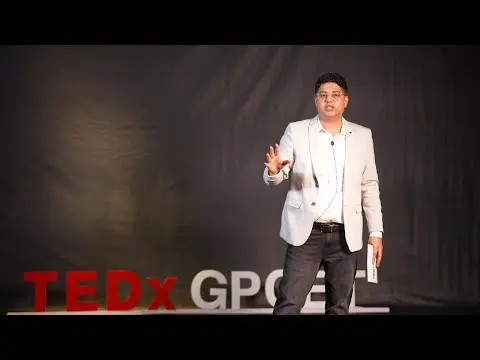
Live in the Moment: Delete Social Media | Ryan Thomas | TEDxAshburnSalon

TL;DR
Deleting social media can lead to personal growth and improved mental health.
Transcript
Transcriber: Mirjana Čutura Reviewer: Ivana Korom Hi, everyone. (Audience) Hey. I stand here with a simple offer, an offer that, if accepted, yields instantaneous results and inevitable positive consequences. My offer is this: the chance to purge yourself of social media and reclaim your personal identity. I challenge everyone to try going one week... Read More
Key Insights
- Social media can negatively impact personal identity by causing individuals to conform to societal standards rather than living authentically.
- The rapid growth of social media usage has changed how we interact, with more people connecting online than face-to-face.
- Excessive social media use can lead to addiction, affecting mental health and impeding the development of essential cognitive skills.
- The dopamine-driven design of social media platforms exploits the human need for belonging, similar to addiction pathways in the brain.
- Social media can create a false sense of connection, where online interactions replace meaningful face-to-face communication.
- Deleting social media can lead to a sense of freedom and individuality, allowing for personal growth and a clearer perspective on life.
- Ryan Thomas emphasizes the importance of being present in the moment, which can lead to greater happiness and improved relationships.
- The speaker challenges individuals to try a social media detox, suggesting it could lead to significant positive changes in life.
Install to Summarize YouTube Videos and Get Transcripts
Explore YouTube Video Summarizer or Get YouTube Transcript Extractor
Questions & Answers
Q: What is the main argument presented by Ryan Thomas in his talk?
Ryan Thomas argues that social media can negatively impact personal identity and mental health by encouraging conformity to societal standards and distracting from genuine human interaction. He suggests that quitting social media can lead to personal growth, improved mental well-being, and a clearer perspective on life.
Q: How does Ryan Thomas describe the impact of social media on human interactions?
Ryan Thomas describes social media as altering human interactions by replacing face-to-face communication with online connections. He highlights that people often spend more time interacting online than in person, which can lead to a false sense of connection and diminish the quality of real-life relationships.
Q: What are some of the negative effects of social media addiction mentioned in the talk?
Social media addiction can lead to decreased cognitive abilities, such as impaired problem-solving and planning skills, due to overuse of phones. It also contributes to mental health issues like depression and anxiety, as individuals compare themselves to others online and strive to meet unrealistic societal standards.
Q: Why does Ryan Thomas believe quitting social media can lead to personal growth?
Ryan Thomas believes quitting social media can lead to personal growth because it allows individuals to focus on their own lives and goals rather than being influenced by societal pressures online. Without the distraction of social media, people can develop a stronger sense of individuality and pursue their passions more effectively.
Q: What role does dopamine play in social media usage according to Ryan Thomas?
Dopamine plays a significant role in social media usage by creating a sense of pleasure and reward when individuals receive likes, comments, or shares. This dopamine-driven design exploits the human need for belonging and can lead to addictive behaviors similar to those seen in substance abuse.
Q: How did Ryan Thomas's life change after quitting social media?
After quitting social media, Ryan Thomas experienced a significant positive change in his life. He found a renewed passion for life, a clearer sense of individuality, and a greater appreciation for the world around him. He also became more focused on his personal goals and experienced improved mental well-being.
Q: What challenge does Ryan Thomas propose to the audience?
Ryan Thomas challenges the audience to try going one week without social media. He believes that this detox can lead to significant positive changes in life, such as increased happiness, improved relationships, and a deeper understanding of one's personal identity and goals.
Q: What is the potential benefit of being present in the moment, according to Ryan Thomas?
Being present in the moment can lead to greater happiness, as individuals are less preoccupied with comparing themselves to others online. It allows for more meaningful interactions and relationships, as people focus on real-life connections rather than virtual ones, leading to a more fulfilling and content life.
Summary & Key Takeaways
-
Ryan Thomas shares his experience of quitting social media, highlighting the profound positive changes it brought to his life. He argues that social media often distracts from genuine human interaction and personal growth, encouraging others to try a social media detox for self-discovery and improved mental well-being.
-
Social media platforms have rapidly become a dominant force in daily life, altering how people communicate and perceive themselves. Thomas discusses how these platforms can lead to addiction, negatively impacting mental health and personal identity, and suggests a week-long social media break for positive change.
-
By eliminating social media, Ryan Thomas found a renewed sense of individuality and purpose. He believes that being present in the moment fosters happiness and authentic relationships, urging others to consider the benefits of stepping away from social media to focus on personal development and real-life connections.
Read in Other Languages (beta)
Share This Summary 📚
Summarize YouTube Videos and Get Video Transcripts with 1-Click
Try YouTube Summary with ChatGPT & Claude or YouTube Transcript Generator
Explore More Summaries from TEDx Talks 📚

Summarize YouTube Videos and Get Video Transcripts with 1-Click
Try YouTube Summary with ChatGPT & Claude or YouTube Transcript Generator