7 habits of highly effective biohackers (optimize your health)
TL;DR
Explore seven biohacking habits to optimize health and productivity.
Transcript
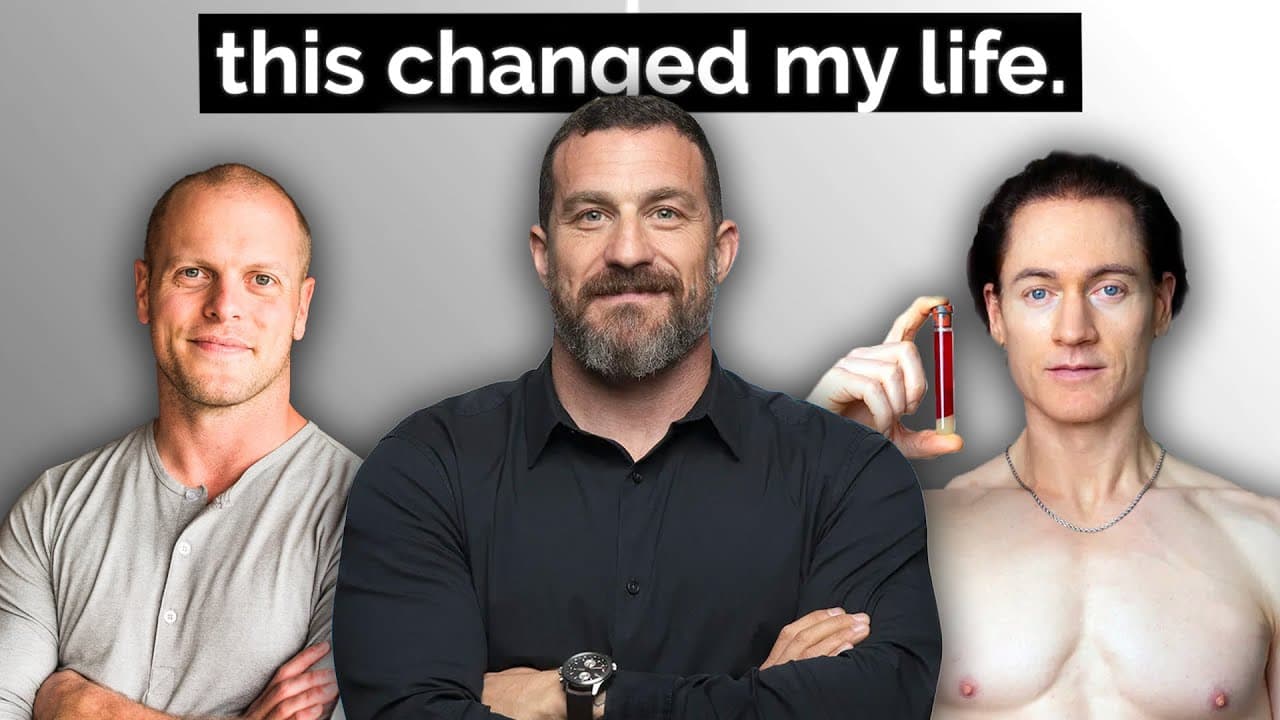
Over the past year, I've studied the routines of people like Brian Johnson, Tim Ferrris, and Andrew Herman to figure out how they developed such high levels of focus and productivity. And through that, I've discovered seven secret habits that these highly effective biohackers all do, and I've distilled them into this video. The first secret is know... Read More
Key Insights
- Quantified self is a foundational habit in biohacking, involving tracking personal data to improve health and productivity.
- Sleep hacking involves optimizing daily routines, such as caffeine intake and exposure to sunlight, to enhance sleep quality.
- Diet optimization focuses on minimizing glucose spikes through meal timing and planning, with intermittent fasting as a popular method.
- HRV training enhances stress management and athletic performance through regular cardio exercises to increase heart rate variability.
- Cold exposure, such as ice baths, boosts focus and energy by significantly increasing dopamine levels for hours.
- Meditation and breath work, like box breathing, can alter cognitive states and improve focus, with benefits supported by scientific studies.
- Self-experimentation is crucial in biohacking, as individual responses to habits vary, requiring personal testing and progress tracking.
- Safety and moderation are important in biohacking; extreme experiments can be risky, so conservative approaches are advised.
Install to Summarize YouTube Videos and Get Transcripts
Explore YouTube Video Summarizer or Get YouTube Transcript Extractor
Questions & Answers
Q: What is the quantified self in biohacking?
The quantified self is a biohacking habit that involves measuring various personal data points to track and improve one's health and productivity. This can include tracking physical activities, sleep patterns, and even daily routines. The goal is to establish a baseline and monitor improvements over time.
Q: How does sleep hacking contribute to productivity?
Sleep hacking enhances productivity by optimizing daily routines to improve sleep quality. This involves managing factors like caffeine intake, exposure to natural light, and blue light avoidance. Improved sleep quality leads to better focus, productivity, and athletic performance, making it a crucial biohacking habit.
Q: Why is diet optimization important in biohacking?
Diet optimization is important in biohacking because it helps minimize glucose spikes, which can affect focus and overall health. Techniques like intermittent fasting and meal planning are used to maintain steady glucose levels. Proper diet management is crucial for cognitive and physical performance.
Q: What is HRV training and its benefits?
HRV training involves exercises that increase heart rate variability, improving stress management, athletic performance, sleep, and recovery. Regular low-intensity and high-intensity cardio sessions enhance HRV. A higher HRV indicates better adaptability to different situations, benefiting overall health and performance.
Q: How does cold exposure affect focus and energy?
Cold exposure, such as ice baths, significantly boosts focus and energy by increasing dopamine levels by up to 250% for several hours. This effect is more potent than many nootropics or drugs. Cold exposure also enhances discipline and resilience, making it a valuable biohacking practice.
Q: What role does meditation play in biohacking?
Meditation plays a crucial role in biohacking by altering cognitive states and enhancing focus. Techniques like box breathing, used by Navy Seals, help manage stress and improve concentration. Regular meditation can increase gray matter in the brain, expanding cognitive abilities and supporting mental health.
Q: Why is self-experimentation important in biohacking?
Self-experimentation is vital in biohacking because individuals respond differently to the same habits. Testing and tracking personal progress allow for customization of biohacking practices to suit individual needs. This personalized approach ensures the effectiveness and safety of biohacking strategies.
Q: What precautions should be taken in biohacking?
In biohacking, it's important to prioritize health and safety. Extreme experiments can pose risks, so conservative approaches are recommended. Individuals should carefully consider the potential impacts of biohacking practices on their health and consult professionals if necessary. Moderation and informed experimentation are key.
Summary & Key Takeaways
-
Biohacking involves adopting habits like the quantified self, sleep hacking, and diet optimization to improve health and productivity. Tracking personal data and optimizing daily routines are key components. Sleep quality, glucose management, and heart rate variability are critical areas of focus.
-
Cold exposure and meditation are effective biohacking practices. Ice baths boost dopamine levels, enhancing focus. Breath work and meditation alter cognitive states, with techniques like box breathing used by Navy Seals. Self-experimentation is essential to customize habits for individual needs.
-
Biohacking requires careful consideration of health and safety. Extreme experiments can be dangerous, so conservative approaches are recommended. The seven habits discussed are foundational, but many more exist. Personal testing and progress tracking are vital for successful biohacking.
Read in Other Languages (beta)
Share This Summary 📚
Summarize YouTube Videos and Get Video Transcripts with 1-Click
Try YouTube Summary with ChatGPT & Claude or YouTube Transcript Generator
Explore More Summaries from Reysu 📚





Summarize YouTube Videos and Get Video Transcripts with 1-Click
Try YouTube Summary with ChatGPT & Claude or YouTube Transcript Generator