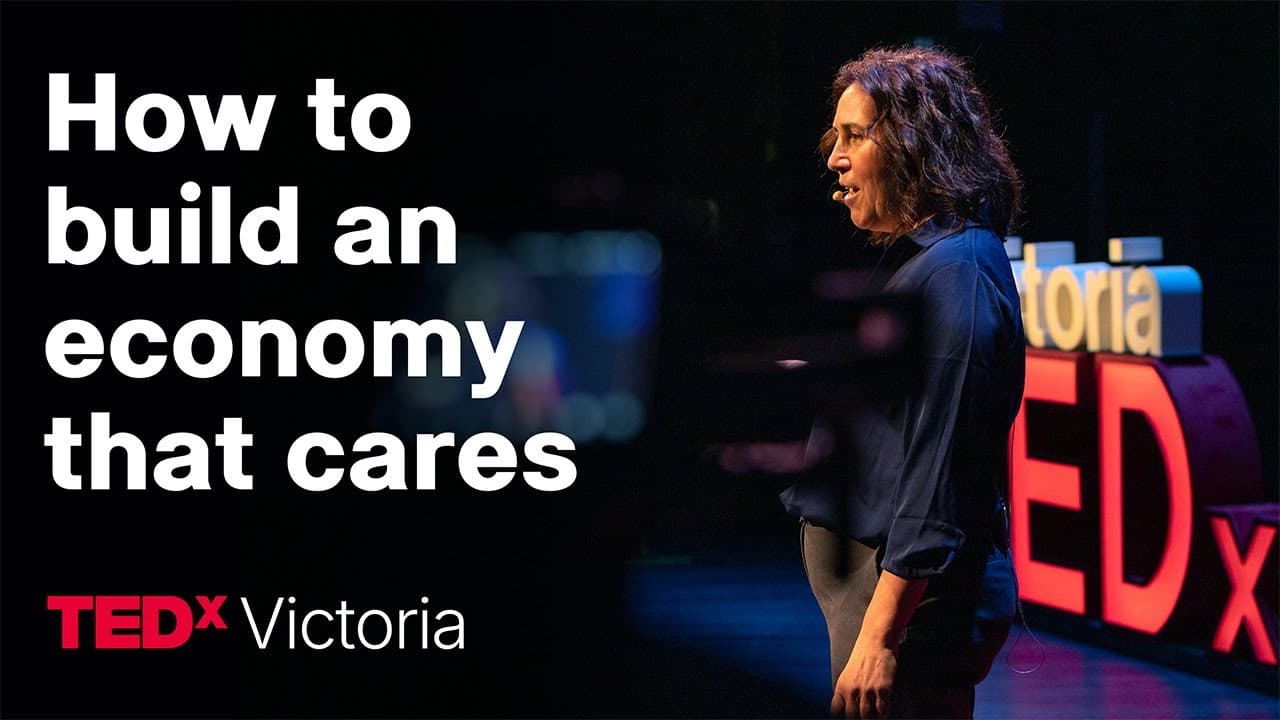
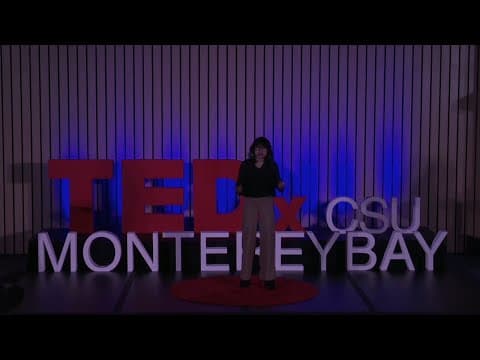
Non-profits are key to building an economy that cares | Kristi Rivait | TEDxVictoria
TL;DR
The nonprofit sector can reshape the economy to prioritize people and the planet alongside profits.
Transcript
do you like stories awesome I've always found them very fascinating because what we believe is possible in this world is really embedded in the stories that we think are true and whether we recognize it or not our whole life we've been letting go of stories that don't serve anymore and embracing new ones that do have you heard about what's happenin... Read More
Key Insights
- 🌥️ Nonprofits constitute a vast economic force, representing a significant percentage of GDP and employing a large workforce.
- 😘 They are often mischaracterized as low-resource entities, but many organizations are achieving sustainability through innovative business models.
- ❓ Community involvement in nonprofits empowers collective decision-making and fosters deeper connections within neighborhoods.
- ❓ Evolving misconceptions about nonprofits can hinder their potential to create social impact and attract funding.
- 👨💼 Nonprofits generate socio-economic benefits that ripple throughout the community, improving local businesses and enhancing vibrancy.
- 🍉 Building a supportive environment for nonprofits not only strengthens them but contributes to long-term solutions for societal challenges.
- 👨💼 Collaborative efforts between businesses and nonprofits can yield mutually beneficial relationships that expand impact and resources.
Install to Summarize YouTube Videos and Get Transcripts
Explore YouTube Video Summarizer or Get YouTube Transcript Extractor
Questions & Answers
Q: What are the fundamental differences between nonprofits and for-profit organizations?
Nonprofits exist primarily to create social, environmental, or cultural benefits, while for-profits focus on generating profit for shareholders. Nonprofits are community-governed and emphasize service over profit maximization, which distinguishes their operational and mission-driven approaches from traditional businesses.
Q: Why is the narrative around nonprofits considered outdated?
The prevalent belief that nonprofits only survive through donations and volunteer efforts undermines their growing sophistication and diverse revenue strategies. Many nonprofits now employ professional staff, offer fair wages, and have begun developing alternative income sources, challenging the limiting perceptions that persist in society.
Q: How can individuals contribute to strengthening the nonprofit sector?
Individuals can support nonprofits by encouraging innovative revenue approaches within their board roles, donating flexibly, or partnering with nonprofits to enhance their outreach. Additionally, advocating for government support of capacity-building initiatives can also foster the growth and impact of nonprofits in the community.
Q: What impact do well-resourced nonprofits have on local economies?
Well-resourced nonprofits can significantly enhance local economies by creating jobs, facilitating community development, and offering vital services that improve overall quality of life. Their ability to generate funding for social and environmental programs contributes to a flourishing vibrancy in cities and addresses complex challenges such as poverty and climate change.
Q: How did the speaker's personal experiences shape their perspective on the economy?
The speaker's childhood experiences in a factory town, particularly witnessing the impacts of a strike and the focus on profit over community well-being, prompted a lifelong exploration of economic narratives. These experiences led to the realization that people and planet should be prioritized alongside profit, inspiring their commitment to nonprofit development.
Q: In what ways can the current economic system be viewed as harmful?
The existing economic system often promotes profit maximization at the expense of community welfare and environmental health. This can lead to systemic issues such as inequality and resource depletion, necessitating a shift toward models that genuinely consider the well-being of individuals and the planet.
Q: What are the six suggested ideas for improving the nonprofit sector?
The speaker offers several strategies, including board members encouraging new revenue ideas, funding agencies providing flexible financial support, nonprofit staff diversifying income sources, and businesses partnering with nonprofits to enhance their impact. Together, these actions can cultivate a healthier economic ecosystem.
Q: How can a shift in narratives about nonprofits lead to broader economic changes?
Shifting narratives that highlight the value of nonprofits can help create a more inclusive understanding of economics that values community impact over mere profit. By acknowledging nonprofits' roles in fostering societal good, individuals can collectively support changes that enhance community vibrancy and progress.
Summary & Key Takeaways
-
Nonprofits are essential to creating social, environmental, and cultural benefits, and they are increasingly recognized for their role in the economy, where they make up a significant portion of the GDP and employ many people.
-
The traditional view of nonprofits as merely reliant on donations is outdated; many are evolving to diversify revenue and offer fair wages, redefining their economic impact and dismantling negative stereotypes.
-
Embracing and supporting nonprofits can shift the economic narrative, moving away from a profit-only focus, and instead highlighting the importance of community well-being and sustainable practices.
Read in Other Languages (beta)
Share This Summary 📚
Summarize YouTube Videos and Get Video Transcripts with 1-Click
Try YouTube Summary with ChatGPT & Claude or YouTube Transcript Generator
Explore More Summaries from TEDx Talks 📚

Summarize YouTube Videos and Get Video Transcripts with 1-Click
Try YouTube Summary with ChatGPT & Claude or YouTube Transcript Generator