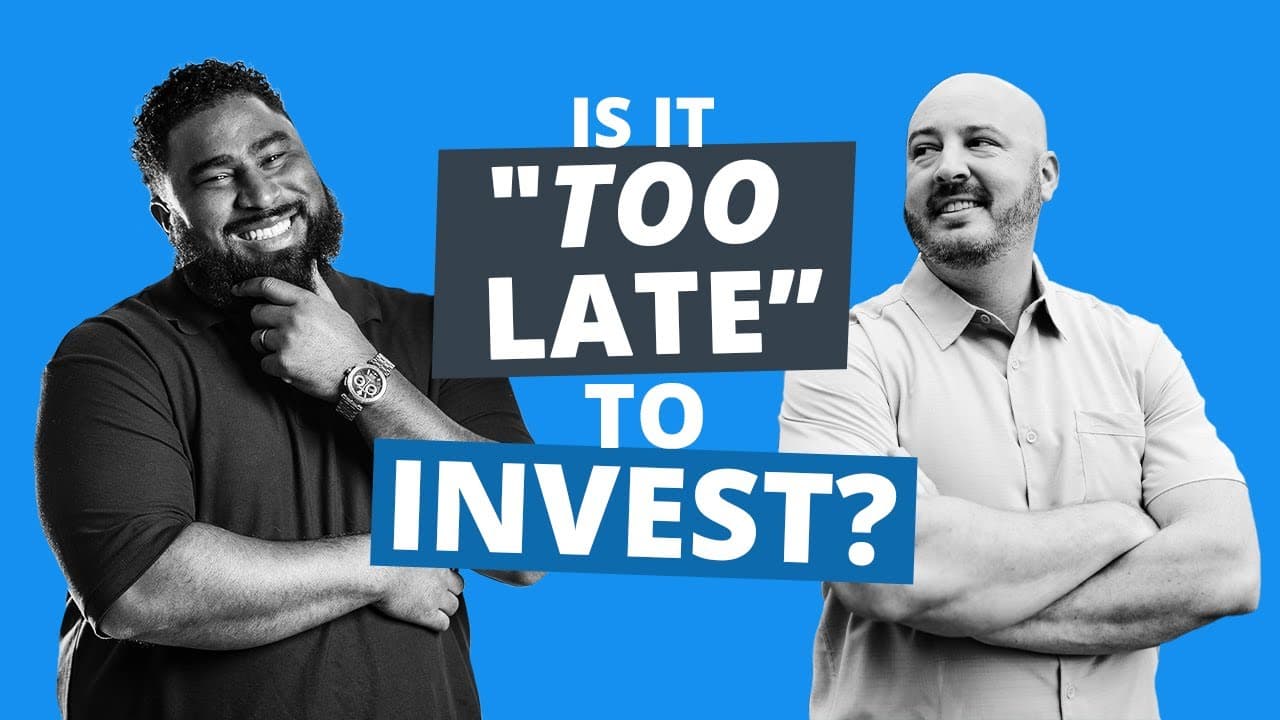
Building a House vs. Buying and When Is It "Too Late" To Invest?
TL;DR
Investors discuss building vs. buying, and overcoming investment challenges.
Transcript
this is the bigger pockets podcast show 6 10. now we're kind of a little in over our heads you know this is my first one so it's kind of the rookie nightmare sort of speak what everybody hears about why they don't get into it so i'm trying to wonder do we sell it do we keep it just chip away at the dead over time is there other options on what we c... Read More
Key Insights
- Building a rental property can be cost-effective but is only suitable in specific circumstances, particularly in areas with supportive municipalities like South Florida.
- Investors must consider the additional costs and risks associated with building, such as unexpected construction expenses and financing challenges.
- Investing in real estate involves learning from mistakes, as seen with a rookie investor facing issues with a BRRRR property due to underestimation of repair costs.
- Real estate investment is not just about financial gain; it also fosters personal growth, resilience, and improved financial discipline.
- Starting late in real estate investment can be advantageous if one leverages industry knowledge and builds on existing professional relationships.
- Foreign investors face challenges such as legal and financial barriers but can overcome them through local partnerships and thorough market research.
- A strong core team, including a reliable property manager and real estate agent, is crucial for successful long-distance investing.
- Investors should be adaptable and willing to explore various strategies, such as short-term rentals, to maximize cash flow and asset value.
Install to Summarize YouTube Videos and Get Transcripts
Explore YouTube Video Summarizer or Get YouTube Transcript Extractor
Questions & Answers
Q: How can I finance land for new construction?
Financing land for new construction is challenging as banks typically do not offer 30-year fixed-rate loans on land due to its lack of immediate value. Options include using hard money, private loans, or personal funds to purchase the land, then obtaining a construction loan. Once the property is built, refinancing into a traditional mortgage is possible. It's crucial to work with a knowledgeable construction crew familiar with local regulations.
Q: Should I sell or keep a problematic BRRRR property?
Deciding to sell or keep a problematic BRRRR property depends on the property's cash flow potential and the financial burden of ongoing repairs. If the property can generate sufficient cash flow to cover expenses and debt, it may be worth keeping. Consider alternative income strategies like short-term rentals to boost cash flow. Selling might be an option if the financial strain is too great, but it’s essential to weigh the long-term benefits of holding the asset.
Q: How can I start investing in real estate later in life?
Investing later in life can be successful by leveraging industry knowledge and existing professional relationships. Consider partnering with experienced investors or using your expertise to find and manage properties. Focus on building a portfolio that aligns with your financial goals and timeline, and don't hesitate to seek mentorship or advice from seasoned investors to accelerate your learning curve.
Q: What are the challenges of investing in real estate from abroad?
Investing from abroad involves legal and financial challenges, such as navigating foreign ownership laws and securing financing without a local credit score. Building a reliable core team, including a property manager and real estate agent, is crucial. Consider visiting the investment location to understand the market better and establish trust with local partners. It's essential to conduct thorough research and be prepared for a steep learning curve.
Q: Is it better to buy on the market or off-market?
The decision to buy on-market or off-market depends on the specific real estate market and investment strategy. On-market deals offer transparency and are easier to find, while off-market deals may provide better pricing and less competition. Understanding the local market dynamics and building a network of contacts can help identify the best opportunities. Tailor your approach based on your investment goals and the market conditions.
Q: How can I overcome analysis paralysis in real estate investing?
Overcoming analysis paralysis involves setting clear investment goals and timelines. Focus on building a strong foundation of knowledge and experience by starting with smaller, manageable investments. Leverage your existing skills and connections to gain confidence. Regularly review your progress and adjust your strategy as needed. Consider seeking mentorship or joining investment groups for support and accountability.
Q: What strategies can increase cash flow from a rental property?
To increase cash flow from a rental property, consider strategies such as short-term rentals, renting out additional space like a garage, or offering furnished rentals for higher rent. Regularly review and adjust rental rates to align with market trends. Implement cost-saving measures such as energy-efficient upgrades and proactive maintenance to reduce expenses. Explore refinancing options to lower mortgage payments and improve cash flow.
Q: How important is having a core team for real estate investing?
Having a core team is crucial for successful real estate investing, especially for long-distance investments. A reliable property manager, real estate agent, contractor, and lender can provide local market insights, manage operations, and handle logistical challenges. Building strong relationships with these professionals ensures smoother transactions and can significantly impact the success and profitability of your investments. Regular communication and trust are key to maintaining an effective team.
Summary & Key Takeaways
-
The episode explores the pros and cons of building versus buying rental properties. It emphasizes the importance of understanding local regulations and the potential hidden costs associated with construction.
-
Investors share personal experiences, highlighting the importance of learning from mistakes and the value of having a strong support network. The discussion includes strategies for overcoming financial setbacks in real estate.
-
The hosts provide advice for investors starting later in life, focusing on leveraging existing industry knowledge and connections. They also address the challenges faced by international investors and the importance of thorough market research.
Read in Other Languages (beta)
Share This Summary 📚
Summarize YouTube Videos and Get Video Transcripts with 1-Click
Try YouTube Summary with ChatGPT & Claude or YouTube Transcript Generator
Explore More Summaries from BiggerPockets 📚

Summarize YouTube Videos and Get Video Transcripts with 1-Click
Try YouTube Summary with ChatGPT & Claude or YouTube Transcript Generator