Multi-ethnic GWAS study of aorta diameter and polygenic risk prediction for thoracic aortic disease
TL;DR
Dr. Tanya presents her work on studying the genetic architecture of ascending outer diameter to predict the risk of thoracic aortic aneurysm using machine learning and genetic analysis.
Transcript
so next up uh for the final speaker of this session we have dr catherine chandayou um who i should say is also incidentally concurrently hosting the last day of her hashtag black and cardio event uh which what i understand has been a very popular event this whole week um so please uh dr tanya the floor is yours can you see my slide on the full scre... Read More
Key Insights
- 🍃 Aortic aneurysms are unpredictable and can be life-threatening if left untreated.
- 🦻 Understanding the genetic architecture of outer diameter can aid in predicting the risk of thoracic aortic aneurysm.
- 🧑🏭 Genetic correlations provide insights into the relationship between outer diameter and risk factors like blood pressure.
- ✳️ Risk prediction based on outer diameter measurements can help identify individuals at high risk for regular screening and surveillance.
- ⚾ Performance of risk prediction models may vary across different populations, emphasizing the need for tailored approaches based on ancestry.
- 🩸 Mendelian randomization analysis provides causal evidence of the relationship between blood pressure and aortic diameter.
Install to Summarize YouTube Videos and Get Transcripts
Explore YouTube Video Summarizer or Get YouTube Transcript Extractor
Questions & Answers
Q: What is the main focus of Dr. Tanya's research?
Dr. Tanya's research focuses on studying the genetic architecture of outer diameter in the aorta and predicting the risk of thoracic aortic aneurysm.
Q: How was the genetic study conducted?
The study used cardiac MRI and machine learning techniques to extract outer diameter measurements from over 33,000 individuals in the UK Biobank. Genetic analysis was then performed to identify genetic determinants of outer diameter.
Q: What were the main findings of the genetic study?
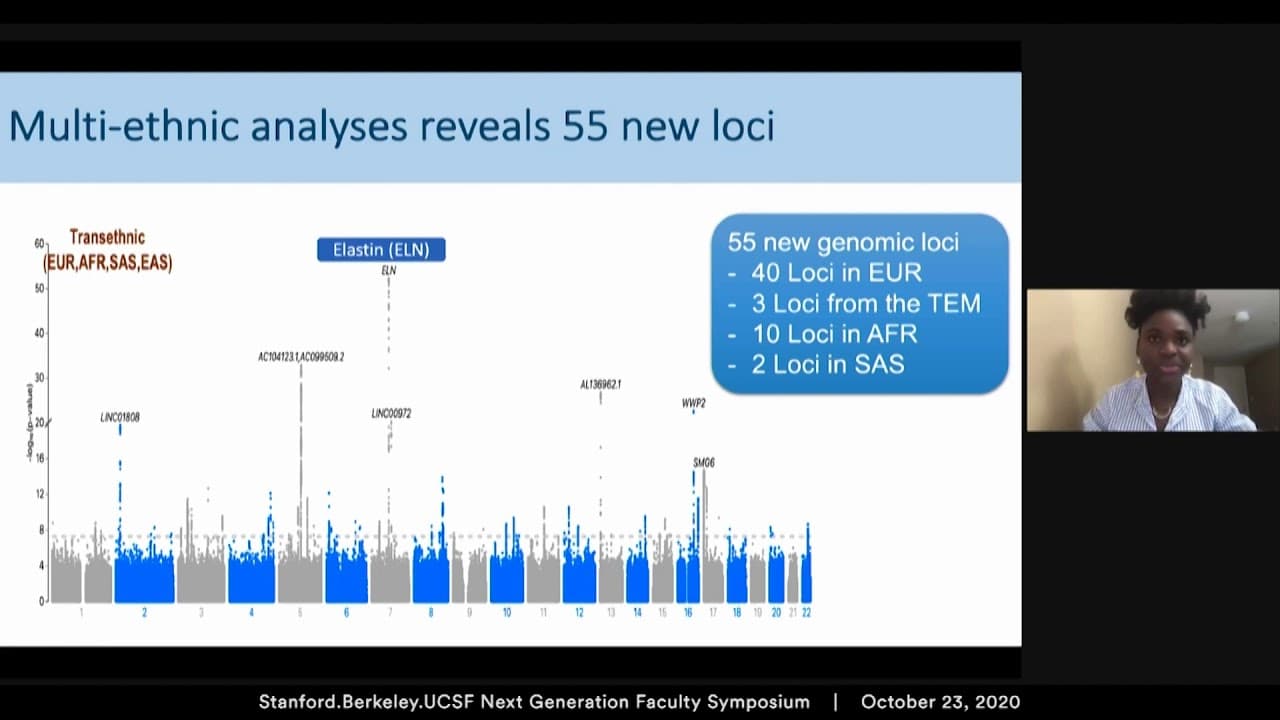
The study found 55 new loci associated with outer diameter, with the strongest association found on chromosome 7 within the elastin gene. Genetic correlation analysis revealed associations with body mass index, height, weight, and blood pressure.
Q: How was risk prediction for thoracic aortic aneurysm performed?
Dr. Tanya developed an operational risk score using a classical approach and tested its association with thoracic aortic aneurysm in multiple cohorts. The risk score was able to predict the risk of aneurysm based on outer diameter measurements.
Q: What did the mendelian randomization approach reveal?
Mendelian randomization analysis showed a causal relationship between diastolic and systolic blood pressure and enlargement of the aorta. However, no causal association was found with lipid measurements.
Summary & Key Takeaways
-
Dr. Tanya discusses the importance of understanding the physiopathology of thoracic aortic diseases and developing predictive approaches to better manage the risk.
-
She presents the results of a genetic study conducted using cardiac MRI and machine learning to identify the genetic determinants of outer diameter in the aorta.
-
The study also includes risk prediction for thoracic aortic aneurysm and examines the causal relationship between risk factors and enlargement of the aorta.
Read in Other Languages (beta)
Share This Summary 📚
Summarize YouTube Videos and Get Video Transcripts with 1-Click
Try YouTube Summary with ChatGPT & Claude or YouTube Transcript Generator
Explore More Summaries from Stanford 📚





Summarize YouTube Videos and Get Video Transcripts with 1-Click
Try YouTube Summary with ChatGPT & Claude or YouTube Transcript Generator