Filipinas 1887: “cerca de China, provincia del Japón, al norte de Siberia”
TL;DR
Analyzes the 1887 Philippine Exposition's artifacts and photographs.
Transcript
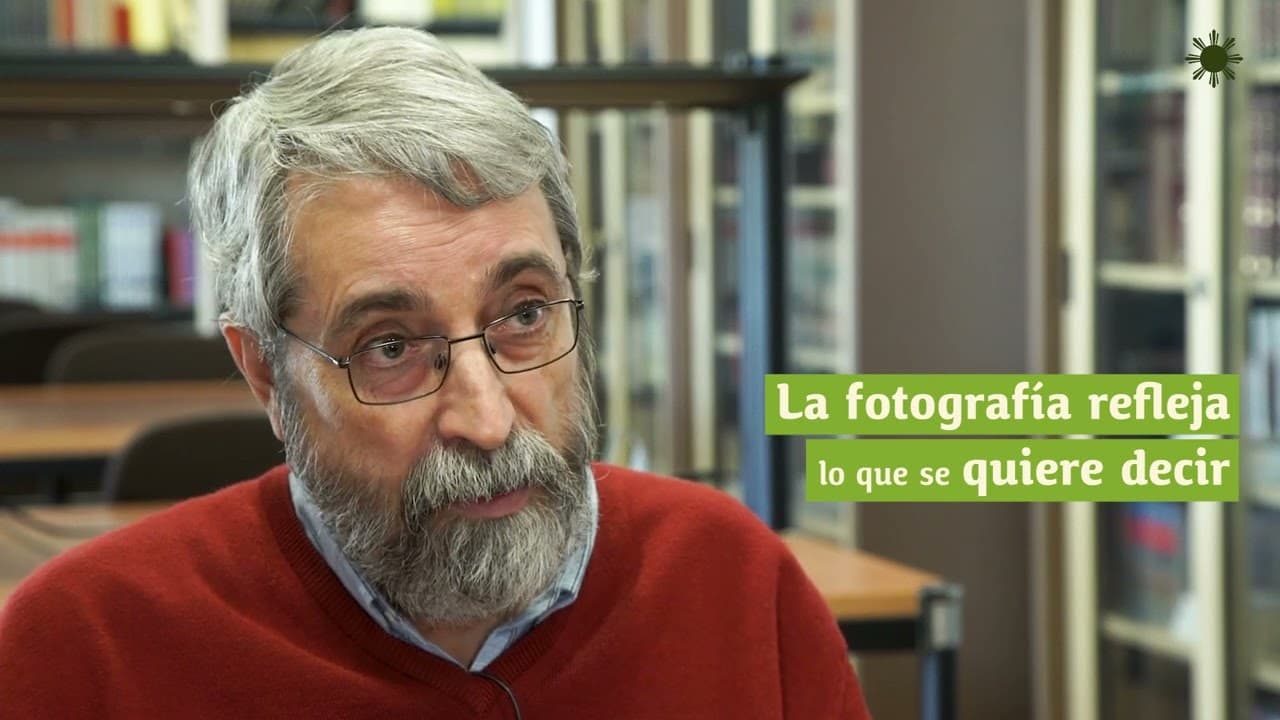
I am José Luis Mingote Calderón, curator of the National Museum of Anthropology, and I am currently in charge of the section on the evolution of Europe, as well as the so-called document collections, which are the photographs that the museum has. The Philippine Exposition of 1887 arose from the context of universal, monographic expositions that hav... Read More
Key Insights
- The 1887 Philippine Exposition was organized to showcase the economic potential of the Philippine archipelago to Spaniards, aiming to attract investment.
- The exposition was a part of a broader trend of universal monographic expositions in Europe, showcasing the richness and uniqueness of different areas.
- Victor Balaguer, who initially organized the exposition, was no longer the Overseas Minister when it took place, highlighting political dynamics.
- Photography played a significant role in the exposition, with a collection of over 400 photos documenting the event, emphasizing both documentary and artistic elements.
- The photographs often staged cultural representations, such as dressing individuals in attire not representative of their actual culture, questioning the authenticity of the images.
- The cultural context of the 19th century, marked by prevalent racism, influenced the portrayal and interpretation of the photographs.
- The exposition included diverse groups like Igorots, Negritos, and Muslims, presenting them in varying cultural attire, illustrating the constructed nature of their representations.
- Photography and realist literature both aim to depict reality but are influenced by the author's perspective, highlighting the importance of interpretation over assumed authenticity.
Install to Summarize YouTube Videos and Get Transcripts
Explore YouTube Video Summarizer or Get YouTube Transcript Extractor
Questions & Answers
Q: What was the primary objective of the 1887 Philippine Exposition?
The primary objective of the 1887 Philippine Exposition was to showcase the economic potential of the Philippine archipelago to Spaniards. It aimed to attract investment by highlighting the region's richness and uniqueness. Organized by Victor Balaguer, the exposition was part of a broader trend of European universal monographic expositions.
Q: How were cultural groups represented in the exposition's photographs?
Cultural groups like Igorots and Negritos were often depicted in staged attire not representative of their actual culture. The photographs were sometimes manipulated, with individuals dressed in attire from different cultures, raising questions about authenticity. This reflects the 19th-century context marked by prevalent racism and the constructed nature of these representations.
Q: What role did photography play in the exposition?
Photography played a significant role in the 1887 Philippine Exposition, with over 400 photos documenting the event. These photographs blended documentary and artistic styles, aiming to capture the richness of the exposition. However, the staging and manipulation of cultural representations in the photos raise questions about their authenticity and the influence of the photographer's perspective.
Q: How does the cultural context of the 19th century affect the interpretation of the photographs?
The cultural context of the 19th century, marked by prevalent racism, significantly affects the interpretation of the photographs from the 1887 Philippine Exposition. During that era, Western civilization was considered superior, influencing how non-Western cultures were portrayed. This context highlights the importance of interpreting these images with an understanding of the period's ideologies.
Q: What is the importance of interpretation in analyzing the exposition's photographs?
Interpretation is crucial in analyzing the exposition's photographs because it acknowledges the influence of the creator's perspective. While photographs are often assumed to reflect reality, they are shaped by the photographer's choices in framing and posing. Understanding this helps avoid taking the images at face value and encourages a deeper analysis of their cultural and historical context.
Q: How do photography and realist literature compare in depicting reality?
Both photography and realist literature aim to depict reality, but they are influenced by the creator's perspective. In photography, the photographer's choices in framing and posing affect the perceived reality of the images. Similarly, in literature, the author's decisions shape the narrative. This comparison highlights the need for interpretation over assumed authenticity in both mediums.
Q: What challenges arise from the portrayal of cultural groups in the exposition?
The portrayal of cultural groups in the exposition's photographs presents challenges in terms of authenticity and representation. The staging and manipulation of attire and settings often misrepresented these groups, influenced by the 19th-century cultural context. This raises questions about the accuracy of the images and the impact of the photographer's perspective on their portrayal.
Q: Why is it important to consider the photographer's perspective in analyzing historical photographs?
Considering the photographer's perspective is important because it acknowledges the subjective nature of photography. Historical photographs, like those from the 1887 Philippine Exposition, are shaped by the photographer's choices in framing, posing, and staging. Understanding this perspective helps avoid assuming the images reflect objective reality and encourages a more nuanced interpretation of their cultural and historical significance.
Summary & Key Takeaways
-
The 1887 Philippine Exposition aimed to showcase the economic potential of the Philippine archipelago to Spaniards, encouraging investment. Organized by Victor Balaguer, it was part of a trend of European expositions highlighting regional uniqueness. Photography played a crucial role, with over 400 photos documenting the event, blending documentary and artistic styles.
-
The exposition included diverse cultural groups, such as Igorots and Negritos, often depicted in staged attire not representative of their actual culture. This raises questions about the authenticity of the images, reflecting the 19th-century cultural context marked by prevalent racism and the constructed nature of these representations.
-
Photography and realist literature both strive to depict reality but are influenced by the creator's perspective. This emphasizes the need for interpretation over assumed authenticity, as the photographer's choices in framing and posing significantly impact the perceived reality of the images.
Read in Other Languages (beta)
Share This Summary 📚
Summarize YouTube Videos and Get Video Transcripts with 1-Click
Try YouTube Summary with ChatGPT & Claude or YouTube Transcript Generator
Explore More Summaries from universidadurjc 📚






Summarize YouTube Videos and Get Video Transcripts with 1-Click
Try YouTube Summary with ChatGPT & Claude or YouTube Transcript Generator