Visual Communication in Biology 2: Animating Molecular Biology, Part I - Janet Iwasa (U. Utah)
TL;DR
Janet Iwasa explains creating molecular animations for scientific visualization.
Transcript
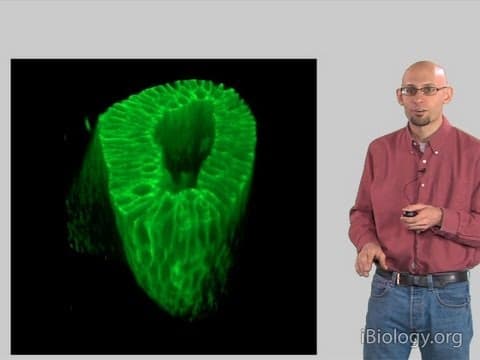
Hi. My name is Janet Iwasa. I am in the Biochemistry Department at the University of Utah. And I'm going to be talking to you today about animation. I've worked with a lot of different researchers over the years to depict the kind of molecular and cellular processes they study, and I'll be providing you with a bit of an overview of what that proces... Read More
Key Insights
- Janet Iwasa emphasizes the importance of detailed storytelling in molecular animation, requiring more depth than static figures.
- Animations are most effective for processes with a deep mechanistic understanding and available structural data, while uncertain processes may not suit 3D animation.
- Target audiences influence animation complexity; supplemental figures need minimal context, while broader audiences require engaging storytelling.
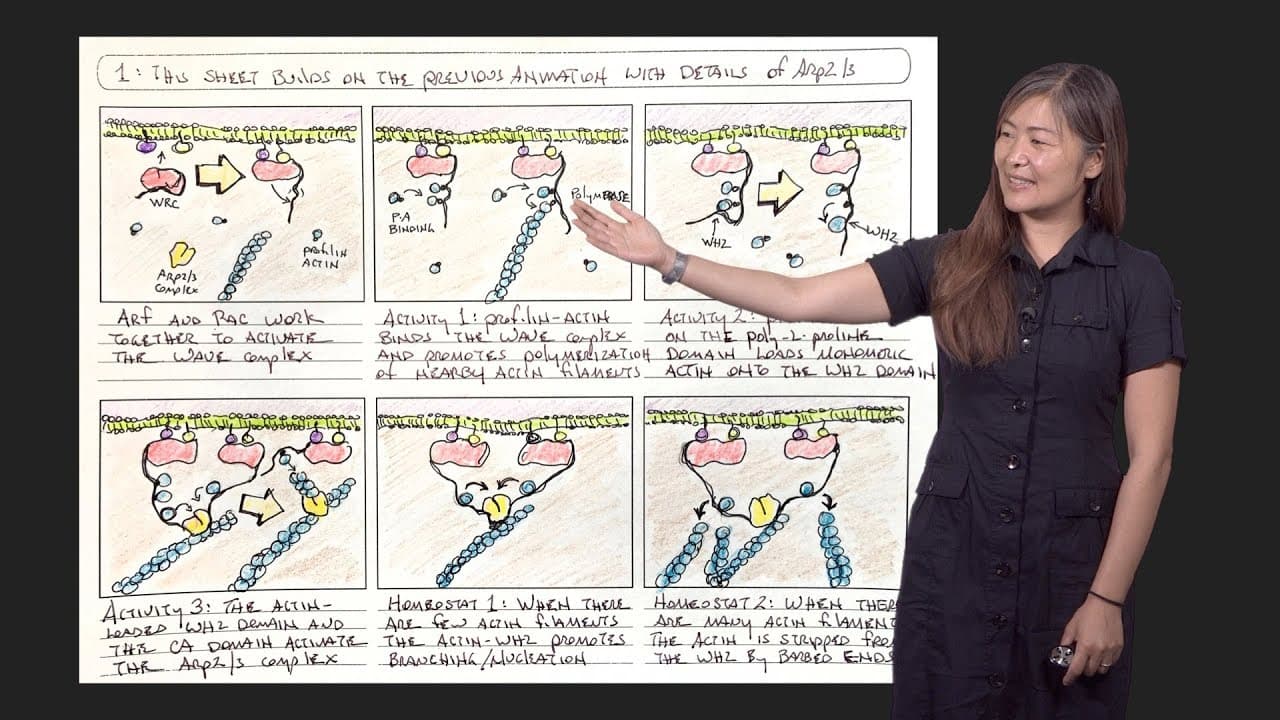
- Storyboards are crucial for planning animations efficiently, minimizing time-consuming changes during the animation process.
- Recording narration early is advised to ensure timing aligns with the animation, even if narration isn't used in the final product.
- Molecular models can be created using software like UCSF Chimera, allowing export of structures for animation-ready formats.
- Different software options, such as UCSF Chimera and PyMOL, offer tools for exporting molecular models into 3D animation software.
- Compositing is the final step where audio, labeling, and other elements are added to the rendered animation frames.
Install to Summarize YouTube Videos and Get Transcripts
Explore YouTube Video Summarizer or Get YouTube Transcript Extractor
Questions & Answers
Q: What are the initial steps in creating a molecular animation?
The initial steps involve describing the process in detail, considering the audience, and creating a storyboard. Describing the process includes understanding what's happening, where it occurs, and the structures involved. Considering the audience helps tailor the animation's complexity, and storyboards help plan the animation efficiently.
Q: Why is it important to consider the audience when creating animations?
Considering the audience is crucial because it influences the complexity and detail of the animation. For supplemental figures, minimal context is needed as the audience likely has background knowledge. For broader audiences, engaging storytelling and visual appeal are essential to effectively convey the scientific message.
Q: How can storyboards aid in the animation process?
Storyboards are vital for efficiently planning animations, as they outline each step and major change. By using drawings, descriptions, and potential narration, storyboards allow for collaboration and minimize time-consuming changes during the animation process, saving time and resources.
Q: What is the role of narration in molecular animations?
Narration helps guide the viewer through the animation, ensuring the timing aligns with the speaker's explanation. Recording narration early helps define the animation's timing and content, even if it's not used in the final product. It ensures concise storytelling and minimizes dead time in the animation.
Q: What software is recommended for creating molecular models?
Janet Iwasa recommends using UCSF Chimera for creating molecular models. It's a free software that allows exporting molecular structures, such as PDB files, into formats ready for 3D animation. PyMOL is another popular option for viewing and exporting molecular models.
Q: How can molecular models be imported into 3D animation software?
Molecular models can be imported into 3D animation software using plugins like ePMV, MolecularMaya, and BioBlender. These plugins allow for importing PDB files and other molecular data formats, facilitating the integration of molecular structures into animation projects.
Q: What is the compositing stage in animation creation?
Compositing is the final stage where rendered animation frames are compiled into a video. During this stage, elements such as audio, labeling, titling, and pauses are added to enhance the animation. Compositing ensures the final product is polished and ready for presentation or publication.
Q: What challenges might arise when creating 3D molecular animations?
Challenges include dealing with processes that lack a deep mechanistic understanding or have high uncertainty, as these are less suited for 3D animation. Additionally, creating animations that effectively communicate complex scientific concepts to diverse audiences requires careful planning, storytelling, and technical skills.
Summary & Key Takeaways
-
Janet Iwasa discusses the process of creating molecular animations, emphasizing the need for detailed storytelling and understanding the audience. She explains that animations are best suited for processes with a clear mechanistic understanding and available structural data.
-
Iwasa highlights the importance of creating storyboards to efficiently plan animations, reducing time-consuming changes later. She advises recording narration early to align with animation timing, even if it's not used in the final product.
-
The process of creating molecular models involves using software like UCSF Chimera to export structures for animation. Compositing is the final step, adding audio, labeling, and other elements to the rendered animation frames.
Read in Other Languages (beta)
Share This Summary 📚
Summarize YouTube Videos and Get Video Transcripts with 1-Click
Try YouTube Summary with ChatGPT & Claude or YouTube Transcript Generator
Explore More Summaries from iBiology Techniques 📚
Summarize YouTube Videos and Get Video Transcripts with 1-Click
Try YouTube Summary with ChatGPT & Claude or YouTube Transcript Generator