Why Were Trump's Tariffs Ruled Illegal Again?
TL;DR
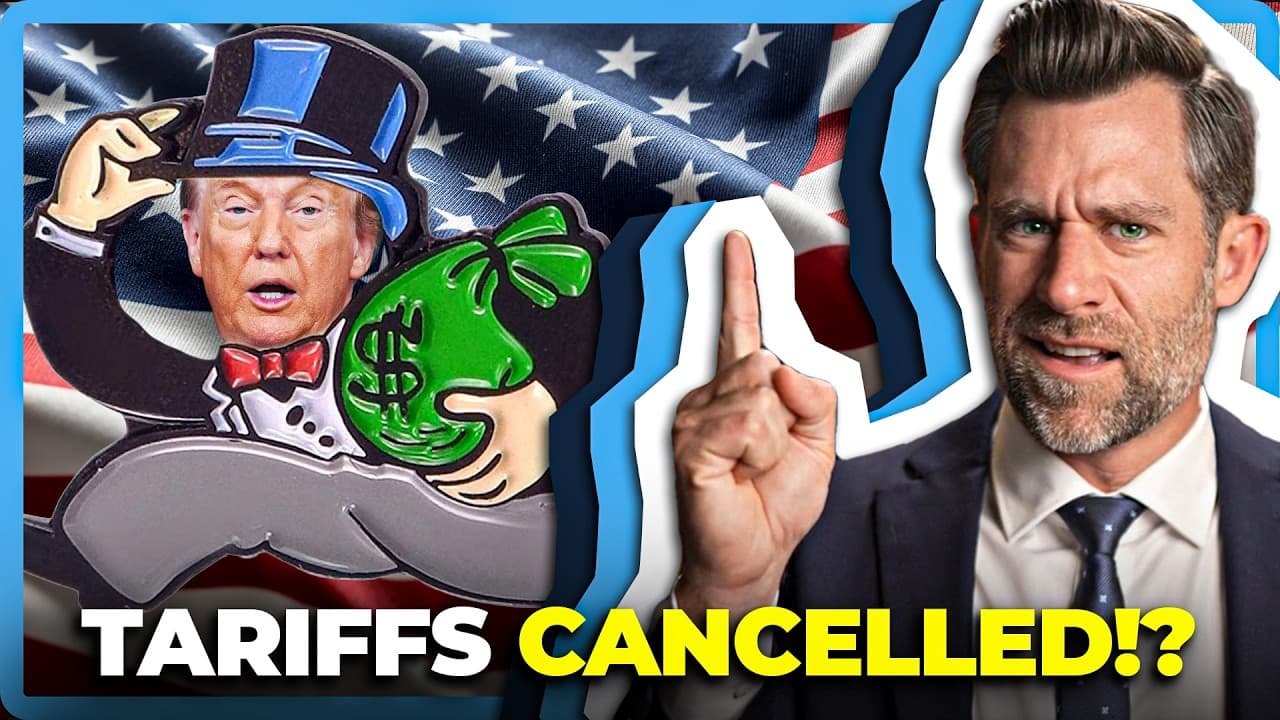
Trump's tariffs were deemed illegal by an appeals court, as the president lacks the authority to impose such sweeping tariffs unilaterally. The Supreme Court is set to review the case. The tariffs were initially justified under the Trade Act of 1974, but the court found they exceeded the president's legal authority.
Transcript
News flash, the superlegal tariffs are still super super illegal. An appeals court has canled Trump's tariffs because the president doesn't actually have the legal authority to tariff everything on the planet. But get out your bindles cuz according to Trump, we're headed for the second Great Depression. And according to the Trump administration's o... Read More
Key Insights
- Trump's tariffs were ruled illegal by an appeals court because the president lacks the authority to impose them unilaterally.
- The tariffs were initially justified under the Trade Act of 1974, following an investigation into harmful practices by Chinese companies.
- The Supreme Court has agreed to review the case, which could have significant economic implications.
- The National Emergencies Act allows the president to unlock special powers during emergencies, but with checks and balances.
- The International Emergency Economic Powers Act (IEEPA) is often used for sanctions, but not for imposing tariffs.
- The court found that IEEPA does not authorize the sweeping tariffs imposed by Trump, as it lacks explicit language regarding tariffs.
- The major questions doctrine requires clear congressional authorization for delegating significant powers, which IEEPA lacks.
- The case has attracted significant attention, with various stakeholders submitting briefs and the media offering diverse perspectives.
Install to Summarize YouTube Videos and Get Transcripts
Explore YouTube Video Summarizer or Get YouTube Transcript Extractor
Questions & Answers
Q: How were Trump's tariffs ruled illegal?
Trump's tariffs were ruled illegal by an appeals court because the president does not have the unilateral authority to impose such sweeping tariffs. The court found that the International Emergency Economic Powers Act (IEEPA) does not authorize these tariffs, as it lacks explicit language granting the president such power. The decision emphasizes the need for clear congressional authorization for significant economic actions.
Q: What legal basis did Trump use for the tariffs?
Trump initially justified the tariffs under the Trade Act of 1974, following an investigation into alleged harmful practices by Chinese companies. However, the appeals court found that the tariffs exceeded the authority granted by the act, as they were imposed without the necessary congressional oversight and lacked clear authorization under the International Emergency Economic Powers Act (IEEPA).
Q: What role does the Supreme Court play in this case?
The Supreme Court has agreed to review the case involving Trump's tariffs, which were struck down by an appeals court. The Supreme Court's decision will be pivotal in determining the legality of the tariffs and could set a precedent for the extent of presidential authority in trade matters. The case highlights the balance of power between the executive branch and Congress.
Q: What is the National Emergencies Act?
The National Emergencies Act (NEA), passed in 1976, provides a framework for the president to unlock special powers during a declared national emergency. It includes important checks, such as regular reporting to Congress and automatic expiration dates for declared emergencies. The NEA was cited in the context of Trump's tariffs, but the court found it insufficient for justifying sweeping tariff powers.
Q: How does the International Emergency Economic Powers Act relate to tariffs?
The International Emergency Economic Powers Act (IEEPA) is primarily used for sanctions, freezing assets, and restricting trade with hostile entities. It allows the president to regulate economic activities during a national emergency, but the appeals court found that it does not explicitly authorize the imposition of tariffs. The court emphasized the need for clear congressional language when delegating significant economic powers.
Q: What is the major questions doctrine?
The major questions doctrine requires clear congressional authorization when delegating significant powers to the executive branch, especially in matters of vast economic and political significance. The appeals court applied this doctrine in ruling against Trump's tariffs, finding that the International Emergency Economic Powers Act (IEEPA) lacked the explicit language necessary to delegate such sweeping tariff authority to the president.
Q: What are the implications of the court's decision on tariffs?
The court's decision to strike down Trump's tariffs underscores the limits of presidential authority in trade matters. It emphasizes the need for clear congressional authorization for significant economic actions, as outlined in the major questions doctrine. The ruling could have far-reaching implications for future presidential actions and the balance of power between the executive branch and Congress.
Q: How did the media cover the court's decision on tariffs?
Media coverage of the court's decision on Trump's tariffs varied across the political spectrum. Outlets from the left emphasized the sweeping nature of the tariffs and the need for Supreme Court action, while right-leaning sources highlighted the urgency of the Supreme Court's decision. Center-leaning outlets focused on the legal questions surrounding presidential power, illustrating the diverse perspectives and potential biases in media reporting.
Summary & Key Takeaways
-
Trump's tariffs were struck down by an appeals court, citing the president's lack of authority to impose them unilaterally. The case is now set for Supreme Court review, highlighting the legal complexities surrounding the National Emergencies Act and the International Emergency Economic Powers Act.
-
The tariffs, initially justified under the Trade Act of 1974, have been deemed to exceed presidential authority. The court emphasized the lack of explicit congressional authorization for such sweeping economic measures, referencing the major questions doctrine.
-
The legal battle has drawn significant attention, with numerous stakeholders weighing in. The Supreme Court's decision could have far-reaching economic impacts, as the case underscores the balance of power between the executive branch and Congress in trade matters.
Read in Other Languages (beta)
Share This Summary 📚
Summarize YouTube Videos and Get Video Transcripts with 1-Click
Try YouTube Summary with ChatGPT & Claude or YouTube Transcript Generator
Explore More Summaries from LegalEagle 📚




Summarize YouTube Videos and Get Video Transcripts with 1-Click
Try YouTube Summary with ChatGPT & Claude or YouTube Transcript Generator