200 years, WWI & WWII, Communism: The Story of Berlin's Natural History Museum
TL;DR
Explore the rich history and challenges faced by the Museum Fur Naturkunde in Berlin, highlighting its collections and future goals.
Transcript
This episode is brought to you by the Field Museum in Chicago, Illinois and the Museum Fur Naturkunde in Berlin, Germany. 2018 marks the hundred and twenty-fifth year anniversary of the Field Museum. By 1893 we had raised funds amassed collections from the World's Fair, developed exhibit cases for display to the public and were ready to open our do... Read More
Key Insights
- 🧑🔬 Museum Fur Naturkunde in Berlin dates back to 1810, housing valuable collections from renowned scientists like Alexander von Humboldt.
- 😫 The museum introduced selective display practices in 1889, setting a new standard in museum curation.
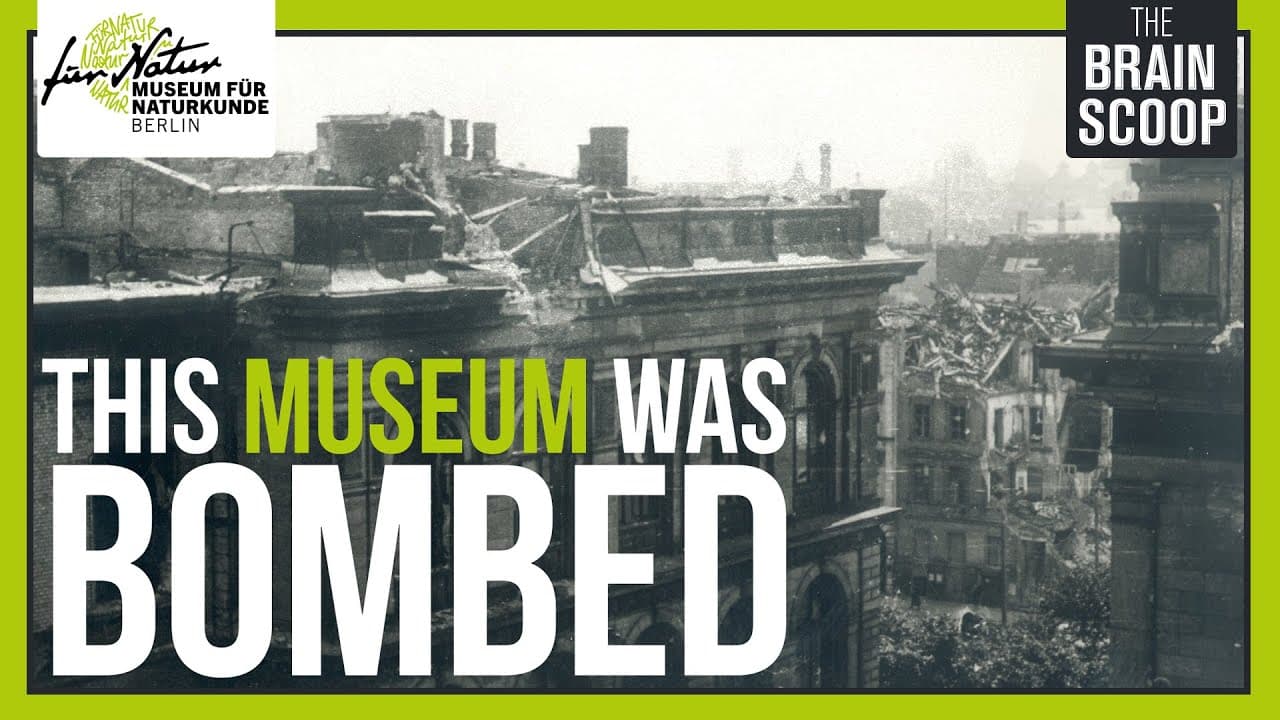
- 💠 Challenges such as World War II and political restrictions have shaped the museum's history and operations.
- 🌐 The museum focuses on science-society interactions and aims to drive change to address global challenges.
- 😒 Leveraging technology, the museum uses its collections for environmental impact analysis and predictive modeling.
- 🍂 The museum reopened post-World War II and the fall of the Berlin Wall, showcasing resilience and adaptability.
- 👨🔬 Collaboration with global institutions and initiatives ensures the museum remains at the forefront of natural history research.
Install to Summarize YouTube Videos and Get Transcripts
Explore YouTube Video Summarizer or Get YouTube Transcript Extractor
Questions & Answers
Q: What historical significance does the Museum Fur Naturkunde in Berlin hold?
The museum, established in 1810, houses collections from esteemed scientists and revolutionized selective display practices.
Q: How did World War II impact the museum's collections and operations?
The museum faced destruction and loss of specimens during the war, leading to challenges in preservation and research.
Q: What are the future goals of the Museum Fur Naturkunde in terms of science-society interactions?
The museum aims to facilitate a science-society dialogue and drive change to address global challenges like poverty, climate change, and biodiversity loss.
Q: How does the museum leverage technology and collections for environmental impact analysis?
Through advanced technology, the museum utilizes its collections to understand and predict how human actions affect the environment and society.
Summary & Key Takeaways
-
The Museum Fur Naturkunde in Berlin has a long history dating back to 1810, housing collections from renowned scientists like Alexander von Humboldt.
-
The museum revolutionized museum practices by selectively displaying items for public viewing while preserving others for scientific research.
-
Despite facing challenges like World War II and political restrictions, the museum continues to innovate and adapt, focusing on science-society interactions for future advancements.
Read in Other Languages (beta)
Share This Summary 📚
Summarize YouTube Videos and Get Video Transcripts with 1-Click
Try YouTube Summary with ChatGPT & Claude or YouTube Transcript Generator
Explore More Summaries from thebrainscoop 📚


Summarize YouTube Videos and Get Video Transcripts with 1-Click
Try YouTube Summary with ChatGPT & Claude or YouTube Transcript Generator