GODZILLA Lizard is REAL!?
TL;DR
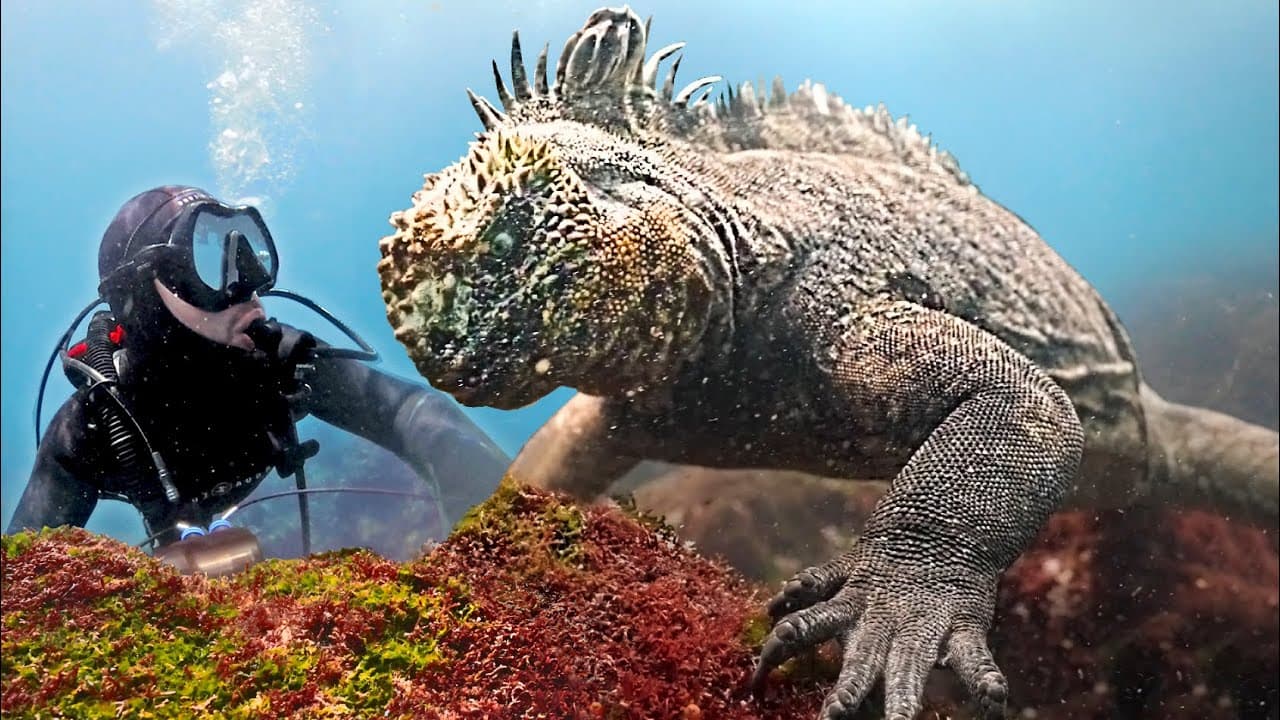
Brave Wilderness dives into the Galapagos to film marine iguanas, showcasing their unique adaptations in challenging ocean conditions.
Transcript
- Alright, big day for Brave Wilderness. I'm about to attempt to film the real life Godzilla on the shores of an active volcano in the middle of the Galapagos. But to do that (dramatic music) I will need to dive under those crashing waves if I wanna get up close to the only lizard on the planet that navigates the ocean, the marine iguana. Hostile f... Read More
Key Insights
- 😀 Marine iguanas are the only lizards on Earth adapted for life in the ocean, facing hostile forces of nature in the Galapagos.
- 🦶 Their specialized adaptations, including clawed feet, flattened tails, and salt-absorbing glands, aid marine iguanas in surviving and thriving in challenging ocean conditions.
- 🏝️ The interconnection between land and sea is evident through the evolution of marine iguanas as descendants of a common land ancestor in the Galapagos.
- 🛟 Conservation efforts in the Galapagos National Park aim to protect marine reserves and ensure the survival of unique species like the marine iguana.
- 🎥 Filming marine iguanas in their natural habitat requires dedication, resilience, and an understanding of the fragile ecosystem in the Galapagos.
- 🤱 Marine iguanas' feeding habits, diving abilities, and adaptation to saltwater exemplify their remarkable survival strategies in challenging environments.
- 💅 Brave Wilderness's exploration of the Galapagos showcases the beauty and diversity of marine life, emphasizing the importance of wildlife conservation.
Install to Summarize YouTube Videos and Get Transcripts
Explore YouTube Video Summarizer or Get YouTube Transcript Extractor
Questions & Answers
Q: What challenges did the Brave Wilderness team face while filming marine iguanas in the Galapagos?
The team encountered hostile forces of nature like shark-filled waters, ripping ocean currents, and relentless tidal surges, requiring them to scuba dive and navigate turbulent waters to capture the elusive marine iguanas.
Q: How do marine iguanas feed in the Galapagos and what adaptations help them survive in the ocean?
Marine iguanas dive up to 60 feet and hold their breath for 30 minutes to feed on red and green algae, using specialized claws, flattened tails for swimming, and salt-absorbing glands that allow them to eject salt through "snot rockets" efficiently.
Q: What is the significance of the marine iguanas in the Galapagos ecosystem?
Marine iguanas are key players in the diverse marine system of the Galapagos, showcasing the interconnection between land and sea and the importance of conservation efforts to protect these unique lizard species.
Q: How does the film crew navigate the challenging conditions while filming marine iguanas in the Galapagos?
The Brave Wilderness team stays close together, equipped with emergency GPS beacons, and conserves air to capture the iguanas amidst the turbulent waters, demonstrating resilience and dedication in showcasing the beauty of wildlife.
Summary & Key Takeaways
-
Brave Wilderness embarks on a perilous adventure to film marine iguanas, navigating shark-filled waters and turbulent waves.
-
Marine iguanas, specialized oceanic lizards, display remarkable adaptations for survival in the harsh Galapagos environment.
-
The interconnection between land and sea is exemplified by the unique marine iguanas, the only lizards adapted for life in the ocean.
Read in Other Languages (beta)
Share This Summary 📚
Summarize YouTube Videos and Get Video Transcripts with 1-Click
Try YouTube Summary with ChatGPT & Claude or YouTube Transcript Generator
Explore More Summaries from Brave Wilderness 📚


Summarize YouTube Videos and Get Video Transcripts with 1-Click
Try YouTube Summary with ChatGPT & Claude or YouTube Transcript Generator