Stanford students design and build a complex silver pendant
TL;DR
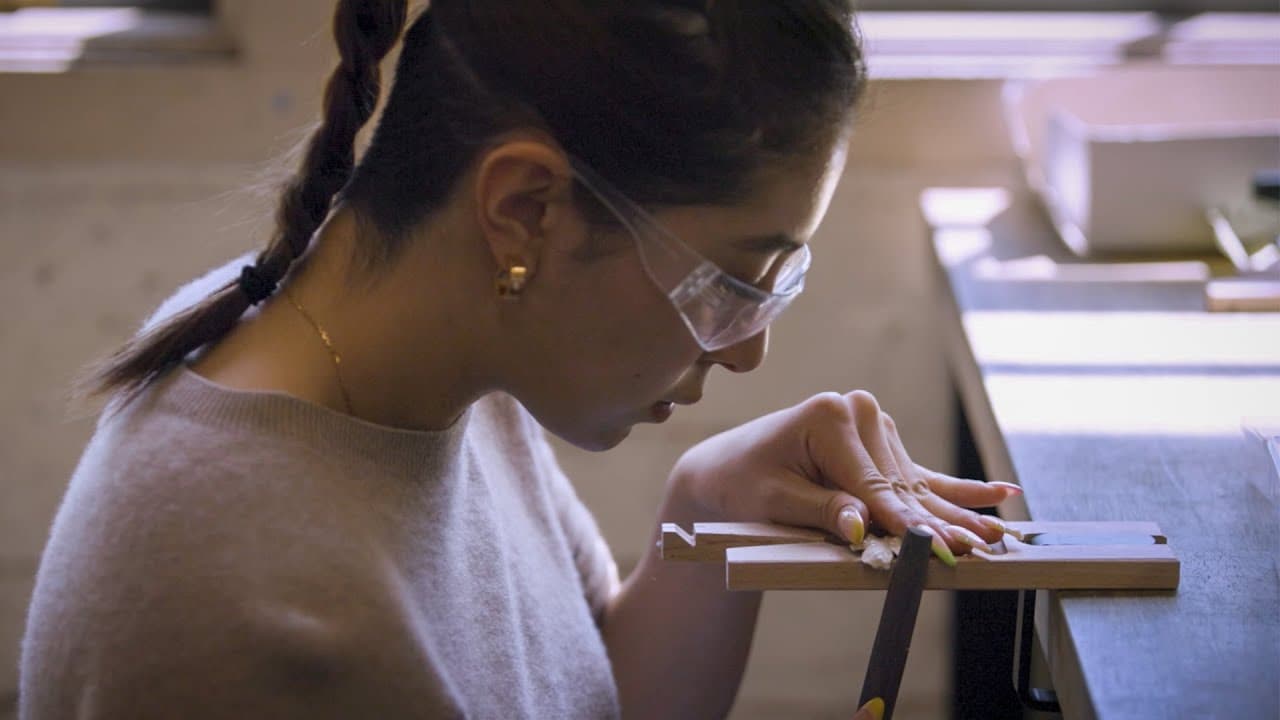
Students in a one unit workshop at Stanford learn the art of making unique silver pendants through CAD modeling, 3D printing, casting, and hand finishing.
Transcript
the best part of when we teach any of our classes is seeing the variety of designs it continually energizes me and I get so excited that you get a bunch of people and none of the designs look alike you have some cross-pollination of ideas but looking at the 100 plus CAD models it's pretty thrilling to see the variety this was a one unit Workshop sp... Read More
Key Insights
- 🥰 The one unit workshop at Stanford offers an opportunity for students to learn the art of silver pendant making.
- 😓 CAD modeling and 3D printing are used to create prototypes before casting the pendants in silver.
- 🤗 Hand finishing techniques are crucial in transforming rough casted pendants into polished and refined pieces of jewelry.
- 🧑🎓 The workshop provides a stimulating and communal environment where students can share their struggles and experiences in creating their unique designs.
- 😨 Students find immense value in the process of creating their pendants and see it as a form of self-care.
- 💄 Making at Stanford aims to attract students who haven't had prior experience in making and inspire them with the possibilities of creating something unique.
- 🧑🎓 The workshop serves as an example of what can be achieved when students are given the opportunity to explore their creativity and passion for making.
Install to Summarize YouTube Videos and Get Transcripts
Explore YouTube Video Summarizer or Get YouTube Transcript Extractor
Questions & Answers
Q: What is the process for creating a silver pendant in the workshop?
The process starts with CAD modeling, followed by 3D printing the models in thermoplastic. The thermoplastic models are then casted in silver, and students learn to clean up and finish their pendants using hand tools and polishing techniques.
Q: What is the purpose of the workshop in relation to the pendant design?
The workshop aims to create unique silver pendants that are more inwardly focused. The emphasis is on creating something heavy that the wearer can feel.
Q: How does the finishing lab contribute to the students' learning experience?
The finishing lab, along with the general Foundry space, provides an overstimulating environment that fosters a sense of community and shared struggle. Students learn to work with hand tools, saws, files, and sandpaper to transform their rough casted pendants into fine jewelry.
Q: What is the significance of the students' projects during the workshop?
The workshop allows students to explore their creativity and create meaningful projects. The hours of work put into making the pendants make them priceless and serve as a form of self-care for the students.
Summary & Key Takeaways
-
Stanford's Making at Stanford program offers a one unit workshop where students create their own silver pendants through various techniques.
-
The workshop begins with CAD modeling, followed by 3D printing the models in thermoplastic.
-
Students learn how to clean up and finish their casted silver pendants using hand tools and polishing techniques.
Read in Other Languages (beta)
Share This Summary 📚
Summarize YouTube Videos and Get Video Transcripts with 1-Click
Try YouTube Summary with ChatGPT & Claude or YouTube Transcript Generator
Explore More Summaries from Stanford 📚


Summarize YouTube Videos and Get Video Transcripts with 1-Click
Try YouTube Summary with ChatGPT & Claude or YouTube Transcript Generator