Influenza Viruses and Pandemics

Transcript
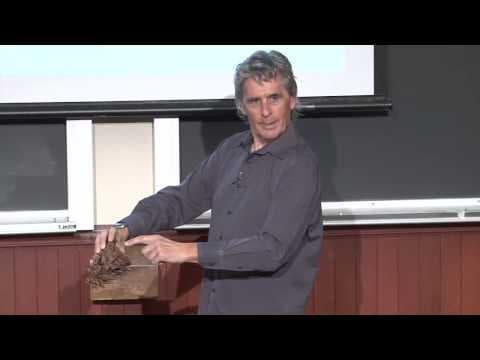
Stanford University we're very glad this is not a World Series night if anyone cares so let me let me just ask one question is there anybody here in the room tonight who has a cough or a fever because we're violating one of the most important rules of infection control we're gathering together in this place so let's hope will sustain ourselves I ho... Read More
Install to Summarize YouTube Videos and Get Transcripts
Explore YouTube Video Summarizer or Get YouTube Transcript Extractor
Summary
This video discusses the topic of pandemic influenza, focusing on the 1918 pandemic and the current H1N1 pandemic. The speaker explains the lifecycle of the influenza virus and how it enters and replicates within host cells. They also discuss the importance of hemagglutinin and neuraminidase proteins in the virus and how mutations in these proteins can lead to the emergence of new strains. The speaker explains the concept of antigenic drift and antigenic shift in influenza viruses and the role of natural immunity in the spread of pandemics. They also discuss the historical context of the 1918 pandemic and the impact it had on the population.
Questions & Answers
Q: What are some characteristics of influenza viruses?
Influenza viruses are considered parasites as they require a host cell to multiply. They have a nucleic acid core, either DNA or RNA, surrounded by a protein coat. Some viruses also have a surrounding membrane. Influenza viruses enter cells through an attachment mechanism and then replicate their nucleic acid and protein coat using the host cell's machinery. They then exit the cell and are transmitted to a new host.
Q: How does the influenza virus replicate within host cells?
The influenza virus attaches to host cells using its hemagglutinin protein, specifically to a receptor called sialic acid. The virus is then taken up by the cell through a process called receptor-mediated endocytosis. Inside the cell, the viral particles release their RNA and proteins, which are then transported to the cell nucleus. The cell's machinery is used to replicate the viral genome and make viral proteins. The newly formed viral proteins and RNA then leave the nucleus and travel to the cell surface, where they form progeny viruses that are released from the cell through budding.
Q: How do mutations in the hemagglutinin protein affect the influenza virus?
Mutations in the hemagglutinin protein can lead to changes in the virus's ability to attach to host cells. If a mutation occurs in the hemagglutinin gene, it can result in a slightly different protein that may not be recognized by the antibodies produced in response to a previous infection or vaccination. This can allow the virus to evade the immune response and potentially cause a new infection in a previously immune individual. These mutations, known as antigenic drift, contribute to the constant evolution of influenza viruses and the need for annual flu vaccines.
Q: What is the difference between H1N1 and seasonal flu viruses?
H1N1 and seasonal flu viruses differ in the specific hemagglutinin and neuraminidase proteins they possess. H1N1 refers to a specific combination of these proteins found in certain strains of the influenza A virus. Seasonal flu viruses, on the other hand, can have different combinations of hemagglutinin and neuraminidase proteins. The H1N1 strain that emerged in 2009, often referred to as swine flu, was different from the H1N1 strain that had previously circulated in the population for decades. This difference in the hemagglutinin protein structure made the 2009 H1N1 strain particularly virulent and capable of causing a pandemic.
Q: What is a pandemic influenza?
A pandemic influenza is a widespread epidemic that affects multiple regions of the world. This type of influenza is caused by a brand new strain of the virus that the majority of the population has no immunity to. Pandemics occur when a new virus emerges and spreads rapidly from human to human. In the case of influenza, the viruses responsible for pandemics typically undergo antigenic shift, meaning they acquire a new hemagglutinin or neuraminidase protein through reassortment with other influenza viruses. This sudden change in the virus's genetic material allows it to evade existing immunity and rapidly spread throughout the population.
Q: How did the 1918 influenza pandemic impact society?
The 1918 influenza pandemic, also known as the Spanish flu, had a devastating impact on society. It resulted in an estimated 50-100 million deaths worldwide, with at least 550,000 deaths in the United States alone. The mortality rate was unusually high, especially among young adults aged 15-45. This unprecedented loss of life caused a significant decrease in average life expectancy and disrupted communities around the world. The pandemic also strained healthcare systems and led to shortages of coffins, hospital beds, and medical personnel.
Q: How did people try to prevent the spread of influenza during the 1918 pandemic?
During the 1918 influenza pandemic, people attempted to prevent the spread of the virus through various measures. These included wearing masks, avoiding spitting, promoting clean fresh air, and practicing good personal hygiene. However, many of these measures were not very effective in containing the spread of the virus. The high rate of infection and the rapid spread of the virus led to a significant number of cases and deaths.
Q: How is the seasonal flu vaccine developed?
The seasonal flu vaccine is developed based on surveillance of influenza viruses circulating around the world. Each year, the World Health Organization (WHO) and other organizations collect flu virus samples from various sources and analyze their genetic makeup. They determine which strains are most likely to be prevalent in the upcoming flu season and recommend which strains should be included in the vaccine. The selected strains are then provided to vaccine manufacturers, who produce and distribute the vaccines. However, the vaccine may not always provide complete protection as the circulating strains can change or new strains can emerge after the vaccine is developed.
Q: How does natural immunity impact pandemics?
Natural immunity plays a significant role in the spread of pandemics. When a new virus emerges, the majority of the population lacks immunity to the new strain. This allows the virus to spread rapidly from person to person, causing a pandemic. Over time, as more people are exposed to the virus and develop immunity, the severity of subsequent epidemics may decrease. However, the virus can continue to evolve through antigenic drift, making it necessary to update vaccines regularly in order to maintain protection.
Q: How do influenza viruses spread?
Influenza viruses mainly spread through respiratory droplets released when infected individuals cough or sneeze. These droplets can be inhaled by others, infecting their respiratory tracts. The virus can also land on surfaces and objects and be spread through hand-to-mouth or hand-to-eye contact. Good hand hygiene, such as washing hands thoroughly with soap and water, can help prevent transmission. Environmental surfaces can also be disinfected to reduce the risk of infection.
Takeaways
The video provides an overview of the influenza virus, its replication, and the factors that contribute to the emergence and spread of pandemics. It highlights the historical significance of the 1918 pandemic, which resulted in a high number of deaths and had a significant impact on society. The video also emphasizes the importance of surveillance and vaccination in controlling the spread of influenza viruses. Understanding the characteristics of influenza and the immune response to the virus is crucial in developing effective preventive measures and mitigating the impact of future pandemics.
Read in Other Languages (beta)
Share This Summary 📚
Summarize YouTube Videos and Get Video Transcripts with 1-Click
Try YouTube Summary with ChatGPT & Claude or YouTube Transcript Generator
Explore More Summaries from Stanford 📚





Summarize YouTube Videos and Get Video Transcripts with 1-Click
Try YouTube Summary with ChatGPT & Claude or YouTube Transcript Generator