How Asian Cinema Shaped Global Film History
TL;DR
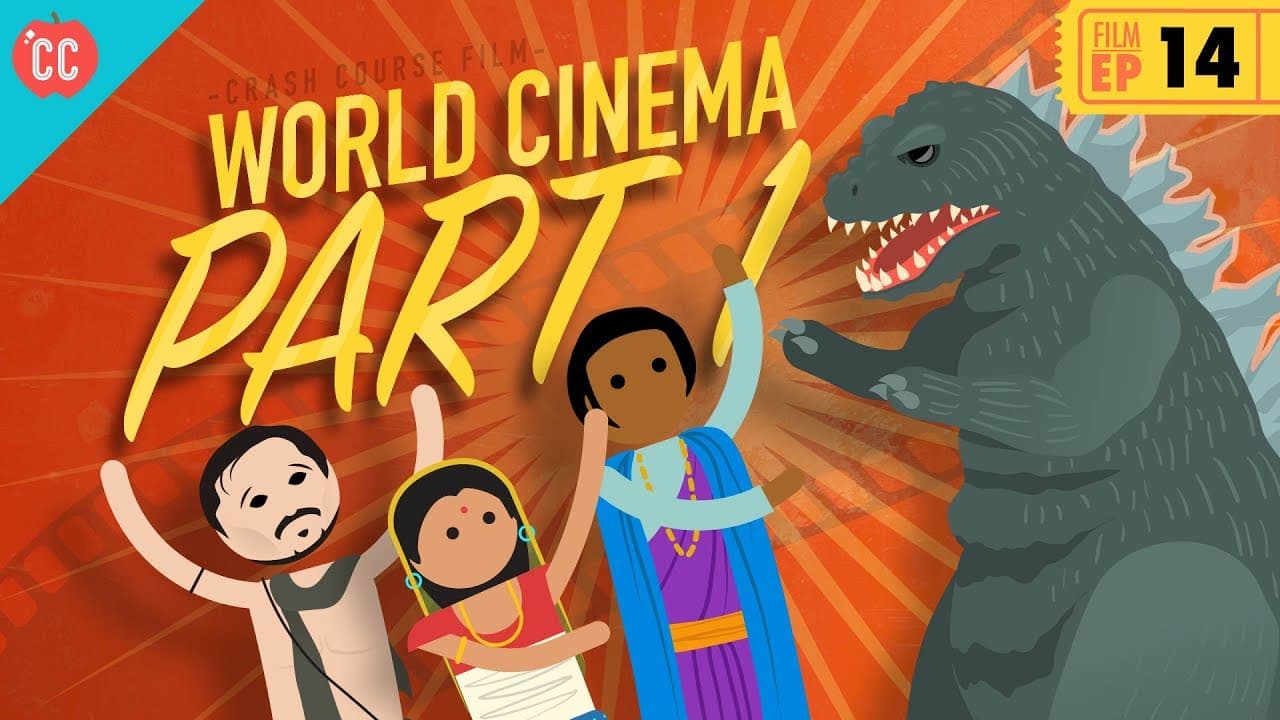
Asian cinema has profoundly influenced global filmmaking, with key movements emerging in Japan, China, and India. Japanese filmmakers like Ozu and Kurosawa contributed significantly to film aesthetics and narrative techniques. Chinese cinema evolved under political pressures, while Indian cinema, led by figures like Satyajit Ray, continues to produce a large volume of films in diverse languages and styles.
Transcript
News flash: the world’s a big place. WHAT!?!?! Huh! And humans have been making films in almost every corner of it for more than a hundred years. While Hollywood dominated the global film market in its first six or seven decades, lots of profoundly influential film movements arose all over the world. Now, there’s way too much to cover in just two v... Read More
Key Insights
- Japanese cinema was heavily influenced by political changes during and after World War II, leading to innovations in film style and narrative.
- Yasujiro Ozu is a master of classical Japanese cinema, known for his long, wide shots and gentle social critiques.
- Akira Kurosawa's films, including Rashomon and Seven Samurai, have had a global impact, inspiring filmmakers worldwide.
- Chinese cinema faced significant interruptions due to political upheavals but emerged with notable directors like Zhang Yimou.
- Hong Kong cinema is renowned for its martial arts films, popularized by figures like Bruce Lee and Jackie Chan.
- Indian cinema is the largest in the world, producing films in multiple languages, with Bollywood being a major industry segment.
- Satyajit Ray's films, such as the Apu Trilogy, are known for their emotional depth and realism, contrasting with typical Bollywood spectacle.
- Asian cinema has continued to influence global filmmaking, contributing unique narratives and styles that resonate worldwide.
Install to Summarize YouTube Videos and Get Transcripts
Explore YouTube Video Summarizer or Get YouTube Transcript Extractor
Questions & Answers
Q: How did political changes affect Japanese cinema?
Political changes during and after World War II significantly impacted Japanese cinema. The Ministry of Propaganda controlled film production during the war, promoting pro-war films. Post-war, filmmakers gained more artistic freedom, leading to innovations in special effects and narrative styles, exemplified by directors like Yasujiro Ozu and Akira Kurosawa.
Q: What are the key characteristics of Ozu's films?
Yasujiro Ozu's films are characterized by their long, wide shots and focus on family relationships and intergenerational conflicts. His style reflects traditional Japanese customs, using offscreen space and lingering shots to convey themes of emptiness and patience, rooted in Zen aesthetics.
Q: How did Kurosawa influence global cinema?
Akira Kurosawa influenced global cinema through his innovative narrative techniques and visual style. His film Rashomon introduced the concept of unreliable narrators, while Seven Samurai inspired numerous adaptations, including The Magnificent Seven. Kurosawa's works have been cited by filmmakers worldwide, including George Lucas for Star Wars.
Q: What challenges did Chinese cinema face during the Cultural Revolution?
During the Cultural Revolution, Chinese cinema faced severe challenges as filmmakers were purged and film production halted. Professionals were sent for 're-education,' and only amateur filmmakers were initially allowed to make films. It took years for professional filmmaking to resume, with directors like Zhang Yimou emerging later.
Q: What is the significance of Hong Kong's martial arts films?
Hong Kong's martial arts films are significant for their precisely choreographed action and rapid editing, elevating the genre to an art form. Stars like Bruce Lee and Jackie Chan popularized these films globally, and directors like John Woo brought the style to Hollywood, influencing action cinema worldwide.
Q: How does Indian cinema differ from Bollywood?
Indian cinema is a vast industry producing films in multiple languages, with Bollywood representing the Hindi-language segment. Bollywood is known for its musicals and star system, while Indian cinema also includes regional films with diverse narratives. Directors like Satyajit Ray offer a more realistic and emotional portrayal of Indian life.
Q: What is Satyajit Ray's contribution to Indian cinema?
Satyajit Ray's contribution to Indian cinema lies in his focus on emotional depth and realism, contrasting with typical Bollywood spectacle. His Apu Trilogy, inspired by Italian Neo-Realism, explores intimate moments of everyday life and has earned international acclaim for its portrayal of human emotions and struggles.
Q: How has Asian cinema influenced modern filmmaking?
Asian cinema has influenced modern filmmaking through its unique narratives, styles, and innovations. Japanese filmmakers like Kurosawa introduced new narrative techniques, while Hong Kong's martial arts films redefined action cinema. Indian cinema's diverse storytelling and directors like Satyajit Ray have contributed to a richer global film landscape.
Summary & Key Takeaways
-
Japanese cinema evolved significantly during and after World War II, with filmmakers like Ozu and Kurosawa introducing innovative narrative and stylistic elements. Ozu's films are noted for their long shots and social critiques, while Kurosawa's works have inspired filmmakers globally.
-
Chinese cinema has undergone various transformations due to political influences, with directors like Zhang Yimou gaining international acclaim. Hong Kong's martial arts films have also achieved global popularity, with stars like Bruce Lee and Jackie Chan.
-
Indian cinema, the largest in the world, produces a vast array of films in multiple languages. Bollywood is a major segment, known for its musicals and star system, while Satyajit Ray's films offer a more realistic and emotional portrayal of Indian life.
Read in Other Languages (beta)
Share This Summary 📚
Summarize YouTube Videos and Get Video Transcripts with 1-Click
Try YouTube Summary with ChatGPT & Claude or YouTube Transcript Generator
Explore More Summaries from CrashCourse 📚





Summarize YouTube Videos and Get Video Transcripts with 1-Click
Try YouTube Summary with ChatGPT & Claude or YouTube Transcript Generator