How to Train Dogs with Distractions Effectively
TL;DR
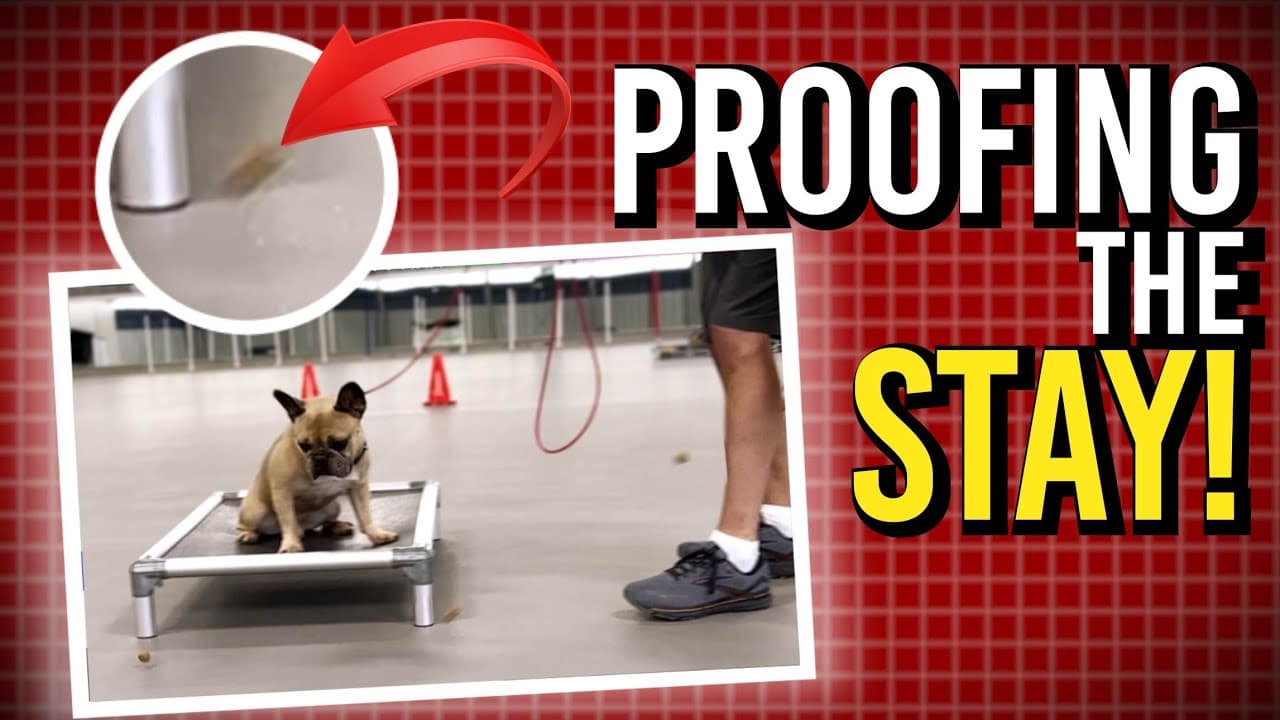
Training a dog around distractions involves teaching them to maintain focus and obey commands despite external stimuli. Using positive reinforcement and corrections, trainers can guide dogs to make choices between positive and negative outcomes, ensuring they understand the expectations. Consistent practice with varying levels of distractions helps dogs generalize their obedience skills.
Transcript
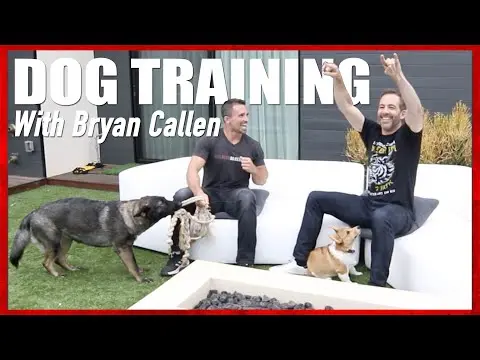
welcome back to another episode we are here today in kennwood Academy in Missouri working with Dave vanarin who's one of my very first mentors within the dog training industry I've learned so much from him and today he's going to be going over adding distractions into your dogs training routine which is one of the most important steps if you want t... Read More
Key Insights
- Training dogs with distractions is crucial for generalizing obedience skills.
- Positive reinforcement involves marking good behavior with rewards.
- Corrections help dogs understand undesirable actions and avoid them.
- Using soft, flat food as a distraction allows for better control.
- Leash pressure can guide dogs back to desired positions without corrections.
- Dogs learn to choose between two positives or two negatives in training.
- Gradually increasing distraction difficulty helps reinforce obedience.
- Understanding a dog's goals and behavior is key to effective training.
Install to Summarize YouTube Videos and Get Transcripts
Explore YouTube Video Summarizer or Get YouTube Transcript Extractor
Questions & Answers
Q: How to train a dog to obey commands around distractions?
Training a dog to obey commands around distractions involves using a combination of positive reinforcement and corrections. Start by teaching basic commands in a distraction-free environment. Gradually introduce distractions, such as food or toys, and use rewards to mark good behavior. If the dog makes a mistake, apply a correction to discourage the unwanted action. Consistent practice with varied distractions helps reinforce obedience.
Q: What are effective techniques for training dogs with distractions?
Effective techniques for training dogs with distractions include using positive reinforcement, such as marking good behavior with rewards, and applying corrections for mistakes. Soft, flat food can be used as a distraction to control the dog's response. Leash pressure helps guide the dog back to desired positions without using corrections. Gradually increasing the difficulty of distractions helps reinforce obedience skills.
Q: Why is it important to train dogs around distractions?
Training dogs around distractions is important because it helps them generalize obedience skills, ensuring they can maintain focus and follow commands in any environment. This type of training prepares dogs to handle real-world situations where distractions are inevitable, making them more reliable and well-behaved companions.
Q: What role does positive reinforcement play in distraction training?
Positive reinforcement plays a crucial role in distraction training by encouraging desired behaviors through rewards. When a dog successfully ignores a distraction and obeys a command, marking that behavior with a reward reinforces the action. This approach helps dogs associate good behavior with positive outcomes, increasing the likelihood of repetition.
Q: How do corrections help in training dogs with distractions?
Corrections help in training dogs with distractions by discouraging undesirable actions. When a dog makes a mistake, such as breaking a command to chase a distraction, applying a correction signals that the behavior is unwanted. This method helps dogs understand the consequences of their actions and encourages them to choose positive behaviors instead.
Q: What is the significance of using soft, flat food in distraction training?
Using soft, flat food in distraction training is significant because it allows for better control over the dog's response. Unlike round or rolling food, flat food stays in place when tossed, minimizing the risk of the dog chasing it. This setup enables trainers to effectively use food as a distraction while maintaining control over the training session.
Q: How does leash pressure aid in training dogs with distractions?
Leash pressure aids in training dogs with distractions by guiding them back to desired positions without using corrections. When a dog attempts to break a command to chase a distraction, applying gentle leash pressure prevents them from reaching it. This method reinforces the command and helps the dog understand the boundaries without the need for corrections.
Q: What are the benefits of gradually increasing distraction difficulty in training?
Gradually increasing distraction difficulty in training benefits dogs by reinforcing their obedience skills in various situations. Starting with simple distractions and progressively introducing more challenging ones helps dogs adapt and maintain focus. This approach ensures that dogs can handle real-world environments where distractions are unpredictable, making them more reliable companions.
Summary & Key Takeaways
-
Training dogs around distractions ensures they can maintain obedience regardless of the environment. The method involves using positive reinforcement, such as rewards, and corrections to guide the dog's behavior. By gradually introducing distractions, trainers help dogs make choices between positive outcomes, like getting a treat, and negative outcomes, such as corrections, to reinforce desired behaviors.
-
The training process begins by teaching basic commands, then introducing distractions like food or toys. Trainers use soft, flat food to control the dog's response, marking good behavior with rewards and correcting mistakes. Leash pressure can also guide the dog back to the correct position without using corrections, making it a versatile tool in training.
-
As dogs progress, distractions are increased in difficulty to reinforce obedience. Trainers must understand the dog's behavior and goals to effectively use this method. By consistently practicing with various distractions, dogs learn to generalize their obedience skills, making them well-behaved in any situation.
Read in Other Languages (beta)
Share This Summary 📚
Summarize YouTube Videos and Get Video Transcripts with 1-Click
Try YouTube Summary with ChatGPT & Claude or YouTube Transcript Generator
Explore More Summaries from Nate Schoemer 📚


Summarize YouTube Videos and Get Video Transcripts with 1-Click
Try YouTube Summary with ChatGPT & Claude or YouTube Transcript Generator