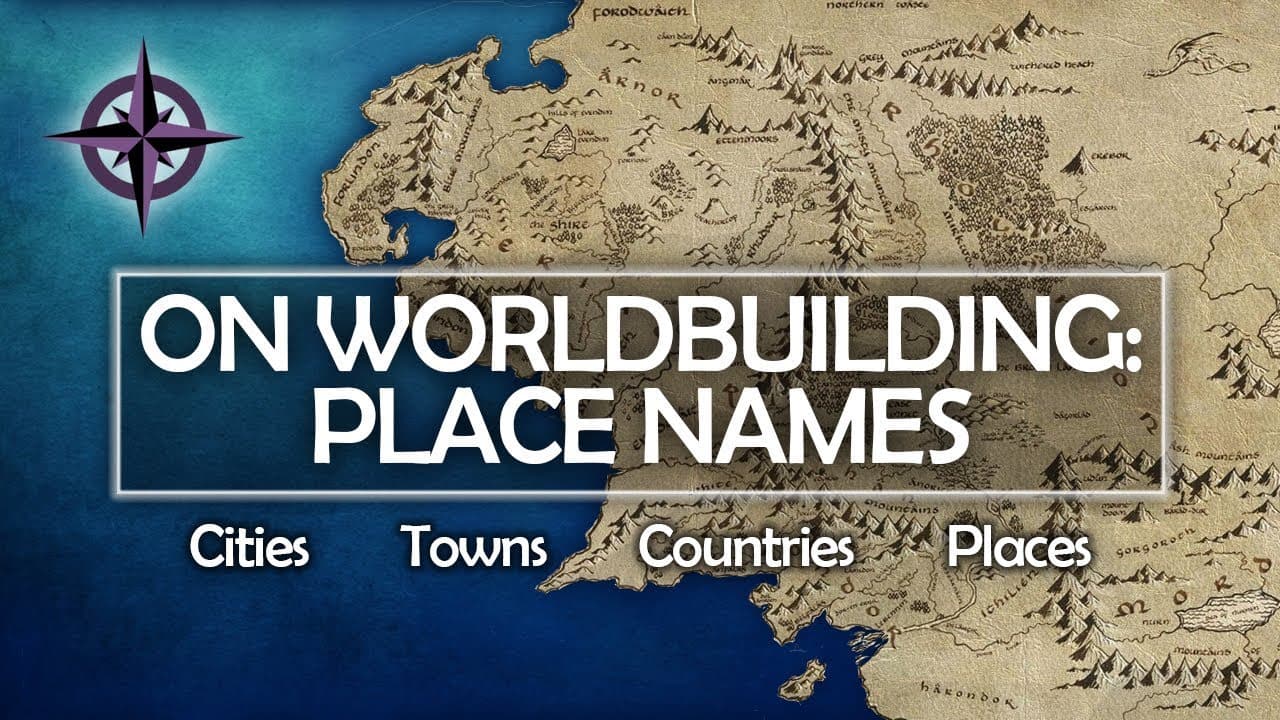
On Worldbuilding: Place Names — countries, cities, places
TL;DR
Place names convey information about the physical features of a location, its historical significance, and the culture of the people who inhabit it. They evolve over time due to language changes and power dynamics, reflecting the influence of different groups and their migration patterns.
Transcript
have you ever thought about how we called the planet we live on earth we called it dirt basically soil what we stand on but it got that name because it's descriptive it is what it is and it's probably all that humanity could agree on clearly coming up with place names be it planets cities continents countries is hard so we're going to go through ho... Read More
Key Insights
- 👯 Place names have three dimensions: they describe the physical features, signify historical events, and reflect the culture of the people who live there.
- 🖐️ Changes in place names occur naturally over time, with language evolution, simplification, conflation, and elaboration playing a role.
- ✊ Power dynamics determine the official name of a place, highlighting the influence of the ruling group and their cultural dominance.
- 🥺 Migration leads to the introduction of new linguistic traits and naming conventions, which can be seen in the diversity of place names in different regions.
- 👯 Place names serve as cultural markers, representing the values, history, and identity of the people who inhabit a particular area.
- 📛 Colonialism has shaped place names, often resulting in the adoption of exonyms and the erasure of indigenous names.
- 🙈 Maps and official records reflect the power dynamics and cultural perspectives of the time, as seen through the choice of place names.
Install to Summarize YouTube Videos and Get Transcripts
Explore YouTube Video Summarizer or Get YouTube Transcript Extractor
Questions & Answers
Q: How do place names evolve over time?
Place names can undergo language evolution, simplification, conflation, and elaboration. These processes reflect changes in the dominant language, the need for clarity in meaning, and the addition or modification of words to distinguish places with similar names.
Q: What role does power play in naming places?
Power dynamics influence place names, with the group in power determining the official name of a place. This can be seen through historical examples where conquerors or colonizers renamed cities and regions, imposing their own language and culture on the area.
Q: How do place names reflect migration patterns?
Migration leads to the introduction of new languages, cultural practices, and naming conventions. Place names can indicate the presence of different ethnic groups and their linguistic traits, highlighting the historical movement of people and their influence on the region.
Q: Why do some regions have multiple names for the same place?
Colonialism often results in the adoption of exonyms, names given by outsiders, alongside indigenous names, known as endonyms. The usage of different names reflects the power dynamics, politics, and respect for different cultural perspectives within the region.
Key Insights:
- Place names have three dimensions: they describe the physical features, signify historical events, and reflect the culture of the people who live there.
- Changes in place names occur naturally over time, with language evolution, simplification, conflation, and elaboration playing a role.
- Power dynamics determine the official name of a place, highlighting the influence of the ruling group and their cultural dominance.
- Migration leads to the introduction of new linguistic traits and naming conventions, which can be seen in the diversity of place names in different regions.
- Place names serve as cultural markers, representing the values, history, and identity of the people who inhabit a particular area.
- Colonialism has shaped place names, often resulting in the adoption of exonyms and the erasure of indigenous names.
- Maps and official records reflect the power dynamics and cultural perspectives of the time, as seen through the choice of place names.
- Place names are not static but evolve alongside historical, social, and linguistic changes, providing a window into the past and present of a location.
Summary & Key Takeaways
-
Place names are often based on natural or man-made landscape features, reflecting the descriptive nature of the language used.
-
Names can also indicate important historical events associated with the place, whether real or mythical, and the significance it holds for the local population.
-
Additionally, place names reveal insights about the culture and identity of the people who inhabit the region.
Read in Other Languages (beta)
Share This Summary 📚
Summarize YouTube Videos and Get Video Transcripts with 1-Click
Try YouTube Summary with ChatGPT & Claude or YouTube Transcript Generator
Explore More Summaries from Hello Future Me 📚
![On Worldbuilding: Religions [ polytheistic l Avatar TLA l Game of Thrones l Cthulhu ] thumbnail](/_next/image?url=https%3A%2F%2Fi.ytimg.com%2Fvi%2FWz2H1t5XvP8%2Fhqdefault.jpg&w=750&q=75)
![On Worldbuilding: How Class Systems Work [ Avatar | Dune | Tolkien | Feudalism ] thumbnail](/_next/image?url=https%3A%2F%2Fi.ytimg.com%2Fvi%2F8tjvul5e1y4%2Fhqdefault.jpg&w=750&q=75)
![On Worldbuilding: Fictional Histories [ Tolkien | Handmaid's Tale | Game of Thrones ] thumbnail](/_next/image?url=https%3A%2F%2Fi.ytimg.com%2Fvi%2FRbnzAJXW0Sw%2Fhqdefault.jpg&w=750&q=75)

![Korra's Worldbuilding: How did technology advance so quickly? [ Avatar: The Last Airbender ] thumbnail](/_next/image?url=https%3A%2F%2Fi.ytimg.com%2Fvi%2FNZkEcbsGaC0%2Fhqdefault.jpg&w=750&q=75)
Summarize YouTube Videos and Get Video Transcripts with 1-Click
Try YouTube Summary with ChatGPT & Claude or YouTube Transcript Generator