The AI Art Apocalypse
TL;DR
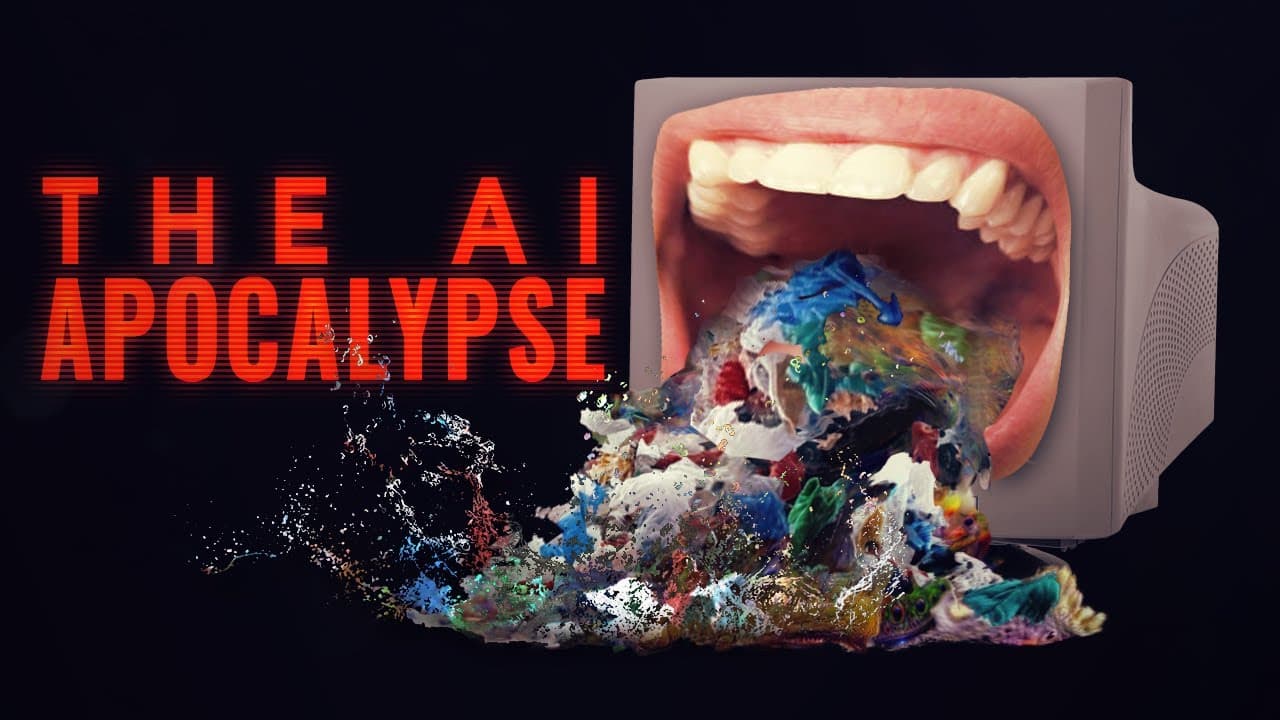
The use of AI in creating art raises ethical concerns related to exploitation of artists, copyright infringement, and whether AI-generated art should be considered derivative works.
Transcript
foreign [Applause] last December deviantART one of the largest and most established art sharing Platforms in the world announced it was going to create its own AI art generator called dream up Ai and would train this AI on all of the art uploaded to the site after significant backlash they backed down from this but the site has since been flooded w... Read More
Key Insights
- 🎨 The rise of AI-generated art and writing has sparked both excitement and concern within the creative community.
- 🖼️ AI art generators have faced backlash for using artists' work without permission or compensation, leading to issues of theft and copyright violation.
- 💻 AI art can be generated in various ways, such as from text prompts, image plus text prompts, or variations of existing artworks.
- 🚫 Some AI art programs have been built using stolen art, which has led to a saturation of fraudulent copies in the online marketplace.
- 🔐 Ethics and legal issues arise from the use of copyrighted data and the lack of consent in training AI art generators.
- 🔎 AI art training involves machine learning algorithms that analyze images and learn to generate new ones based on patterns and styles.
- 💯 AI art is not just about copying individual pieces, but about understanding and emulating colors, shapes, patterns, and artistic concepts.
- 🌍 The AI art movement raises questions about the nature of creativity, the role of artists, and the responsibility of AI developers in respecting copyright and ethical considerations.
Install to Summarize YouTube Videos and Get Transcripts
Explore YouTube Video Summarizer or Get YouTube Transcript Extractor
Questions & Answers
Q: How are AI art platforms training their AI models, and what are the legal and ethical implications?
AI art platforms train their AI models using large datasets of images and text descriptions, teaching the AI to recognize patterns and generate new images. This training process often involves scraping copyrighted material without permission. This raises legal and ethical concerns, as it allows for the exploitation of artists' work and the potential for copyright infringement. Additionally, the lack of filters and oversight in the training process can lead to the propagation of biases and the inclusion of non-consensual images.
Q: How are AI-generated art pieces different from derivative works created by humans?
While AI-generated art may bear similarities to existing artwork, it lacks the creativity and intentionality of human-generated derivative works. AI art does not have cognitive awareness, emotions, or the ability to be influenced or inspired by existing art in the same way that humans do. The process of AI art creation is focused on pattern recognition and replication, rather than interpretation and personal expression. As a result, AI art is often seen as lacking the artistic value and depth of human-created derivative works.
Q: What are the major ethical concerns raised by the use of AI in creating art?
The major ethical concerns raised by the use of AI in creating art include exploitation of artists, copyright infringement, and the devaluation of original artists' work. AI platforms often use artists' work without their consent or payment, enabling others to easily steal and claim ownership of the art. This not only harms artists financially but also undermines the value of their creative contributions. Additionally, the training process for AI art can lead to biases and the use of non-consensual images, raising privacy and consent issues.
Q: How can AI art be created in an ethical and legal manner?
To create AI art in an ethical and legal manner, AI platforms should obtain proper licenses for copyrighted material used in training their models. They should also seek explicit consent from artists whose work is included in their datasets. Additionally, AI platforms should implement filters and safeguards to prevent the use of non-consensual or copyrighted images. By respecting the rights and contributions of artists, AI art can be created in a way that is both ethical and legally sound.
Summary & Key Takeaways
-
AI-generated art has faced backlash for using artists' work without consent and enabling easy theft of artwork.
-
AI art can be generated in various ways, such as through text prompts, image and text prompts, and variations of existing images.
-
AI training involves machine learning, in which the AI learns to recognize patterns and generate images based on large datasets.
-
AI art raises copyright concerns, as it often uses copyrighted material without permission.
-
AI art also raises ethical issues related to biases, privacy, and the devaluation of original artists' work.
Read in Other Languages (beta)
Share This Summary 📚
Summarize YouTube Videos and Get Video Transcripts with 1-Click
Try YouTube Summary with ChatGPT & Claude or YouTube Transcript Generator
Explore More Summaries from Hello Future Me 📚
![On Worldbuilding: How Class Systems Work [ Avatar | Dune | Tolkien | Feudalism ] thumbnail](/_next/image?url=https%3A%2F%2Fi.ytimg.com%2Fvi%2F8tjvul5e1y4%2Fhqdefault.jpg&w=750&q=75)
![On Worldbuilding: Religions [ polytheistic l Avatar TLA l Game of Thrones l Cthulhu ] thumbnail](/_next/image?url=https%3A%2F%2Fi.ytimg.com%2Fvi%2FWz2H1t5XvP8%2Fhqdefault.jpg&w=750&q=75)
![Avatar: A Study in Worldbuilding - the Earth Kingdom [ The Last Airbender l Legend of Korra ] thumbnail](/_next/image?url=https%3A%2F%2Fi.ytimg.com%2Fvi%2FI-FNPuIM9jg%2Fhqdefault.jpg&w=750&q=75)
![On Worldbuilding: Fictional Histories [ Tolkien | Handmaid's Tale | Game of Thrones ] thumbnail](/_next/image?url=https%3A%2F%2Fi.ytimg.com%2Fvi%2FRbnzAJXW0Sw%2Fhqdefault.jpg&w=750&q=75)
Summarize YouTube Videos and Get Video Transcripts with 1-Click
Try YouTube Summary with ChatGPT & Claude or YouTube Transcript Generator