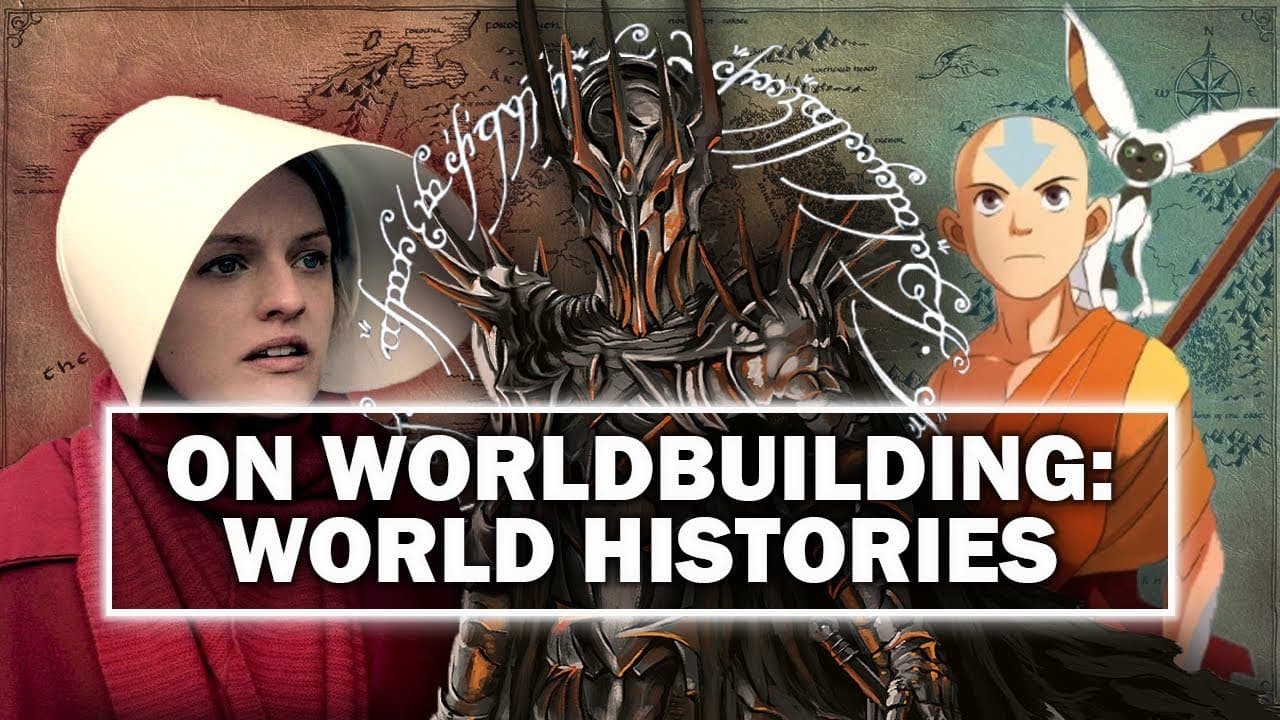
On Worldbuilding: Fictional Histories [ Tolkien | Handmaid's Tale | Game of Thrones ]
TL;DR
Creating a realistic world history for fiction involves understanding the complexity of history, using different perspectives, incorporating multiple causes and consequences, considering recording methods, biases, and passage of time, and developing historical narratives and myths.
Transcript
how many times do i need to say this history is complicated it's full of half-truths legends and way too many stories of zeus having affairs as animals our understanding of history comes from hundreds of oral records written records and now twitter and instagram speaking of which come follow me at these links down below that's where i answer the qu... Read More
Key Insights
- ❓ History is complex and filled with different perspectives, biases, and myths.
- 🤩 Building a realistic world history involves starting with anchors or key elements that the author cares about.
- ✖️ A multi-dimensional history considers politics, culture, technology, economy, geography, and religion from different perspectives.
- ⌛ Historical records can be influenced by the level of technology, biases, and the passage of time.
- 💠 Historical narratives and myths arise from historical events and shape character motivations.
- 🌍 Creating a fictional world history can be facilitated by using tools like World Anvil and following a step-by-step process.
- 🌍 Multiple causes and consequences for each event create a more realistic and dynamic world history.
Install to Summarize YouTube Videos and Get Transcripts
Explore YouTube Video Summarizer or Get YouTube Transcript Extractor
Questions & Answers
Q: Should an author start with the story and then develop the world history, or vice versa?
It depends on the author's preferences and style. Some, like Tolkien, start with the world history, while others, like Margaret Atwood, start with the story and build the world history around it. Both approaches have their merits.
Q: How can an author ensure that their world building supports the narrative and doesn't feel forced?
By identifying anchors or key elements that they care about and building the world history outwards from there. This ensures a cohesive and realistic world that is grounded in the reader's experience.
Q: How can an author avoid creating a one-dimensional history in their world building?
By considering multiple causes and consequences for each major event in politics, culture, technology, economy, geography, and religion. This creates a multi-dimensional history that reflects the complexity of real-world history.
Q: How can an author ensure that historical records in their fictional world are realistic and believable?
By considering factors such as the level of technology recording the history, the biases of those recording it, and the passage of time. Adjusting the records accordingly will reflect the level of detail and accuracy present in the historical records.
Key Insights:
- History is complex and filled with different perspectives, biases, and myths.
- Building a realistic world history involves starting with anchors or key elements that the author cares about.
- A multi-dimensional history considers politics, culture, technology, economy, geography, and religion from different perspectives.
- Historical records can be influenced by the level of technology, biases, and the passage of time.
- Historical narratives and myths arise from historical events and shape character motivations.
- Creating a fictional world history can be facilitated by using tools like World Anvil and following a step-by-step process.
- Multiple causes and consequences for each event create a more realistic and dynamic world history.
- Understanding the complexity of history and avoiding one-dimensional histories are essential in world building.
Summary & Key Takeaways
-
History is complex and filled with half-truths, legends, and different perspectives.
-
Two approaches to building a world history are starting with the story and reverse engineering history, or starting with world history before developing the story.
-
An effective method is to identify anchors or key elements and build outwards from them.
-
Building a multi-dimensional history involves considering politics, culture, technology, economy, geography, and religion, and how different regions perceive timelines differently.
Read in Other Languages (beta)
Share This Summary 📚
Summarize YouTube Videos and Get Video Transcripts with 1-Click
Try YouTube Summary with ChatGPT & Claude or YouTube Transcript Generator
Explore More Summaries from Hello Future Me 📚
![On Worldbuilding: How Class Systems Work [ Avatar | Dune | Tolkien | Feudalism ] thumbnail](/_next/image?url=https%3A%2F%2Fi.ytimg.com%2Fvi%2F8tjvul5e1y4%2Fhqdefault.jpg&w=750&q=75)


![Avatar: A Study in Worldbuilding - the Earth Kingdom [ The Last Airbender l Legend of Korra ] thumbnail](/_next/image?url=https%3A%2F%2Fi.ytimg.com%2Fvi%2FI-FNPuIM9jg%2Fhqdefault.jpg&w=750&q=75)

![On Worldbuilding: Religions [ polytheistic l Avatar TLA l Game of Thrones l Cthulhu ] thumbnail](/_next/image?url=https%3A%2F%2Fi.ytimg.com%2Fvi%2FWz2H1t5XvP8%2Fhqdefault.jpg&w=750&q=75)
Summarize YouTube Videos and Get Video Transcripts with 1-Click
Try YouTube Summary with ChatGPT & Claude or YouTube Transcript Generator